

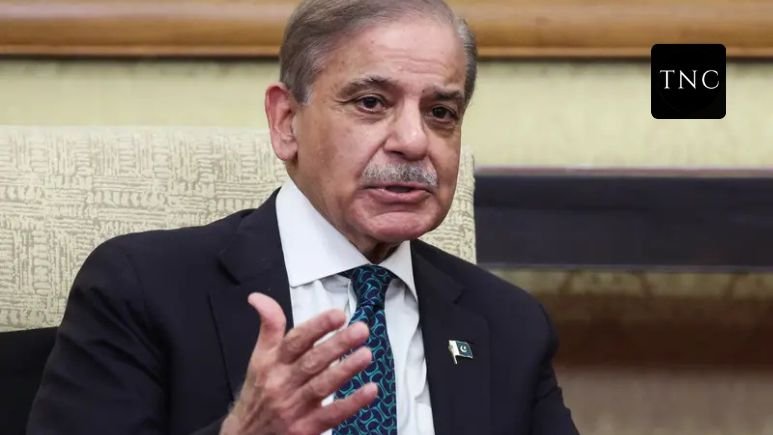

The message went live at 2:17 a.m.
For a few fleeting minutes, Pakistan’s Prime Minister Shehbaz Sharif appeared to announce a breakthrough and an end, or at least a pause, to one of the most volatile confrontations in the Middle East. Then came the detail that set off alarms: a single word embedded in the post “Draft.”
Diplomats in Washington refreshed their feeds. Analysts in Tehran paused mid-briefing. In Islamabad, aides scrambled to edit the post. But the damage or revelation was already done. Behind the digital slip was something far more consequential: a fragile ceasefire, a back channel negotiation, and a city Islamabad suddenly thrust into the center of global diplomacy.
The episode underscores a pivotal moment in geopolitics. Pakistan has emerged as an unlikely broker between the United States and Iran, hosting high-stakes talks following a two-week ceasefire agreement. Iran has now confirmed its participation in negotiations with the U.S. in Islamabad, signaling a rare opening for dialogue after weeks of escalating conflict.
This isn’t just another diplomatic meeting. It is a test of whether middle powers like Pakistan can reshape global conflict resolution and whether adversaries like Washington and Tehran are ready to step back from the brink.
The ceasefire itself is both urgent and fragile.
After weeks of military escalation including threats of direct strikes and disruptions to the Strait of Hormuz the U.S. and Iran agreed to a temporary halt in hostilities. The pause, reportedly lasting two weeks, was brokered with significant involvement from Pakistan, which leveraged its relationships across the region to bring both sides to the table.
Islamabad’s role is not accidental. For months, Pakistan has positioned itself as a neutral intermediary maintaining ties with Washington while engaging Tehran through diplomatic channels. Analysts describe this as “strategic balancing”: avoiding military entanglement while maximizing diplomatic relevance.
Now, the stakes are higher.
The upcoming talks in Islamabad are expected to address deeper structural issues: sanctions, regional security, and control over critical trade routes like the Strait of Hormuz. Iran has reportedly entered negotiations with a structured proposal, signaling that this is not merely symbolic diplomacy but a potential pathway to a broader agreement.
But the risks are just as real.
The ceasefire remains temporary. Military tensions have not fully dissipated. And even the accidental “draft” tweet reveals how tightly controlled and precarious the messaging around these talks is. One misstep, one premature announcement, can ripple across global markets and military calculations within minutes.
Pakistan, meanwhile, is walking a diplomatic tightrope. Success could elevate its global standing as a peace broker. Failure could expose the limits of its influence in a conflict shaped by superpower rivalry and regional volatility.
In the quiet corridors of Islamabad, a new chapter of diplomacy is being tested.
A ceasefire can pause a war. A meeting can open a door. But neither guarantees peace.
The real question is not whether the U.S. and Iran will sit at the same table, it’s whether they are finally ready to leave it with something more than another temporary truce.
Also Read / The Midnight Broker: How Pakistan Tried to Stop a War With a Phone Call and a Ceasefire Plan.











Leave a comment