

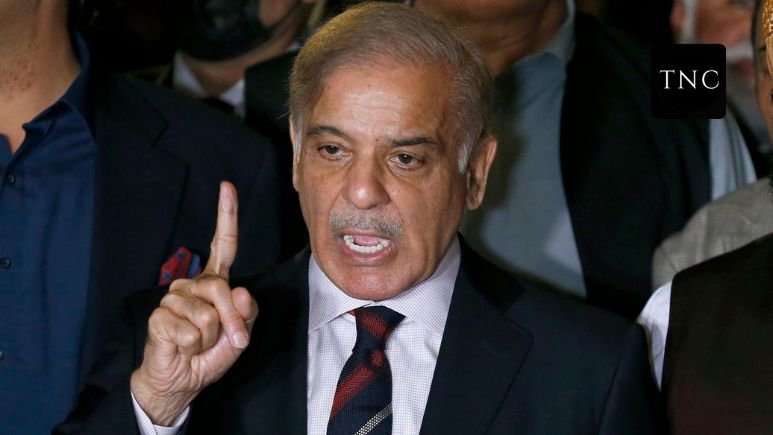

The calls began after midnight.
Inside a secure office in Rawalpindi, Pakistan’s army chief, General Asim Munir, leaned over a desk scattered with briefing papers and satellite maps. Phones lit up in intervals Washington, Tehran, then back again. Aides moved quietly, refilling tea that had long gone cold.
On one line: a senior U.S. official. On another: Iran’s foreign minister.
Outside, the Strait of Hormuz through which nearly a fifth of the world’s oil flows remained choked by tension, its shipping lanes a bargaining chip in a war that had already killed thousands.
By dawn, a proposal had crossed continents.
And the world, briefly, held its breath.
What unfolded overnight wasn’t just another diplomatic exchange; it was a high-stakes attempt by Pakistan to position itself as the unlikely broker of peace in a rapidly escalating U.S.–Iran conflict. Reports indicate that Islamabad quietly delivered a two-phase ceasefire plan to both sides, while Munir maintained continuous contact with key leaders to push it forward.
At stake is more than a regional truce. The proposal dubbed informally as the “Islamabad Accord” aims to halt hostilities, reopen the Strait of Hormuz, and stabilize global oil markets rattled by weeks of conflict.
If it works, it could reshape power dynamics in West Asia. If it fails, the consequences will ripple far beyond it.
Pakistan’s intervention is not accidental, it is strategic.
First, the structure of the deal reveals urgency. The plan reportedly proposes an immediate ceasefire followed by long-term negotiations, a classic diplomatic sequencing designed to stop the bleeding before solving the disease.
Recent reporting suggests even a 45-day truce is on the table, meant to create breathing room for deeper talks.
Second, geography explains the pressure. The Strait of Hormuz is not just a waterway; it is the artery of global energy. With Iran restricting passage and the U.S. threatening escalation, oil prices have surged and supply chains have begun to wobble.
That economic shock has turned a regional war into a global emergency.
Third, Pakistan’s role reflects a calculated balancing act. Historically aligned with Gulf states but maintaining ties with Iran, Islamabad is uniquely positioned to talk to both sides without being dismissed outright. Analysts describe this posture as “limited alignment without military entanglement” a diplomatic tightrope that allows influence without direct exposure.
But mediation comes with risk. Iran has already signaled resistance, refusing to reopen the Strait under temporary terms and pushing back against U.S. deadlines.
Meanwhile, Washington’s rhetoric threatening severe consequences if the waterway remains closed raises the stakes of failure.
This is diplomacy under pressure, where every hour without agreement increases the cost of compromise.
In the quiet hours before sunrise, one country tried to pause a war that markets, militaries, and millions of civilians can no longer afford.
The proposal on the table is fragile. It may not hold. But it reveals something deeper: in a conflict driven by power, geography, and النفط, the most decisive battles may now be fought not with missiles but with midnight phone calls.
And sometimes, peace depends on who stays awake the longest.
Also Read / The Bridge Between Beijing and Washington: Pakistan’s Dangerous Bet on China’s Peace Push.











Leave a comment