

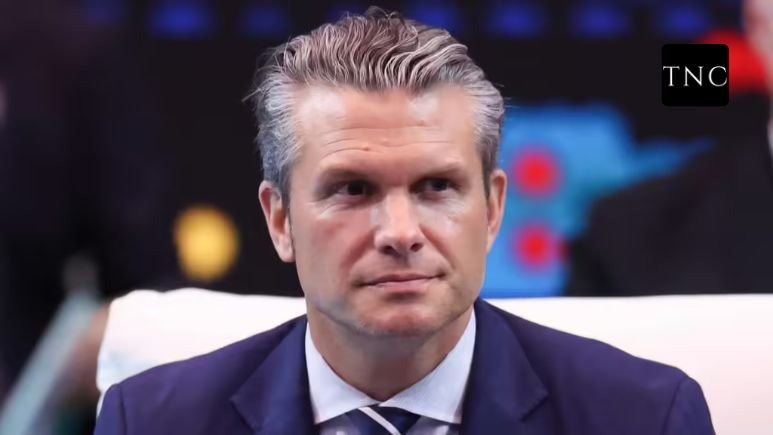

A Morgan Stanley broker acting on behalf of the U.S. Defense Secretary Pete Hegseth explored a multimillion-dollar investment in a defense-focused fund in the weeks immediately preceding the U.S.-Israeli military campaign against Iran, the Financial Times reported Monday, setting off a sharp denial from the Pentagon and reigniting debate over insider trading risks at the highest levels of government.
The Investment That Did Not Happen
The broker contacted BlackRock in February about making a multimillion-dollar investment in its iShares Defense Industrials Active ETF. The investment ultimately did not go ahead.
The Financial Times cited three people familiar with the incident, who claimed the inquiry arrived on behalf of a “high-profile potential client” and was “flagged internally at BlackRock.” The iShares Defense Industrials Active ETF, formally known as IDEF and launched by BlackRock in May 2025, invests primarily in global defense, aerospace, and security-related companies. The fund’s holdings include companies such as RTX, Lockheed Martin, and Northrop Grumman all among the largest beneficiaries of elevated U.S. defense spending.
The investment did not go ahead because the fund was not yet available for Morgan Stanley clients to buy at the time. The report did not say how much discretion the broker had to make investments on Hegseth’s behalf, or whether Hegseth knew what the broker was doing.
Pentagon Fires Back
The Defense Department’s response was immediate and unequivocal. Pentagon spokesman Sean Parnell demanded an “immediate” retraction, calling the allegations “entirely false and fabricated” and describing the report as “yet another baseless, dishonest smear designed to mislead the public.” He stated that neither Secretary Hegseth nor any of his representatives had approached BlackRock about any such investment, and that Hegseth and his department “remain unwavering in their commitment to the highest standards of ethics and strict adherence to all applicable laws and regulations.”
The Financial Times did not back down. An FT spokesperson stated, “We stand by our reporting and have included a Pentagon spokesperson’s response in the article.” BlackRock declined to comment. Morgan Stanley did not respond to inquiries from multiple news organisations.
Hegseth’s Role in Pushing for War
The report is particularly sensitive given Hegseth’s documented advocacy for the military campaign. On March 23, President Trump publicly credited Hegseth as the first member of his administration to advocate for action against Iran, saying, “Pete, I think you were the first one to speak up. And you said, ‘Let’s do it, because you can’t let them have a nuclear weapon.'”
As the cabinet official most directly responsible for executing the Iran campaign, any suggestion that Hegseth or his financial representatives positioned themselves to profit from foreknowledge of the war carries significant legal and political implications, even if the investment did not ultimately proceed.
A Broader Pattern of Scrutiny
The allegations do not exist in isolation. The report comes amid broader scrutiny of trades made in financial and prediction markets ahead of major policy decisions by the Trump administration. Some of those decisions have been preceded by well-timed bets, prompting experts to raise questions about whether market-sensitive information may have been circulating ahead of key announcements.
Hegseth reportedly earned $4.6 million over two years at Fox News and an additional $1 million in speaking engagements prior to his appointment. His personal wealth, and the management of it, has drawn renewed attention now that he sits at the apex of America’s military decision-making during a live conflict.
The Market Reality
There is an irony embedded in the episode. While the iShares Defense Industrials Active ETF has risen more than 25 percent over the past year, it has fallen nearly 13 percent since the U.S. and Israel launched strikes on Iran on February 28. Had the investment gone ahead, it would not have been profitable over the course of the war, a fact the Pentagon has also noted in its pushback against the story.
Whether the investment attempt constitutes an ethics violation, a legal breach, or simply a poorly timed inquiry by a private broker acting without instruction, is a question that congressional oversight committees and federal ethics watchdogs are now likely to examine closely particularly as the administration faces mounting pressure to account for who knew what, and when, in the days before the first strikes on Tehran.
Also Read / “He Means Business”: Hegseth Issues Chilling Nuclear Warning to Tehran












Leave a comment