

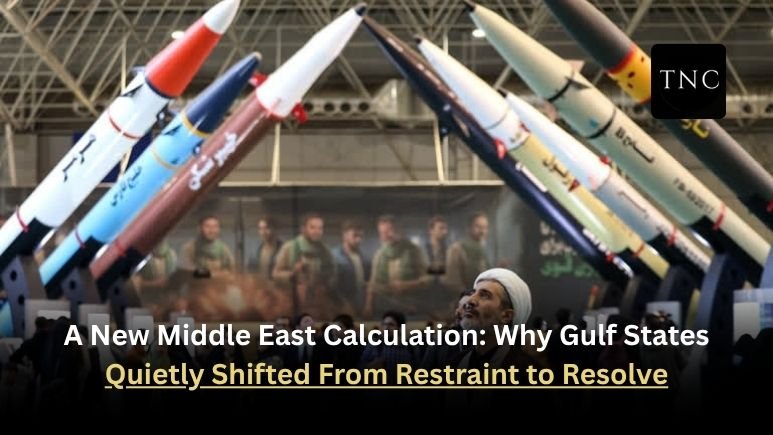

The refinery lights outside Dammam burned through the night, but the control room had gone quiet.
A Saudi engineer, two decades into the job, stared at a radar screen pulsing with alerts: drones intercepted, missiles diverted, another near miss on critical infrastructure. His phone buzzed with a message from his brother in Riyadh: “Are we safe?”
He didn’t respond immediately. Instead, he refreshed the feed. Another warning. Another interception.
Weeks earlier, he had dismissed talk of a regional war as political theater. Now, he watched it inch closer measured not in speeches, but in seconds between incoming threats.
This is the pivot reshaping the Gulf: countries like Saudi Arabia and the United Arab Emirates, which initially warned against war with Iran, are now quietly backing continued military pressure. The reason is stark. What began as a distant conflict has turned into a direct threat of missiles, drones, and disrupted oil routes hitting their doorstep.
The shift answers a central question: why have Gulf states moved from caution to conditional support for escalation? Because the cost of inaction, they now believe, could be far higher than the risks of confrontation.
At the start, the Gulf states played it safe.
They lobbied Washington to avoid war. Their economies depend on stability, oil flows, shipping lanes, and investor confidence. A conflict with Iran risked all three.
But Iran changed the equation.
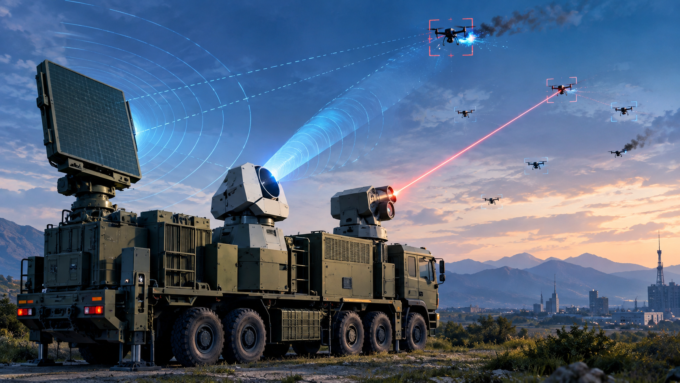
In just weeks, Tehran launched missile and drone attacks across the region, targeting Saudi Arabia, the UAE, and other Gulf nations. That wasn’t symbolic retaliation. It was a demonstration of reach.
And it worked just not in the way Iran intended.
Instead of pushing Gulf states away from the conflict, the attacks pulled them closer to the U.S.-led effort. Leaders who once feared escalation began to fear something else: a future where Iran’s military capabilities remain intact and emboldened.
That’s the “one thing” now driving policy, a decisive weakening of Iran’s ability to strike the region again.
There’s also geography. The Strait of Hormuz through which roughly a fifth of the world’s oil passes has become a choke point under threat. Shipping disruptions and tanker attacks have already slowed global energy flows.
For Gulf economies, this isn’t abstract geopolitics. It’s an existential risk.
Recent developments underline the urgency:
- Iran has struck energy infrastructure and military sites across the Gulf.
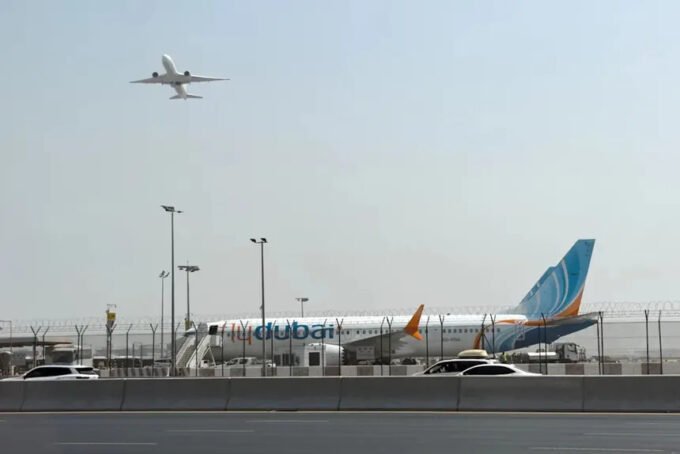
- Oil shipments have been rerouted or halted amid attacks and instability.
- Diplomatic ties are fraying again, with expulsions and escalating warnings.
Even countries that still prefer diplomacy, like Oman, are increasingly isolated voices.
The Gulf’s strategy now is careful but firm. Publicly, many still call for de-escalation. Privately, they are signaling something else: finish the job, but don’t drag us into it directly.
It’s a balancing act supported without exposure.
The Gulf didn’t choose this war. But after feeling its impact firsthand, it has chosen a side quietly, cautiously, and with a single objective:
Make sure the next missile never gets launched.









Leave a comment