

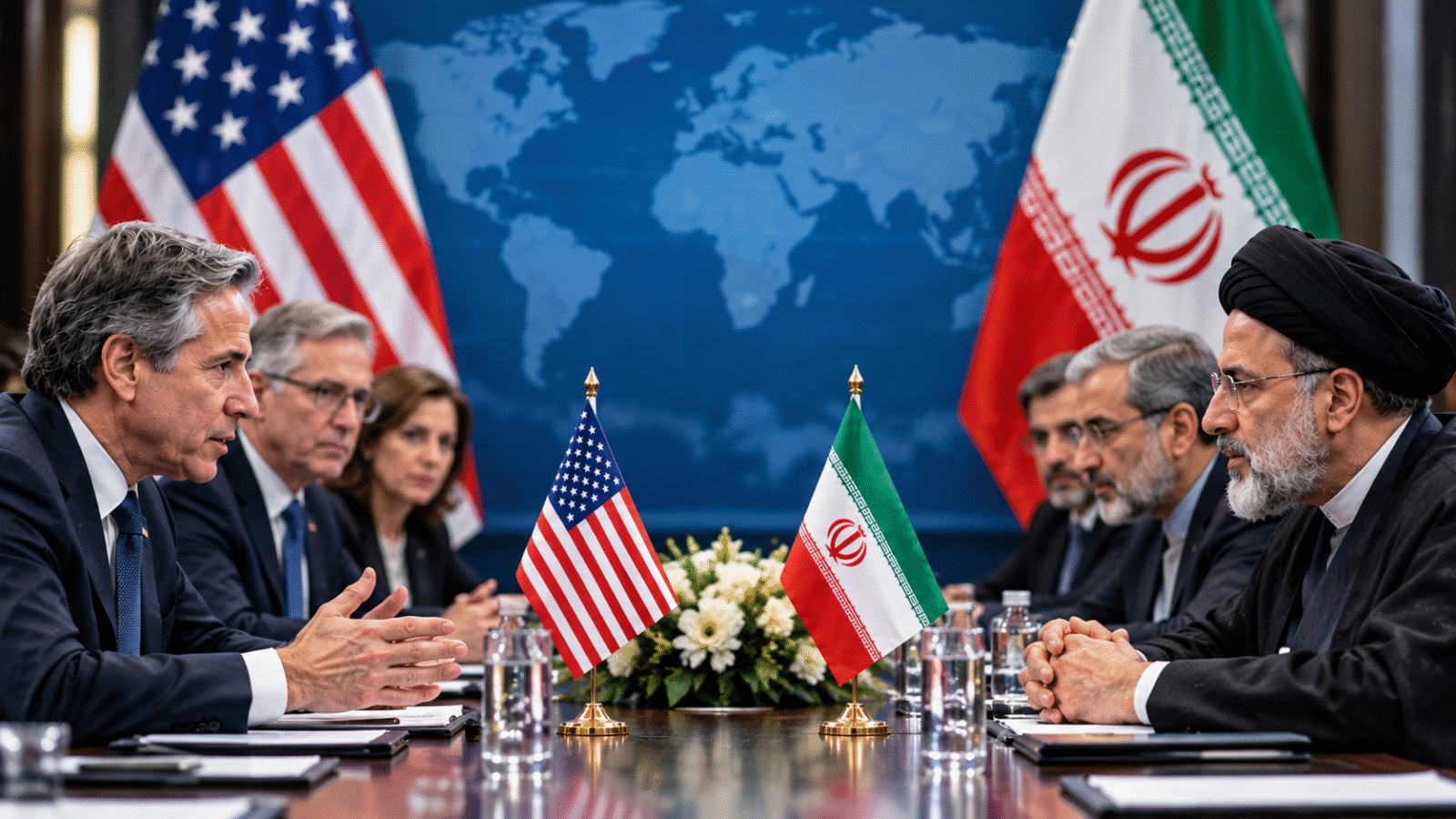

The US and Iran Continue Diplomatic Talks as both countries seek ways to reduce tensions and address long-standing disputes over regional security, nuclear issues, and economic sanctions. While significant differences remain, diplomats from both sides have continued discussions with support from international mediators.
The renewed engagement comes at a time when the Middle East remains one of the world’s most strategically important regions. Governments, financial markets, and energy companies are closely watching the negotiations because any breakthrough—or setback—could influence global stability and oil prices.
Although no final agreement has been reached, officials have described continued dialogue as an important step toward avoiding further escalation.
Diplomatic Talks Continue Despite Challenges
Negotiations between the United States and Iran have continued through multiple diplomatic channels.
Representatives have discussed several sensitive issues, including sanctions, regional security, nuclear commitments, and confidence-building measures. International mediators have encouraged both countries to maintain open communication and avoid actions that could increase tensions.
Officials from both sides have acknowledged that progress will require patience and compromise.
Several rounds of discussions have already been held, and additional meetings are expected in the coming weeks.
Nuclear Program Remains a Key Issue
Iran’s nuclear program remains one of the central topics in the ongoing diplomatic discussions.
The United States has repeatedly emphasized the importance of ensuring that Iran’s nuclear activities remain peaceful and comply with international commitments.
Iran, meanwhile, has continued to call for sanctions relief and recognition of its rights under international agreements.
Experts believe that resolving differences over the nuclear program will be essential for achieving broader diplomatic progress.
Regional Security Is Also Under Discussion
Beyond nuclear concerns, regional security has become another major focus of the negotiations.
The Middle East has experienced several periods of instability in recent years, affecting neighboring countries, shipping routes, and international energy markets.
Diplomatic efforts are aimed at reducing misunderstandings and encouraging peaceful dialogue between regional actors.
Security experts believe sustained communication can lower the risk of unintended conflict.
Global Markets Closely Monitor Developments
Financial markets often respond quickly to geopolitical developments involving the United States and Iran.
Investors continue monitoring every official statement because diplomatic progress may influence oil prices, currency markets, and investor confidence.
Periods of uncertainty generally increase market volatility, while positive diplomatic signals often improve market sentiment.
Energy companies are particularly sensitive to developments in the region due to the Middle East’s importance in global oil production.
Impact on Energy Security
Energy security remains one of the biggest international concerns linked to the negotiations.
The Middle East supplies a significant share of the world’s crude oil and natural gas. Any disruption in regional stability can affect international energy markets.
Countries that rely heavily on imported energy continue monitoring developments carefully.
Governments have also strengthened efforts to diversify energy sources and improve long-term energy security.
International Community Supports Dialogue
Several countries have welcomed the continuation of diplomatic talks.
International organizations have repeatedly encouraged peaceful negotiations as the most effective way to resolve disputes.
Many global leaders believe diplomacy offers the best opportunity to reduce tensions while protecting regional stability.
Constructive engagement has been supported by numerous international partners seeking lasting peace.
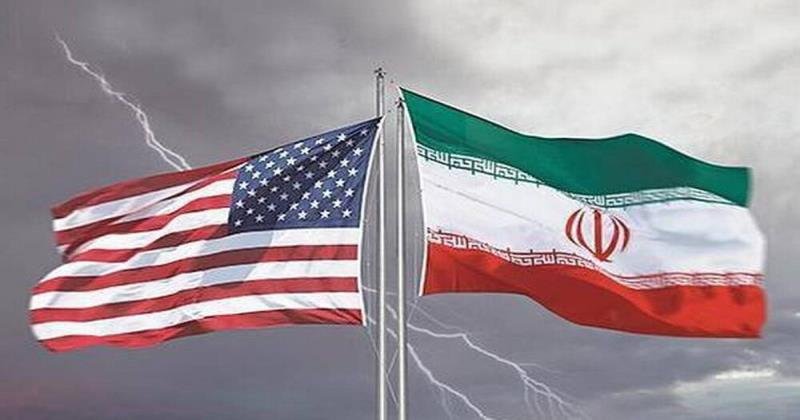
Sanctions Remain an Important Topic
Economic sanctions continue to play a major role in the negotiations.
Iran has called for relief from sanctions that have affected its economy for several years.
The United States has maintained that sanctions are linked to broader security concerns and compliance with international obligations.
Finding common ground on this issue remains one of the most difficult parts of the ongoing discussions.
Businesses Watch Negotiations Carefully
International businesses are also paying close attention to diplomatic developments.
Companies involved in energy, shipping, manufacturing, aviation, and finance may be affected by changes in regional stability.
Business leaders generally prefer predictable international conditions that support long-term investment and global trade.
Market analysts believe successful diplomacy could improve business confidence worldwide.
Oil Prices Could Respond to Progress
Crude oil prices frequently react to developments involving the United States and Iran.
Positive diplomatic signals may reduce concerns about supply disruptions, while renewed tensions often create uncertainty in energy markets.
Countries that import large quantities of oil closely monitor negotiations because fuel prices affect transportation, manufacturing, and inflation.
Consumers may also experience indirect effects if energy prices change significantly.
Challenges Still Remain
Although diplomatic discussions continue, several complex issues remain unresolved.
Both governments continue to hold different positions on sanctions, regional security, and nuclear commitments.
Experts caution that negotiations involving multiple sensitive topics often require considerable time before meaningful agreements can be finalized.
Continued dialogue, however, is widely viewed as a positive sign.
Hope for a Peaceful Resolution
Diplomats from various countries continue encouraging both sides to maintain open communication.
Confidence-building measures, transparency, and regular discussions may help reduce misunderstandings in the future.
Many observers believe sustained diplomacy can create opportunities for broader cooperation if sufficient progress is achieved.
The international community remains hopeful that negotiations will continue peacefully.
What Happens Next?
Further rounds of diplomatic discussions are expected as negotiators continue working toward possible agreements.
Officials have indicated that future meetings will focus on narrowing differences while exploring practical solutions.
Governments, investors, and international organizations will continue following developments closely.
The outcome of these talks could influence regional security, global energy markets, and international diplomatic relations for years to come.
Conclusion
The US and Iran Continue Diplomatic Talks at a critical time for regional and global stability. While important challenges remain unresolved, the continuation of dialogue reflects a shared recognition that diplomacy remains the most effective path toward reducing tensions.
The negotiations are being watched closely by governments, businesses, and financial markets worldwide. Any meaningful progress could improve regional security, strengthen energy market confidence, and reduce geopolitical uncertainty. Although a comprehensive agreement may take time, continued diplomatic engagement offers hope for a more stable and predictable future.
Read Also | US-Iran Tensions Continue to Shake Global Markets and Energy Security











Leave a comment