

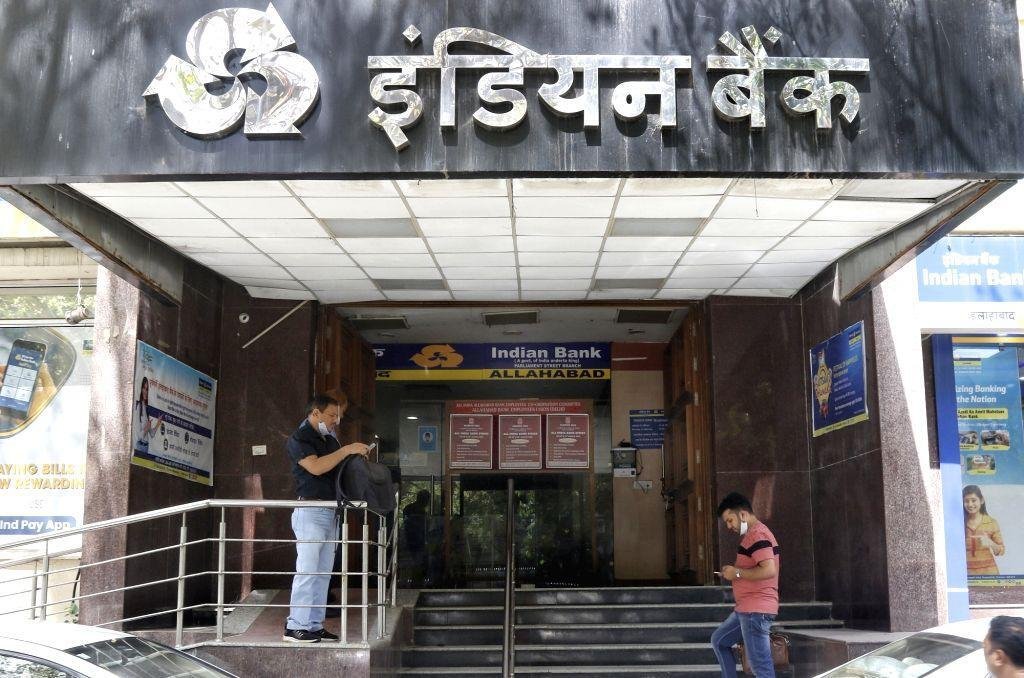

New Delhi: Customers will get an unusual opportunity to visit bank branches on Sunday, September 27, 2026, as public sector banks and Regional Rural Banks (RRBs) have been directed to operate normally ahead of a proposed three-day nationwide bank strike from September 28 to 30. The move is aimed at reducing disruption for customers after the strike was retained by bank employee unions despite government and bank-management appeals for a settlement.
The timing is particularly important because September 26 is the fourth Saturday, when banks are normally closed, followed by Sunday on September 27. With the three strike days immediately after the weekend, customers could otherwise face an extended period without normal branch services. The Finance Ministry has said that the Sunday opening is intended to prevent an effective five-day disruption in banking services.
Why Will Banks Open on Sunday?
The government has taken the step mainly to protect customers from a long interruption in branch-based banking.
According to the Finance Ministry, public sector banks and Regional Rural Banks will function normally on September 27. The Reserve Bank of India has also approved the operation of bank branches, offices, ATM-linked branches and currency chests on that Sunday.
The move comes just days before the proposed three-day strike. It gives customers an additional working day to complete transactions that may require a branch visit, including certain documentation, account-related work and other services that are not always available through digital channels.
The decision is also important because September 30 is the half-yearly closing date for banks, making the strike period particularly sensitive for banking operations, reconciliation and financial reporting.
When Is the Bank Strike?
The United Forum of Bank Unions (UFBU) and associated unions have maintained their call for a nationwide strike from:
September 28, 2026 – Strike Day 1
September 29, 2026 – Strike Day 2
September 30, 2026 – Strike Day 3
The proposed action follows a one-day nationwide strike held on September 11. The unions have also announced an indefinite strike from October 26 if their remaining demand is not resolved.
As of September 23, the three-day September strike remains the unions’ stated plan. Talks have not produced a settlement on their central demand.
What Are Bank Employees Demanding?
The main demand behind the current strike is the implementation of a five-day banking week.
At present, banks remain closed on Sundays and on the second and fourth Saturdays. Bank unions want all Saturdays to become holidays, creating a five-day working week similar to the system followed by many other sectors.
The unions had also demanded withdrawal of the Performance Linked Incentive (PLI) scheme. The government has decided to keep that scheme in abeyance, which it considers resolution of one of the two major issues raised by the unions.Other union demands include improvements relating to pension, a uniform dearness allowance formula for pensioners and an option for some employees covered under the National Pension System to move to the old pension scheme.
Why Are Unions Still Going Ahead?
Despite discussions between the unions, the Indian Banks’ Association (IBA), the Department of Financial Services and bank managements, the five-day workweek demand has not been accepted.
A conciliation meeting was held on September 22, but the UFBU said there had been no sufficient progress and decided to maintain the September 28–30 strike. The IBA and government representatives have said the five-day banking issue is still under consideration and urged unions to defer the action.
The unions, however, have said they intend to proceed with the three-day strike.
This means the situation could still change if a settlement is reached, but the current position is that the strike is planned to continue.
What Could Customers Experience?
The biggest expected impact is on branch-based services.
Customers who need in-person banking services may experience delays or temporary closures from September 28 to 30 if employees participate in the strike. Banks have therefore advised customers to complete important work before the strike dates.
Services such as routine branch transactions, certain account requests, cheque-related work and other activities requiring staff assistance could be affected.
The impact may be different across banks and locations depending on employee participation and contingency arrangements.
Will UPI, ATMs and Internet Banking Work?
Digital banking channels are expected to remain an important alternative during the strike.
Several public sector banks have advised customers to use ATMs, mobile banking, internet banking, UPI and Business Correspondent points for routine requirements. SBI and other banks have asked customers to finish important branch-related transactions in advance.
However, customers should not assume that every banking service will operate exactly as normal.
Digital payment systems can continue to process transactions, but services requiring bank staff or physical document processing could still face delays. Customers with urgent work should therefore plan ahead rather than depending entirely on digital channels.
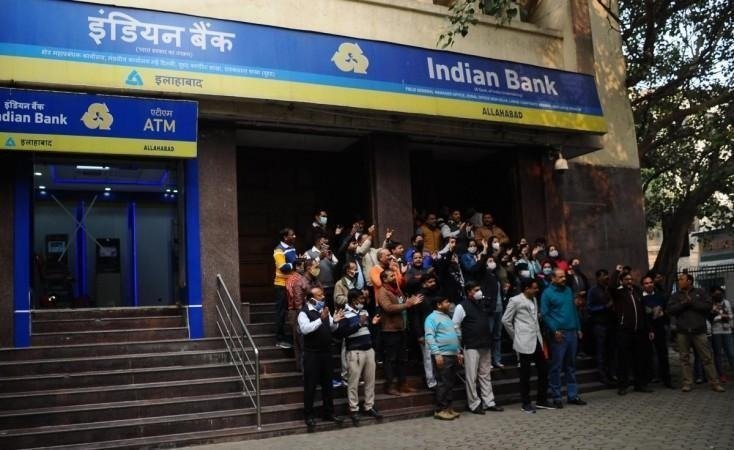
SBI and Other Banks Issue Advisories
State Bank of India and other public sector lenders have issued customer advisories ahead of the strike.
SBI has encouraged customers to complete important transactions before September 28 and use alternative channels such as ATMs, Advanced Deposit and Withdrawal Machines, Customer Service Points and digital banking facilities.
Punjab National Bank has also advised customers to complete urgent branch-dependent work before the strike period.
These advisories show that banks are preparing for possible disruption even while efforts continue to minimise its effect on customers.
Why September 30 Is Especially Important
The third day of the strike falls on September 30, the half-yearly closing date for banks.
The Finance Ministry has specifically highlighted the significance of the date because banking institutions have to complete important reconciliation, provisioning, treasury and market-related operations around the half-year closing.
A disruption during this period could therefore create additional operational pressure for banks and businesses.
The combination of the fourth Saturday, Sunday and three strike days is the reason officials have described the situation as potentially creating an effective five-day closure of normal branch services.
Government Appeals to Employees
The Finance Ministry has urged bank employees to avoid the strike and continue discussions.
In an official statement, the ministry said many employee concerns had already been addressed, while the five-day banking demand remained under examination. It also pointed to measures involving salaries, recruitment, promotions, welfare and pension-related benefits.
The government has asked unions to resolve the remaining differences through dialogue and help maintain uninterrupted banking services.
Bank managements, including Bank of India, Punjab National Bank and Bank of Baroda, have also appealed to employees not to participate in the strike.
What Should Customers Do Before September 28?
Customers with important branch work should not wait until the last moment.
September 27 provides an additional banking day for public sector bank and RRB customers. However, it is still sensible to complete urgent work before the weekend where possible.
People who need cash can use ATMs, while routine payments can generally be handled through internet banking, mobile banking and UPI. Customers should also check individual bank advisories for service-specific information.
Businesses should pay particular attention to cheque processing, settlements and other transactions linked to the half-year closing.
Bank Strike 2026: Key Dates at a Glance
| Date | Status |
| September 26 | Fourth Saturday – normal bank holiday |
| September 27 | Public sector banks and RRBs to remain open |
| September 28 | Proposed nationwide strike |
| September 29 | Proposed nationwide strike |
| September 30 | Proposed nationwide strike + half-yearly closing |
| October 26 | Indefinite strike proposed if issues remain unresolved |
What Happens Next?
The immediate question is whether further negotiations can prevent or modify the September 28–30 strike. As of September 23, 2026, bank unions are maintaining their strike call, while the government and bank managements continue to ask for further dialogue.
The decision to keep September 27 open is designed to give customers one additional opportunity to handle important banking work before the proposed disruption.
For customers, the key message is straightforward: public sector banks and Regional Rural Banks will operate normally on Sunday, September 27, while the three-day strike is currently scheduled for September 28-30. Digital services are expected to remain an important alternative, but time-sensitive branch work should be completed in advance.
Also Read | Jamui Harassment Case: Main Accused Injured in Police Encounter









Leave a comment