

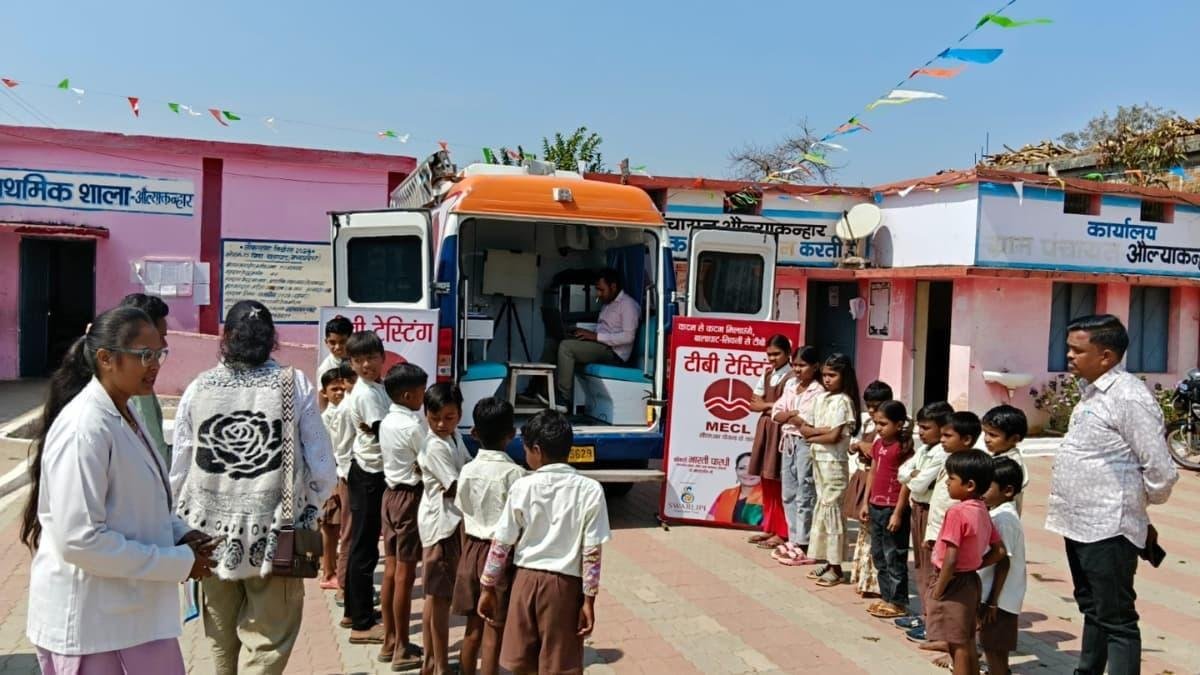

Balaghat, Madhya Pradesh: A serious health crisis in tribal villages of Balaghat district, Madhya Pradesh, has raised concern after reports that more than 30 children have died since June or July 2026. Most of the affected communities are concentrated in remote Baiga- and Gond-dominated areas, particularly around the Birsa block. Health officials are investigating multiple medical conditions rather than identifying one confirmed disease as the single cause of all the deaths.
The situation has drawn attention to infectious diseases, malnutrition, access to healthcare and the difficulty of reaching remote tribal settlements. The Madhya Pradesh High Court has also sought a response from the state government over a public-interest petition concerning the deaths.
More Than 30 Children Reportedly Dead
Recent reports put the number of child deaths in the wider affected area at more than 30, although the figures and the medical circumstances surrounding individual deaths have changed as more cases have been reviewed. Earlier in the crisis, official local figures were much lower. The Centre’s review has stressed that there is currently no evidence of a single pathogen responsible for all the fatalities.
A case-by-case assessment cited by India Today found several clinical factors among reported deaths, including measles, malaria, measles-malaria co-infection, respiratory distress, dehydration, malnutrition, anemia and shock. Some children reportedly died at home or before reaching a health facility, leaving investigators with limited medical records and laboratory evidence in some cases.
That makes the situation more complex than an outbreak caused by one disease.
Why Measles and Malaria Are Being Investigated
Many affected children reportedly developed fever, rashes, respiratory problems and severe weakness. Measles has emerged as one concern, while malaria is already known to be present in the region. Doctors say infections can become more dangerous when children are severely malnourished or dehydrated.
The Centre has said that no new measles case was reported in Balaghat during the seven days covered by its September 5 update. At the same time, vaccination, malaria control, nutrition support and disease surveillance have been expanded.
The available evidence therefore does not support describing all of the deaths simply as a “measles outbreak.” Health authorities are continuing to investigate the combination of diseases and underlying vulnerabilities.
Hundreds of Children Have Needed Treatment
The scale of illness has placed pressure on local healthcare facilities.
A Union health ministry assessment cited by India Today reported 431 children admitted to health facilities, with 379 discharged and 52 still under treatment or observation at the time of that assessment. More than 32,000 people had been screened, and surveillance had expanded from the initial affected villages to around 50 villages.
Other local reports have cited different hospitalisation totals as the health survey expanded, reflecting the fact that new cases were continuing to be identified. One Times of India report said 486 patients had required hospitalisation after an intensive survey in four villages, with 40 still receiving treatment at that point.
These differing figures show why health authorities are continuing door-to-door surveys and case verification.
Malnutrition Adds to the Risk
One of the most important findings from the government response is the extent of malnutrition among children in the affected communities.
India Today’s report, citing response data, said screening identified 7,711 children with severe acute malnutrition, with 518 requiring admission to Nutrition Rehabilitation Centres. More than 13,400 children with diarrhoea and 274 with severe pneumonia had also been identified and treated.
Malnutrition can weaken a child’s ability to fight infection. Dehydration and anaemia can make a serious illness more dangerous, while delays in reaching a health facility can further increase the risk.
This combination of infection, nutritional vulnerability and difficult healthcare access is an important part of the investigation into the Balaghat deaths.
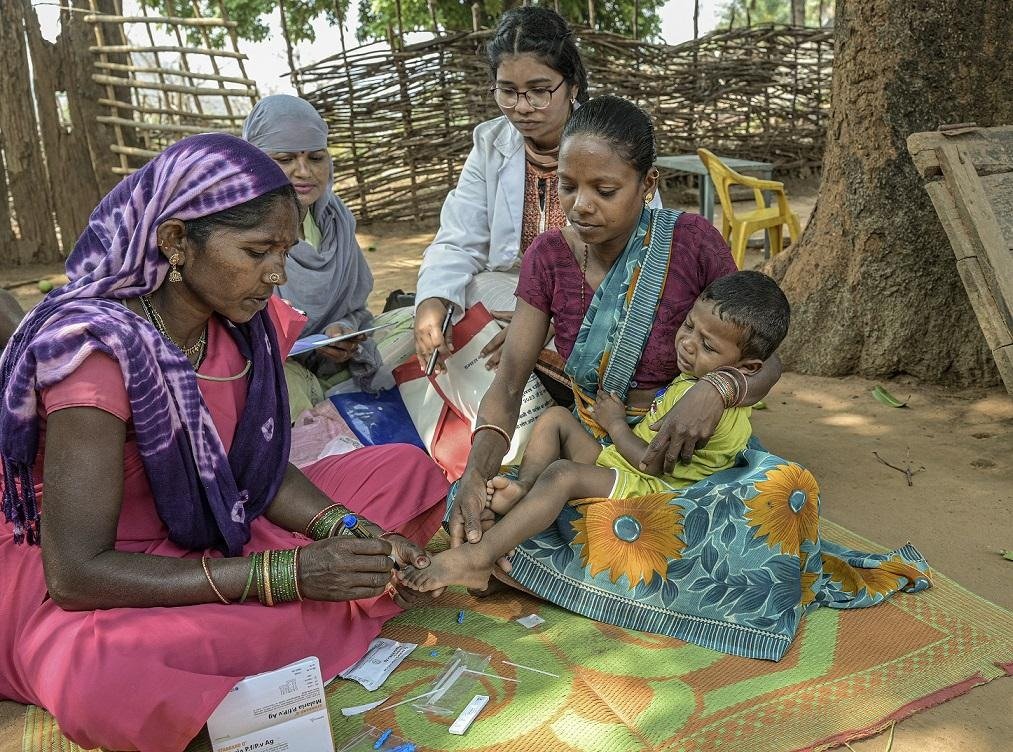
Healthcare Access Under Scrutiny
The affected settlements are remote, and reports have highlighted difficulties in transporting seriously ill children to hospitals. Earlier reporting also described concerns over roads and ambulance access in some tribal habitations.
The public-interest litigation before the Madhya Pradesh High Court has raised questions about healthcare capacity, nutrition and conditions in the affected villages. The court has issued notices to the state government, health authorities, the Women and Child Development Department and the Balaghat collector.
The court process could provide additional scrutiny of the government’s response and the conditions in which affected families have been receiving care.
Government Response Expanded
Authorities have increased health surveillance and medical support in the affected areas. The response includes house-to-house screening, malaria testing, vaccination, specimen collection, treatment, referrals, water-related measures and nutrition interventions.
A national joint outbreak response team was deployed to Balaghat in August, and teams linked to the Indian Council of Medical Research were also involved in field assessments.
Officials have said the situation is improving in some respects, particularly with wider surveillance and the absence of newly reported measles cases during the latest monitoring period.
Questions Remain Unanswered
Despite the expanding medical response, important questions remain about why so many children became seriously ill and why some deaths occurred before hospital treatment.
The absence of one confirmed cause means investigators must examine several possibilities simultaneously: infectious disease, co-infection, nutritional deficiencies, delayed treatment, sanitation and water conditions, and access to healthcare.
The Madhya Pradesh government is also facing public pressure over the crisis, while political leaders and other groups have visited affected villages and demanded accountability. Those claims are political allegations and should be distinguished from the findings of the medical investigation.
What Happens Next?
The immediate priority is to identify sick children early and ensure that severe cases reach appropriate medical facilities without delay. Continued vaccination, nutrition support, malaria testing, disease surveillance and laboratory investigation will be important in understanding the outbreak and preventing further deaths.
The Balaghat tribal child deaths have highlighted the health challenges faced by remote communities where infectious diseases can become more dangerous when combined with malnutrition and limited access to timely treatment.
For now, authorities have not established a single cause for all the deaths. The investigation remains ongoing, while health teams continue to screen communities, treat sick children and monitor the situation across affected parts of Balaghat.
Also Read | UPI Charges From October 15: What the New 0.4% Merchant Fee Means for Consumers and Businesses







Leave a comment