

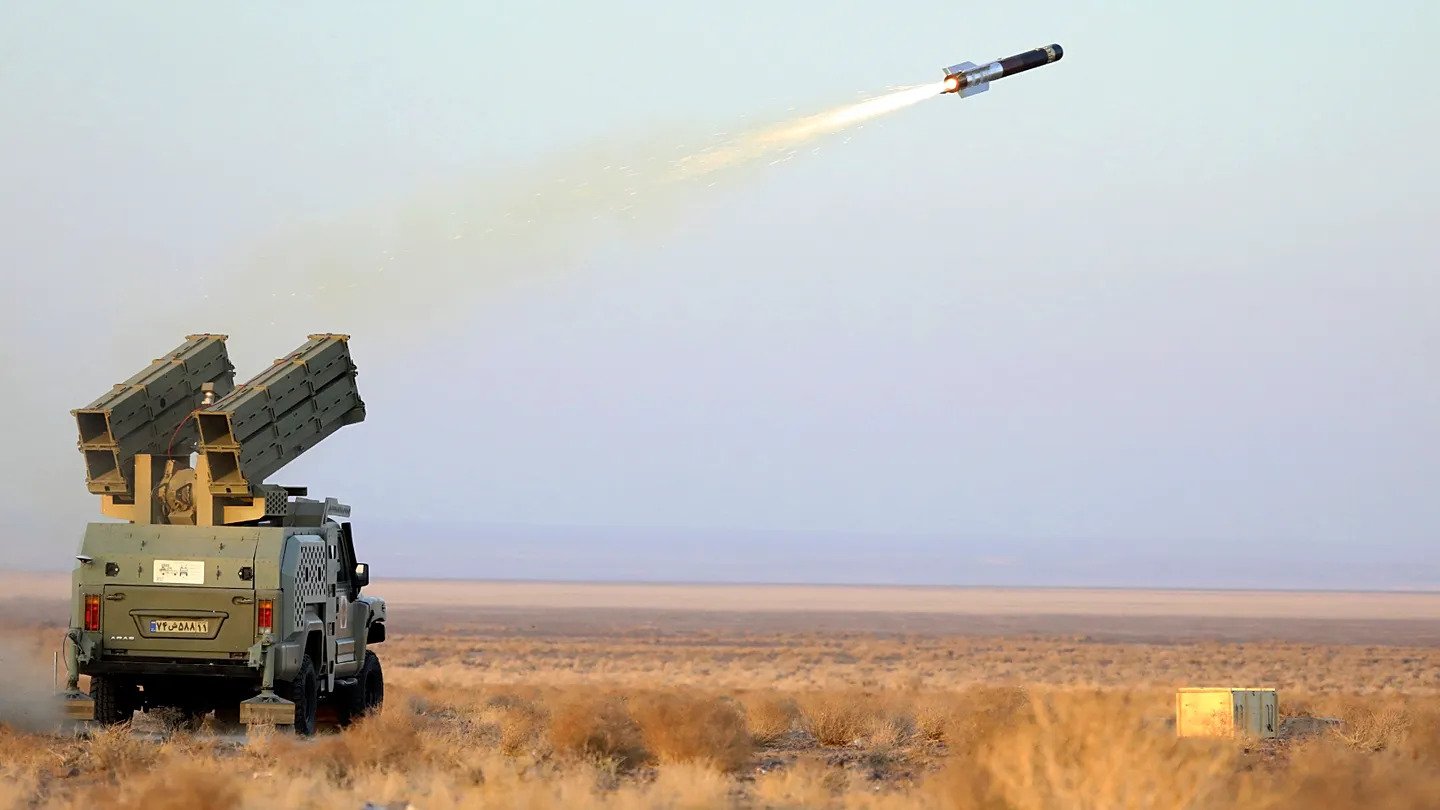

The Iranian missiles strike US forces in Jordan incident has raised fresh concerns about security in the Middle East after a five-day ceasefire was interrupted by renewed military action. Reports indicate that missiles targeted facilities used by US forces in Jordan, prompting immediate security measures and renewed diplomatic efforts to prevent further escalation.
The reported attack has drawn international attention as governments monitor developments closely. Security analysts warn that the incident could complicate ongoing efforts to reduce tensions in the region and maintain stability.
Ceasefire Ends with Fresh Violence
The five-day ceasefire had offered hope that hostilities would ease after weeks of heightened tensions. During the pause, diplomatic discussions continued, and humanitarian efforts expanded in several affected areas.
However, the reported missile strike has raised fears that the fragile truce may have collapsed. Military officials immediately began assessing the situation while regional governments called for restraint.
The renewed violence has increased uncertainty across the Middle East.
What Happened?
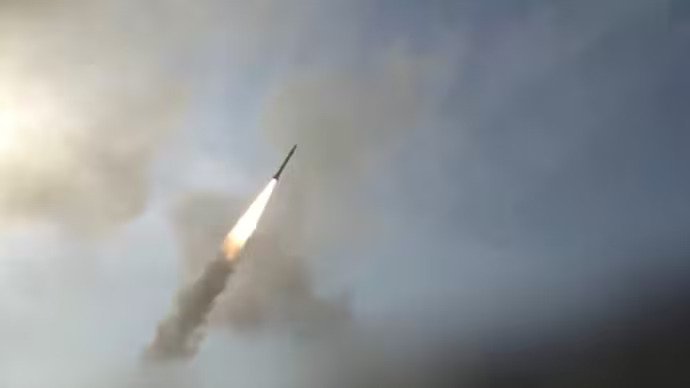
According to initial reports, missiles were launched toward locations hosting US military personnel in Jordan. Air defense systems were activated, and security forces responded quickly to the incident.
Authorities have not yet released complete details regarding casualties or damage. Investigations are continuing, and officials are working to verify the full sequence of events.
Some information remains unconfirmed as assessments continue.
Why Jordan Is Strategically Important
Jordan plays an important role in regional security and has long maintained close defence cooperation with the United States and several international partners.
The country hosts military facilities that support operations aimed at counterterrorism, regional stability, humanitarian assistance, and intelligence cooperation.
Its geographic location makes Jordan an important partner in Middle East security planning.
Regional Tensions Rise Again
The reported attack comes at a sensitive time for the region.
Several governments had welcomed the temporary ceasefire as an opportunity to encourage dialogue and reduce military confrontation. The latest developments now raise concerns that further retaliation could increase instability.
Diplomatic channels remain active as leaders seek ways to prevent a wider conflict.
International Reactions
Governments around the world have urged all parties to exercise restraint.
International organizations have called for respect for international law and emphasized the importance of protecting civilians while avoiding actions that could expand the conflict.
Many countries continue supporting diplomatic solutions rather than military escalation.
US Response
American officials are closely monitoring the situation.
Military commanders have reviewed security procedures at regional bases while intelligence agencies continue gathering information about the reported attack.
The United States has stated that the safety of its personnel remains a top priority and that appropriate decisions will be made after the investigation is completed.
Iran’s Position
Iran has repeatedly stated that its regional policies are aimed at protecting its national interests and supporting its strategic objectives.
Following reports of the strike, officials were expected to address the situation through official channels. Any formal response could influence future diplomatic efforts and regional security discussions.
Observers continue monitoring official statements from Tehran.
Impact on Regional Security
The renewed tensions could affect several areas of regional cooperation.
Possible consequences include:
- Increased military readiness.
- Enhanced security at military bases.
- Additional diplomatic negotiations.
- Greater intelligence coordination.
- Continued monitoring of regional airspace.
Security experts believe preventing further escalation will require continued communication between regional and international partners.
Energy Markets Watch Closely
Events in the Middle East often influence global energy markets.
Although energy supplies have not been directly affected by the reported incident, investors are closely watching developments because geopolitical uncertainty can affect oil prices and international shipping.
Market analysts expect governments and businesses to continue monitoring the situation carefully.
Humanitarian Concerns
Renewed military activity may also affect humanitarian operations in nearby areas.
Aid organizations have emphasized the importance of maintaining safe access for medical teams, emergency workers, and humanitarian supplies.
International agencies continue encouraging all parties to protect civilians and essential infrastructure.
Diplomatic Efforts Continue
Despite the renewed violence, diplomatic engagement has not stopped.
Several countries remain involved in discussions aimed at restoring calm and preventing additional military action.
Analysts believe negotiations will remain essential for reducing tensions and rebuilding confidence after the reported ceasefire breakdown.
International mediators continue encouraging dialogue among all parties involved.
What Happens Next?
Military investigations are expected to provide more information about the reported missile strike.
Governments will likely review intelligence findings before announcing additional policy decisions.
Security experts also expect regional military forces to remain on heightened alert while diplomatic efforts continue.
Future developments will depend on official investigations, political decisions, and ongoing negotiations.
Global Attention Remains Focused on the Middle East
The Middle East remains one of the world’s most strategically important regions.
Any significant security incident involving US forces attracts close attention because of its potential impact on international diplomacy, global trade, and regional stability.
Governments, investors, and humanitarian organizations will continue following official updates in the coming days.
Conclusion
The Iranian missiles strike US forces in Jordan incident has renewed concerns about security in the Middle East just days after a temporary ceasefire raised hopes for reduced tensions. While investigations continue and complete details remain limited, the reported attack highlights the fragile nature of regional stability.
Diplomatic efforts are expected to remain the primary focus as international leaders work to prevent further escalation. Until official investigations are completed, governments are urging restraint while monitoring developments closely. The coming days will be critical in determining whether renewed dialogue can restore stability or whether tensions will continue to rise.
Read Also / Trump Greenlights Civil Nuclear Partnership with Saudi Arabia













Leave a comment