

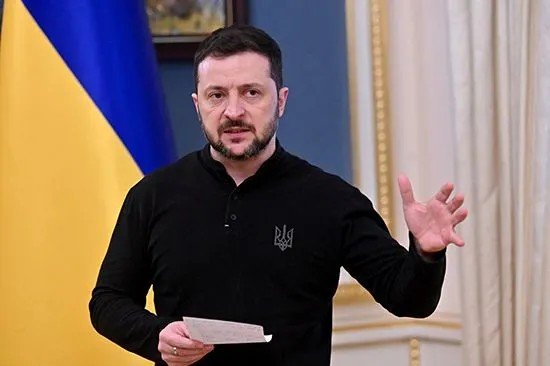

Kyiv, Ukraine: As the conflict in Ukraine continues to intensify, President Volodymyr Zelensky has signaled significant changes to the country’s leadership structure, describing the move as part of a broader effort to strengthen governance, improve military coordination, and prepare the nation for the next phase of the ongoing war.
The announcement comes at a time when Ukraine faces mounting military pressure, continued attacks on key infrastructure, and growing challenges on both the battlefield and the diplomatic front. While specific appointments and dismissals are expected to be announced in the coming days, Zelensky emphasized that the proposed changes are intended to improve decision-making and ensure that the country’s institutions remain effective during wartime.
The development has drawn attention from Ukraine’s international allies and political analysts, who view the leadership reshuffle as a potentially important step in adapting to the evolving security environment.
Leadership Changes Amid Wartime Challenges
Speaking during a national address, President Zelensky stated that Ukraine must continuously strengthen its leadership and state institutions to meet the demands of an increasingly complex conflict.
According to the President, government officials and military leaders are expected to deliver efficient coordination, rapid decision-making, and strong accountability. He stressed that leadership positions should reflect the country’s changing priorities as the conflict enters another critical phase.
Although the administration has not released a complete list of proposed personnel changes, officials indicated that the restructuring could affect several key government and security positions.
Why the Leadership Reshuffle Matters
Leadership changes during wartime are often designed to improve operational efficiency and adapt to changing battlefield realities.
Political observers believe the proposed changes could focus on:
- Improving military command coordination
- Enhancing national security planning
- Accelerating defense procurement
- Strengthening diplomatic engagement
- Increasing government efficiency
Analysts note that wartime governments frequently reorganize leadership to address emerging security challenges and maintain public confidence.
Military Situation Remains Intense
The announcement comes as fighting continues across several regions of Ukraine.
Both sides remain engaged in heavy military operations involving artillery, drones, missile strikes, and defensive maneuvers. Ukrainian authorities continue to report attacks on civilian infrastructure, while military officials remain focused on protecting strategic positions and strengthening defensive capabilities.
The ongoing conflict has placed enormous pressure on government institutions, making efficient leadership increasingly important.
International Allies Closely Monitoring Developments
Ukraine’s Western partners are expected to closely follow the proposed leadership changes.
Countries providing military, financial, and humanitarian assistance have consistently emphasized the importance of strong governance, transparency, and effective coordination throughout the conflict.
Diplomatic observers believe that any restructuring will likely be evaluated based on its ability to improve Ukraine’s overall defense and administrative capacity.
International support remains a key component of Ukraine’s long-term security strategy.
Domestic Political Implications
While leadership changes are not uncommon during extended conflicts, they often generate political discussion within the country.
Supporters argue that fresh leadership can introduce new strategies and improve government performance during extraordinary circumstances.
Others suggest that continuity in key positions remains equally important to ensure stability and maintain ongoing military operations.
Despite differing political opinions, most analysts agree that Ukraine’s primary focus continues to be national defense and maintaining resilience against ongoing attacks.
Focus on Military Coordination
Defense experts believe one of the main objectives of the proposed changes could be improving coordination between civilian leadership and military command.
Modern warfare requires rapid communication, intelligence sharing, and efficient resource management. Any improvements in organizational structure could strengthen Ukraine’s ability to respond quickly to changing battlefield conditions.
Military planning has become increasingly complex as technological warfare, drone operations, cyber threats, and precision-guided weapons play a larger role in the conflict.
Economic Challenges Continue
Beyond military concerns, Ukraine continues to face significant economic pressures.
The prolonged conflict has affected infrastructure, industrial production, trade, and public finances. The government remains focused on maintaining essential public services while funding national defense efforts.
Leadership changes could also involve economic ministries responsible for reconstruction planning, foreign investment, and international financial cooperation.
Rebuilding damaged infrastructure remains one of the country’s long-term priorities.
Diplomatic Strategy Remains Essential
Alongside military operations, Ukraine continues diplomatic efforts aimed at strengthening international partnerships.
President Zelensky has consistently engaged with allied governments, international organizations, and global institutions to secure additional defense assistance and humanitarian support.
Political analysts believe any leadership restructuring will likely support Ukraine’s broader diplomatic objectives by improving coordination across government agencies.
Maintaining international unity remains crucial for Ukraine’s strategic position.
Public Response
The proposed leadership changes have generated widespread discussion among Ukrainian citizens and political commentators.
Many citizens recognize that wartime leadership requires flexibility and adaptation, particularly as the conflict evolves.
Public confidence will likely depend on whether the new appointments demonstrate effectiveness, transparency, and the ability to address both military and civilian challenges.
Citizens continue to expect strong leadership capable of navigating one of the most difficult periods in the nation’s modern history.
Global Reactions
Governments around the world have continued to monitor developments in Ukraine with close attention.
International organizations have reiterated calls for:
- Protection of civilians
- Respect for international humanitarian law
- Continued diplomatic engagement
- Humanitarian assistance
- Long-term efforts toward peace and stability
The leadership changes are expected to become part of broader international discussions regarding Ukraine’s future governance and security strategy.
What Comes Next?
The coming days are expected to bring greater clarity regarding the scope of President Zelensky’s proposed leadership changes.
Key questions include:
- Which senior officials will be replaced?
- Will military leadership undergo restructuring?
- How will international partners respond?
- What impact will the changes have on Ukraine’s defense strategy?
Observers believe the appointments will provide important signals about the government’s priorities for the months ahead.
Conclusion
President Volodymyr Zelensky’s proposal to reshape Ukraine’s leadership reflects the country’s efforts to adapt to the evolving demands of an ongoing conflict. As military operations continue and security challenges grow more complex, the government appears focused on strengthening coordination, improving efficiency, and preparing for future challenges.
While the full details of the leadership changes are yet to emerge, the decisions are expected to influence Ukraine’s political direction, military planning, and international partnerships during a critical period in the country’s history.











Leave a comment