

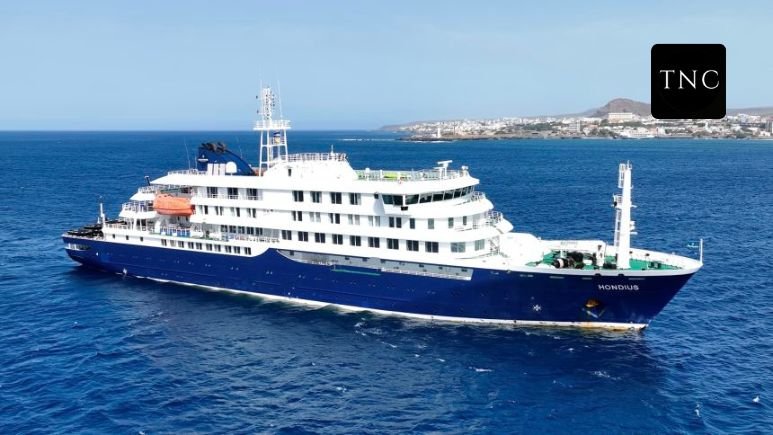

The dining room on the MV Hondius still smelled faintly of coffee and disinfectant when passengers began whispering about another illness.
A retired birdwatcher from Spain, already confined to quarantine after weeks of uncertainty, had tested positive for hantavirus. Medical teams moved quickly. Masks returned. Phones lit up with alerts. Somewhere deep inside the luxury expedition vessel once marketed as a dream voyage through remote Atlantic islands.fear settled in again.
By Wednesday, the World Health Organization confirmed the outbreak linked to the cruise ship had grown to 13 cases across multiple countries. Three people have died. And although health officials insist the situation remains stable, the incident has become one of the most closely watched disease investigations of the year.
What began in April as a high-end wildlife cruise departing from Ushuaia, Argentina, has evolved into a global public health operation involving quarantines, emergency evacuations and cross-border monitoring. Passengers from more than 20 countries shared dining halls, excursion boats and narrow ship corridors long before authorities understood what they were dealing with.
The virus at the center of the outbreak is believed to be the Andes strain of hantavirus, a rare but dangerous pathogen usually spread through contact with infected rodents or their droppings. Unlike most hantaviruses, the Andes variant has shown limited ability to spread between humans, a detail that sharply raised concern among epidemiologists once cases began appearing across different passengers.
WHO chief Tedros Adhanom Ghebreyesus said Spain recently identified a new case among quarantined passengers, pushing the total confirmed and probable infections to 13. No new deaths have been reported since May 2, and officials say infected passengers are receiving treatment while others remain under observation.
The scale of the response reflects how unusual the outbreak has become.
Health agencies classified everyone aboard the ship as high-risk contacts, recommending 42 days of active monitoring. Emergency medical evacuations stretched from Tenerife to the Netherlands, Switzerland, South Africa and other countries as governments scrambled to isolate passengers before wider transmission could occur.
Investigators now believe the first infected passenger may have contracted the virus before boarding, possibly during travel in parts of Argentina or Chile where hantavirus is known to circulate. From there, cramped ship conditions and prolonged exposure may have enabled additional infections during the month-long voyage.
For global health officials, the outbreak is not another COVID-style emergency. WHO maintains the risk to the broader public remains low. But the incident has exposed how quickly an isolated medical event can become an international crisis when it unfolds inside a tightly packed travel environment moving across continents.
The Hondius itself has become a symbol of that vulnerability: a luxury expedition liner transformed into a floating quarantine zone.
Passengers boarded expecting rare seabirds, icy coastlines and astronomy lectures. Instead, many spent weeks trapped between ports while governments negotiated evacuation plans and laboratories raced to understand a virus few people had heard of before this month.
The bottom line: the hantavirus outbreak aboard the MV Hondius is a reminder that even rare diseases can trigger global alarm when modern travel turns a local infection into an international chain of exposure within days.
Also Read / Brazil Approves World’s First Single Dose Dengue Vaccine for Ages 12 to 59.











Leave a comment