

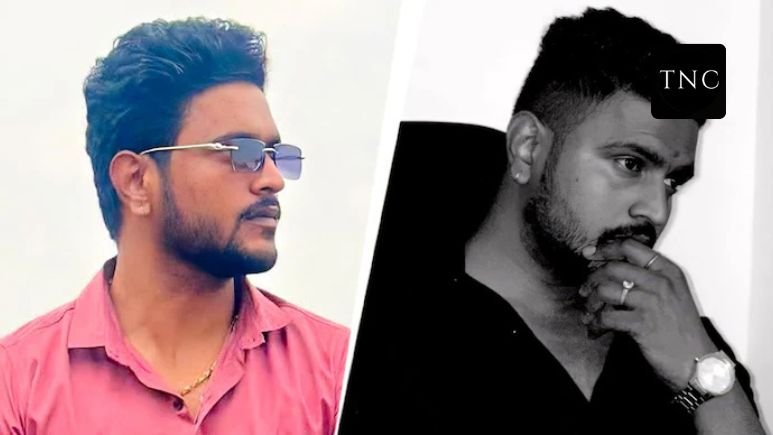

At 2:17 a.m., the lights were still on inside a cramped apartment in Pune.
A chemistry lecturer sat at a dining table littered with handwritten notes, exam drafts, and two mobile phones buzzing with encrypted messages. Outside, the city had gone quiet. Inside, investigators now believe, one of India’s biggest education scandals was already in motion.
By dawn, thousands of medical aspirants across India would wake up believing they were preparing for the toughest exam of their lives through hard work alone. Some had spent years in coaching hostels. Others studied under dim tube lights in villages where electricity still flickered during summer heatwaves.
But according to the Central Bureau of Investigation (CBI), the game may already have been rigged.
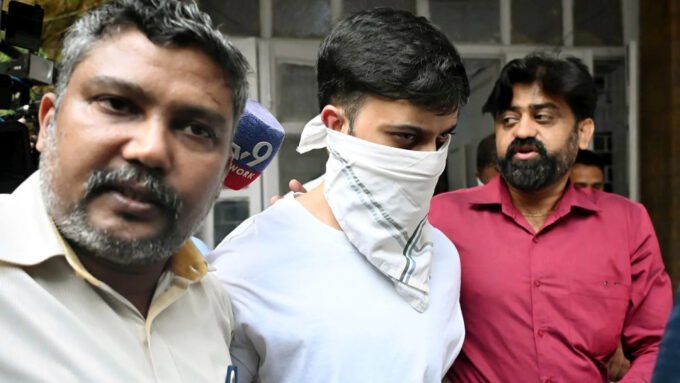
This week, the CBI arrested a chemistry professor allegedly linked to the National Testing Agency (NTA), accusing him of being a central figure in the NEET-UG 2026 paper leak scandal a case that has shaken public faith in India’s most important medical entrance examination.
Why This Story Matters
The NEET examination is more than a test. For nearly two million students every year, it is a narrow bridge between aspiration and obscurity.
One score can determine whether a student enters a government medical college or spends years and lakhs of rupees trying again.
That is why the latest allegations cut deeper than an ordinary corruption case. Investigators now suspect that the leak may not have come from outside hackers or coaching-center brokers alone, but from individuals connected to the examination ecosystem itself.
If proven true, the scandal exposes a far more dangerous reality: India’s high-stakes testing system may be vulnerable from the inside.
The Business of Selling Hope
Investigators say leaked papers were allegedly circulated through WhatsApp groups, courier networks, and coaching contacts spread across multiple states, including Rajasthan, Maharashtra, Haryana, and Delhi.
The prices were staggering.
According to reports cited during the investigation, so-called “guess papers” which allegedly matched the actual exam were sold for anywhere between ₹10 lakh and ₹25 lakh.
That number tells its own story.
Families in India routinely mortgage land, empty savings accounts, and borrow heavily for medical coaching. The demand is so desperate that an underground economy has emerged around competitive exams part coaching industry, part criminal network.
The leak did not happen in isolation. It happened inside a system where pressure is relentless and seats are scarce.
More than 20 lakh students compete for a fraction of available MBBS seats every year. The stakes are so extreme that even rumors of leaks can trigger panic, protests, and litigation.
The Shadow Over the NTA
The National Testing Agency was created to professionalize entrance examinations and reduce exactly this kind of chaos.
Instead, the agency now finds itself under intense scrutiny once again.
This is not the first controversy surrounding NEET. The 2024 examination also faced allegations of irregularities, unusual scoring patterns, and paper leak claims that eventually reached the Supreme Court.
Now, the 2026 scandal threatens to deepen public distrust.
The Indian Medical Association has already demanded stronger accountability and even called for structural reforms in how NEET is conducted.
Meanwhile, the CBI is reportedly examining whether public servants or insiders helped facilitate access to confidential material.
That possibility changes everything.
Because when students believe the exam itself can be bought, merit stops meaning what it is supposed to mean.
The Human Cost Nobody Calculates
The hardest part of exam scandals is that the victims rarely make headlines.
Not the student in Kota solving biology diagrams at 3 a.m.
Not the father driving an auto-rickshaw extra hours to pay coaching fees.
Not the repeat aspirant who misses a seat by two marks and spends another year preparing.
For them, a paper leak is not political theater. It is theft.
It steals trust from students who believed discipline still mattered.
And every time a leak surfaces, the message spreads quietly across the country: connections may matter more than preparation.
That may be the most damaging consequence of all.
The NEET paper leak case is no longer just about one professor, one exam, or one criminal network.
It is about whether India can protect the credibility of the systems that decide young people’s futures.
Because once students stop believing the exam is fair, the damage extends far beyond a leaked question paper. It reaches the foundation of merit itself.
Also Read / The School Gate Economy Is Under Attack in Bihar.












Leave a comment