

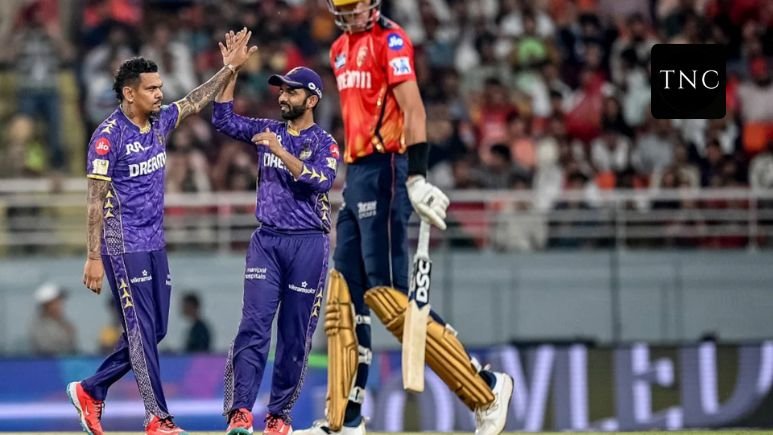

The hallway outside the team hotel in Raipur was supposed to be quiet after midnight. Instead, security staff watched a stream of unfamiliar faces move through elevators reserved for players and support personnel. Phones glowed in dim corridors. A franchise official argued with hotel staff over access badges. Downstairs, in the lobby café, a young cricketer sat with two influencers livestreaming snippets of a private team gathering to thousands of followers online.
By morning, the footage had spread across social media. Inside the Board of Control for Cricket in India, alarm bells rang.
Now, the Board of Control for Cricket in India better known as the BCCI is attempting to regain control of a tournament that has grown too large, too wealthy and too exposed for loose discipline. This week, the board issued an eight-page directive to all ten IPL franchises, warning teams about “honey-trap” risks, unauthorized hotel access, vaping inside restricted zones and owner interference during live matches.
The document reads less like a routine sports memo and more like a corporate crisis manual.
And that is precisely the point.
The Indian Premier League is no longer merely a cricket tournament. It is a billion-dollar entertainment ecosystem where players function simultaneously as athletes, celebrities, influencers and commercial assets. The lines between sport, branding and personal exposure have blurred so completely that the BCCI now fears the league’s biggest threat may not come from fixing syndicates alone, but from uncontrolled access and digital-age vulnerability.
The board’s concerns are rooted in a season already rattled by controversy. A Rajasthan Royals official was reportedly seen using a phone inside a restricted dugout area. Cameras caught players vaping during tournament activity. Team owners and associates were allegedly entering zones meant only for players and match officials. Meanwhile, social media influencers linked to players increasingly became part of the travelling IPL circus.
To administrators, these were not isolated embarrassments. They were warning signs.
The directive bans unauthorized visitors from entering players’ hotel rooms without written approval from team managers. Guests must now remain in public hotel spaces. Players leaving hotels at odd hours must inform security officers in advance. Franchise owners have been told to stop approaching players during live matches or entering restricted dugout areas. Vaping and electronic cigarettes have been completely prohibited across stadiums, hotels and practice venues.
The most striking language, however, appears in the BCCI’s warning about “targeted compromise and honey trapping.” The phrase pulled the conversation beyond cricket and into the darker realities of modern sports security.
Globally, elite athletes are increasingly treated as high-value targets. Information leaks, betting networks, personal scandals and manipulated relationships can all destabilize tournaments worth millions in sponsorship and broadcasting revenue. In cricket where corruption scandals have historically scarred the sport even the appearance of compromised conduct can damage credibility overnight.
That explains why the BCCI’s tone has hardened.
Officials now appear determined to reassert central authority over franchises that, over the years, evolved into semi-independent celebrity enterprises. IPL teams today are run by film stars, corporate tycoons and global investors. Players travel with entourages. Brand shoots overlap with training schedules. Social media operates 24 hours a day. The controlled, closed-off environment that cricket boards once relied upon has nearly vanished.
What the BCCI is trying to do is rebuild those walls.
Critics may call the new rules excessive or paternalistic. Supporters will argue they are overdue. But the directive reveals something deeper about modern professional sport: privacy has collapsed, and governing bodies are scrambling to contain the consequences.
For younger players especially, the IPL can feel less like a cricket league and more like permanent public exposure. Every interaction is filmed. Every night out becomes content. Every mistake trends online before dawn.
The BCCI’s message is blunt: the era of casual boundaries is over.
The Bottom Line: The IPL’s biggest battle may no longer be fought between bat and ball. It is now a fight to protect the league itself from leaks, scandals, unchecked access and the chaos that comes when sport, celebrity and social media collide under billion-dollar lights.
Also Read / The Clip That Wouldn’t Stop: How a Few Seconds on a Team Flight Became the IPL’s Latest Crisis.













Leave a comment