

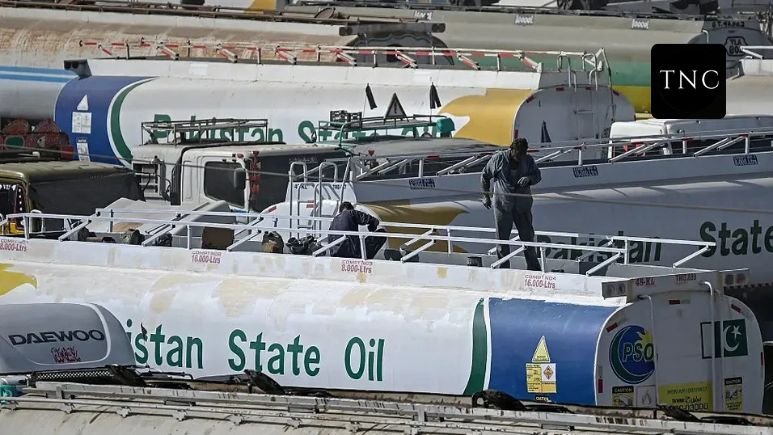

The tanker cut a cautious path along Iran’s coastline, its engines humming low as radar screens flickered in the dim glow of the bridge. Crew members spoke in clipped sentences, eyes fixed on the horizon. This wasn’t a routine voyage. One wrong signal, one misread clearance and the ship could be turned back, detained, or worse.
Hours later, the vessel slipped out into the Gulf of Oman. Behind it lay the Strait of Hormuz, a stretch of water that had become less a trade route and more a geopolitical minefield.
The Pakistani-flagged tanker’s successful entry and exit marks more than a logistical milestone. It is the first crude carrier to navigate out of Hormuz with cargo since a U.S.-led blockade tightened control over the region, highlighting just how restricted global oil flows have become.
For weeks, the strait through which roughly one-fifth of the world’s oil normally passes has been choked by conflict, sanctions, and military oversight. Ships now require clearance from multiple authorities, including both U.S. and Iranian forces, turning a commercial passage into a diplomatic negotiation at sea.
This single voyage is a signal: trade hasn’t stopped but it has become selective, fragile, and deeply political.
Shipping data tells the story bluntly. Traffic through Hormuz has dropped to a trickle, often in single-digit daily transits, compared to normal volumes. Many vessels are either waiting, rerouting, or abandoning journeys altogether.
The Pakistani tanker’s journey reveals three critical shifts shaping global energy flows:
1. Oil routes are now controlled, not open.
Iran has effectively asserted gatekeeping power, allowing only certain ships often based on political alignment to pass. Analysts note that some vessels hug Iranian waters, signaling implicit approval rather than neutral transit.
2. The U.S. blockade has changed the rules of trade.
Washington’s naval presence is not just symbolic. Ships must navigate a dual-clearance system, balancing compliance with opposing powers. That friction is slowing down global supply chains.
3. Risk is replacing efficiency.
Insurance costs are rising. Naval escorts are becoming common. Countries like India and Pakistan are deploying warships to protect energy shipments. What used to be a cost-optimized route is now a security operation.
Even successful voyages carry a caveat: they are exceptions, not the norm. Reports indicate dozens of ships have turned back in recent days, unwilling to test the corridor.
One tanker made it through. That doesn’t mean the system is working, it means it’s barely holding.
The Strait of Hormuz is no longer just a shipping lane. It is a pressure point where geopolitics, energy security, and military strategy collide. And as long as that tension persists, every barrel of oil that passes through it will carry not just fuel but risk.










Leave a comment