

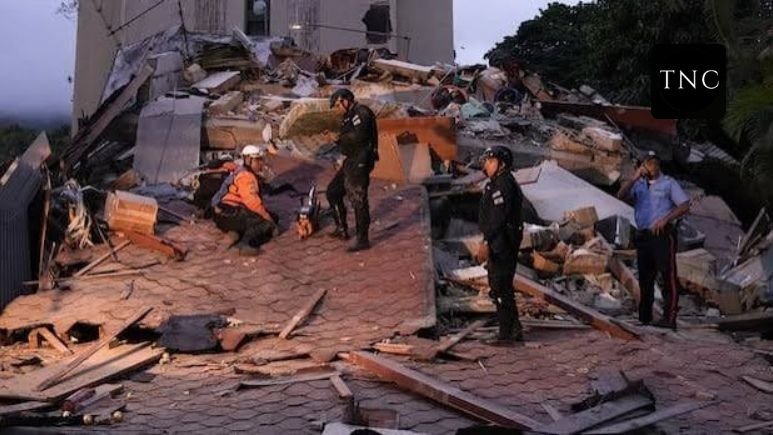

A series of powerful earthquakes struck Venezuela, sending shockwaves through the capital city of Caracas and prompting thousands of residents to evacuate homes, offices, and commercial buildings. The tremors, felt across several regions of the country, caused panic among citizens and raised concerns about potential aftershocks and infrastructure damage.
Emergency services were placed on high alert as authorities began assessing the impact of the seismic activity. While initial reports indicated limited structural damage in some areas, officials urged residents to remain cautious and follow safety guidelines.
The incident has once again highlighted Venezuela’s vulnerability to seismic activity and the importance of disaster preparedness in earthquake-prone regions.
Earthquakes Shake Caracas and Nearby Regions
The earthquakes were felt strongly in Caracas, where residents reported buildings swaying and objects falling from shelves. Many people rushed into the streets as tremors shook residential neighborhoods, office towers, and public facilities.
Witnesses described moments of fear and confusion as alarms sounded and people sought safety away from structures that could potentially be affected by aftershocks.
The seismic activity was also felt in neighboring regions, with reports of tremors reaching communities located far from the epicenter.
Residents React to Sudden Tremors
For many residents, the earthquakes came without warning.
People working in offices immediately evacuated buildings, while families living in apartment complexes gathered in open spaces. Social media quickly filled with videos showing crowds standing outside buildings and sharing their experiences during the tremors.
Although panic spread rapidly, authorities encouraged citizens to remain calm and follow emergency instructions.
Timeline of Events
Initial Tremor Detected
The first earthquake struck during the day, surprising residents across Caracas and nearby areas.
Many individuals initially believed the shaking was temporary, but concern grew as the tremor continued for several seconds.
Buildings Evacuated
As the shaking intensified, evacuation procedures were initiated in office buildings, shopping centers, and residential complexes.
Security personnel guided occupants toward designated assembly points while emergency services monitored the situation.
Additional Tremors Reported
Following the initial earthquake, several aftershocks and additional seismic events were reported.
These subsequent tremors heightened public anxiety and led authorities to maintain emergency readiness.
Authorities Launch Assessments
Government agencies and disaster response teams began inspecting roads, bridges, public buildings, and critical infrastructure.
Officials also collected reports from local communities to determine the extent of any damage.
Emergency Response Efforts
Emergency services were rapidly deployed throughout affected areas.
Police officers, firefighters, medical personnel, and civil protection teams worked together to ensure public safety and provide assistance where necessary.
Authorities established communication centers to receive reports of damage and coordinate response efforts.
Public Safety Measures
Officials advised residents to:
- Avoid damaged structures
- Stay informed through official channels
- Prepare emergency supplies
- Follow evacuation instructions if required
- Remain alert for aftershocks
These precautions are standard practice following significant seismic events.
Assessing the Damage
Initial reports suggested that the earthquakes caused minor structural damage in some areas, although comprehensive assessments are still ongoing.
Cracks in walls, damaged facades, and temporary disruptions to services were reported in several locations.
Infrastructure Inspections Underway
Engineers and safety experts have begun evaluating:
- Residential buildings
- Commercial properties
- Transportation networks
- Utility systems
- Public facilities
The goal is to identify potential hazards and ensure structures remain safe for occupancy.
Authorities emphasized that full damage assessments could take several days to complete.
Why Venezuela Experiences Earthquakes
Venezuela is located in a region influenced by complex tectonic activity.
The country sits near the boundary where major tectonic plates interact, creating conditions that can generate earthquakes of varying magnitudes.
Understanding Seismic Activity
Earthquakes occur when stress builds up within the Earth’s crust and is suddenly released.
This release of energy produces seismic waves that cause ground shaking.
Depending on the depth, location, and magnitude of an earthquake, the effects can range from barely noticeable tremors to major destructive events.
Scientists continuously monitor seismic activity to better understand earthquake patterns and improve early warning capabilities.
Concerns About Aftershocks
Following significant earthquakes, aftershocks are common.
These smaller seismic events occur as the Earth’s crust adjusts after the initial release of energy.
What Residents Should Know
Experts advise residents to remain prepared for additional tremors in the days following a major earthquake.
Key recommendations include:
- Keeping emergency kits accessible
- Knowing evacuation routes
- Securing heavy furniture
- Staying updated through official announcements
- Avoiding unsafe structures
Preparedness can significantly reduce risks during future seismic events.
Public Reaction and Social Media Response
The earthquakes quickly became a major topic of discussion online.
Residents shared videos, photographs, and firsthand accounts of the tremors, providing a real-time view of conditions across affected areas.
Many users expressed relief that widespread catastrophic damage had not been immediately reported, while others called for stronger disaster preparedness measures.
Calls for Improved Preparedness
The incident has renewed discussions about:
- Building safety standards
- Earthquake-resistant construction
- Emergency response planning
- Public awareness campaigns
- Disaster readiness education
Experts believe these measures can help reduce risks during future seismic events.
Conclusion
The series of earthquakes that struck Venezuela and shook Caracas serves as a reminder of the unpredictable nature of natural disasters. While emergency officials continue to assess damage and monitor aftershocks, the event has underscored the importance of preparedness, public awareness, and resilient infrastructure.
Residents across the affected regions remain vigilant as authorities provide updates and safety guidance. Although the full impact of the earthquakes may take time to assess, the swift response by emergency services has helped maintain public safety during a challenging situation.
As investigations and inspections continue, Venezuelans hope that lessons learned from this event will strengthen disaster preparedness and resilience for the future.












Leave a comment