

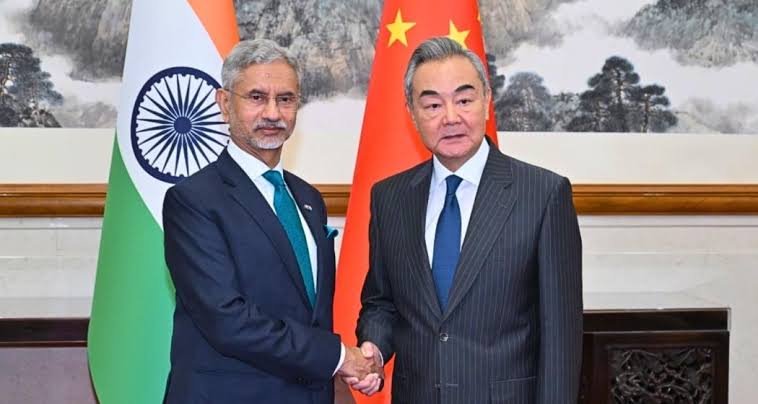

The relationship between China and India remains one of the most important geopolitical dynamics in Asia. As the world’s two most populous nations and major economic powers, their interactions influence trade, regional security, diplomacy, and global governance.
In 2026, the visit of Chinese Foreign Minister Wang Yi to India has attracted significant attention from policymakers, business leaders, and international observers. The high-profile diplomatic engagement comes at a time when both countries are seeking to balance competition with cooperation amid a rapidly changing global landscape.
While challenges remain, the visit is being viewed as a potential opportunity to strengthen communication, improve bilateral relations, and explore areas of mutual interest.
Why Wang Yi’s Visit Matters
Diplomatic visits between senior officials often serve as important indicators of the direction of bilateral relations.
Wang Yi’s visit signals that both Beijing and New Delhi recognize the importance of maintaining dialogue despite existing disagreements on several issues.
The meeting provides an opportunity for both sides to discuss:
- Border management
- Trade and economic cooperation
- Regional security
- BRICS collaboration
- Global economic challenges
- Multilateral diplomacy
Analysts believe the visit could help reduce tensions while creating pathways for future cooperation.
A Complex Relationship
China and India share a long and complex relationship shaped by history, geography, economics, and strategic interests.
Over the years, the two countries have experienced periods of cooperation as well as moments of tension.
Border Issues Remain a Key Concern
One of the most significant challenges in China-India relations continues to be border management.
While diplomatic and military channels have worked to maintain stability in disputed regions, border issues remain a sensitive topic for both governments.
Wang Yi’s visit provides an opportunity to review existing mechanisms aimed at preventing misunderstandings and promoting peace along the border.
Many observers believe sustained dialogue is essential for maintaining regional stability.
Economic Cooperation Remains Important
Despite political challenges, economic ties between China and India remain substantial.
China is one of India’s largest trading partners, while Indian businesses continue to engage with Chinese suppliers and markets.
Opportunities for Trade Growth
Discussions during the visit are expected to focus on expanding economic cooperation in areas such as:
- Manufacturing
- Technology
- Renewable energy
- Infrastructure
- Supply chain resilience
- Digital innovation
Both countries recognize that economic collaboration can contribute to growth and development.
Business leaders are closely monitoring the outcomes of diplomatic engagements for signs of improved trade relations.
The Role of BRICS in 2026
The BRICS grouping has become an increasingly influential platform for emerging economies.
China and India are both key members of BRICS alongside Brazil, Russia, South Africa, and newer member nations.
Shared Interests Within BRICS
Within the BRICS framework, China and India often cooperate on issues related to:
- Global economic reform
- Development financing
- Climate action
- Technology partnerships
- South-South cooperation
Wang Yi’s visit may help strengthen coordination ahead of future BRICS initiatives and meetings.
The ability of both nations to work together within multilateral organizations remains important for the future of global governance.
Regional Security Considerations
Asia continues to experience significant geopolitical changes.
As major regional powers, both China and India play critical roles in maintaining stability and addressing shared security concerns.
Areas of Mutual Interest
Potential areas of cooperation include:
- Counterterrorism efforts
- Maritime security
- Disaster response
- Energy security
- Public health preparedness
Although differences remain, practical cooperation in these fields can benefit both countries and the broader region.
Diplomatic engagement allows leaders to identify common ground while managing disagreements responsibly.
Global Economic Implications
The world economy continues to face challenges ranging from inflation and supply chain disruptions to technological transformation and energy security concerns.
China and India together represent a significant portion of global economic activity.
Impact on International Markets
Improved relations between the two countries could contribute to:
- Greater investor confidence
- Enhanced regional trade
- Stronger supply chains
- Increased economic stability
- Expanded business opportunities
Global markets often react positively to signs of cooperation between major economies.
Investors and multinational corporations are therefore paying close attention to the outcomes of Wang Yi’s visit.
Challenges That Still Exist
While diplomatic engagement is encouraging, several challenges remain.
Differences over strategic priorities, security concerns, and economic competition continue to shape the relationship.
Managing Competition and Cooperation
Experts often describe China-India relations as a balance between competition and cooperation.
Both countries seek economic growth, regional influence, and technological advancement. At the same time, they recognize the importance of avoiding unnecessary escalation and maintaining constructive communication.
The success of future relations will depend on the ability of both sides to manage disagreements while expanding areas of collaboration.
What This Means for the Future
Wang Yi’s visit may not resolve every issue between China and India, but it represents an important step in maintaining diplomatic engagement.
Regular communication between senior officials helps build trust, reduce misunderstandings, and create opportunities for cooperation.
Looking Ahead
In the coming months, observers will watch for progress in several areas:
- Border stability
- Trade cooperation
- Investment flows
- BRICS coordination
- Regional security dialogue
- Cultural and people-to-people exchanges
Positive developments in any of these areas could contribute to stronger bilateral relations.
Conclusion
China-India relations remain one of the most significant partnerships in Asia and the world. Wang Yi’s visit to India in 2026 highlights the importance both countries place on dialogue, diplomacy, and strategic engagement.
While challenges persist, the visit offers an opportunity to strengthen communication, explore economic cooperation, and address regional concerns through peaceful discussion.
As two of the world’s largest economies and influential global players, the future of China-India relations will continue to shape international politics, trade, and development for years to come.












Leave a comment