

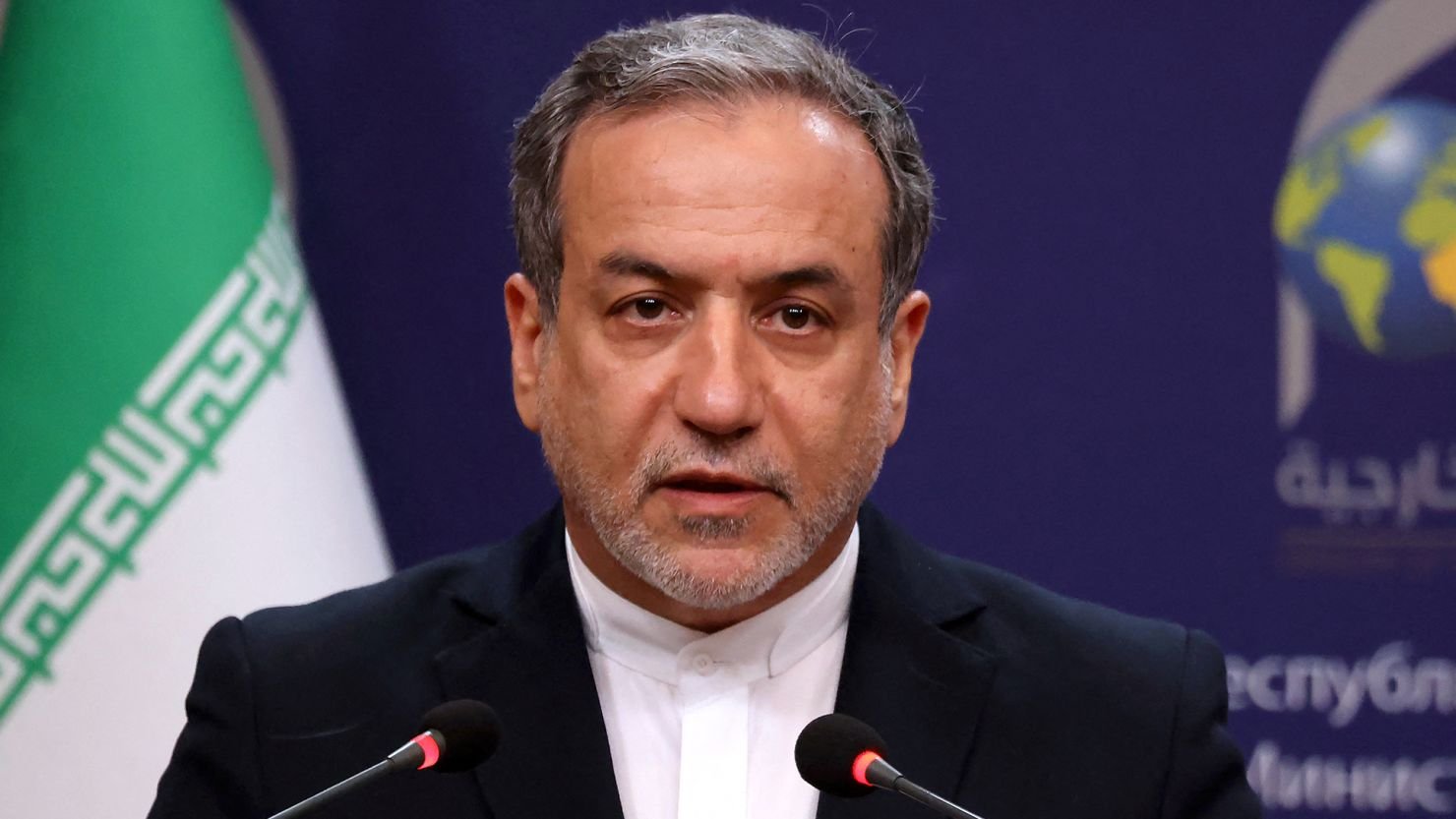

Iran Denies Direct Talks With US after Foreign Minister Abbas Araghchi clarified that Tehran is not currently engaged in direct negotiations with Washington. His remarks come amid renewed speculation about possible diplomatic contacts between the two countries following recent regional developments and international efforts to reduce tensions.
Speaking to the media, Araghchi emphasized that reports suggesting direct negotiations between Iran and the United States are inaccurate. He reiterated that Iran’s diplomatic position remains unchanged and that any communication with the United States, when necessary, has been conducted through indirect channels.
The statement has attracted global attention because relations between Tehran and Washington continue to play an important role in Middle Eastern security, international diplomacy, and global energy markets.
Abbas Araghchi Rejects Reports of Direct Negotiations
Foreign Minister Abbas Araghchi stated that there are no direct negotiations with the United States at present.
His comments were made in response to media reports that suggested diplomatic contacts between the two countries had increased. According to Araghchi, Iran has not changed its approach regarding direct engagement with Washington.
He explained that indirect communication through intermediaries has remained the preferred method whenever discussions are required on specific issues.
The clarification was closely watched by diplomats and international observers.
Iran’s Diplomatic Position
Iran has consistently maintained that formal direct negotiations with the United States depend on broader political and diplomatic conditions.
Officials in Tehran have repeatedly stated that trust must be rebuilt before meaningful progress can be achieved in bilateral relations.
Iran has also stressed that diplomacy remains an important tool for resolving disputes, provided that national interests are respected.
This position has been repeated on several occasions by senior Iranian officials.
Indirect Communication Continues
Although direct negotiations have been denied, indirect diplomatic communication has continued through third-party mediators in recent years.
Countries such as Oman and Qatar have frequently played facilitating roles during discussions between Iran and the United States.
These indirect channels have been used to address issues including regional security, humanitarian matters, and nuclear-related discussions.
Diplomatic experts say such arrangements are common when formal bilateral relations remain limited.
Background of Iran-US Relations
Relations between Iran and the United States have remained complicated for decades.
Disagreements over Iran’s nuclear program, regional security, sanctions, and broader geopolitical issues have contributed to long-standing tensions.
Despite these challenges, periods of indirect diplomacy have occasionally led to agreements on specific issues.
However, comprehensive normalization of relations has not been achieved.
Why the Statement Matters
Araghchi’s comments come at a time when international attention remains focused on the Middle East.
Recent diplomatic activity involving Gulf countries, ongoing discussions about regional stability, and developments in maritime security have fueled speculation about possible negotiations.
By denying direct talks, Iran has sought to clarify its current diplomatic position and reduce confusion created by recent reports.
The statement also sends a message to both domestic and international audiences regarding Tehran’s negotiating approach.
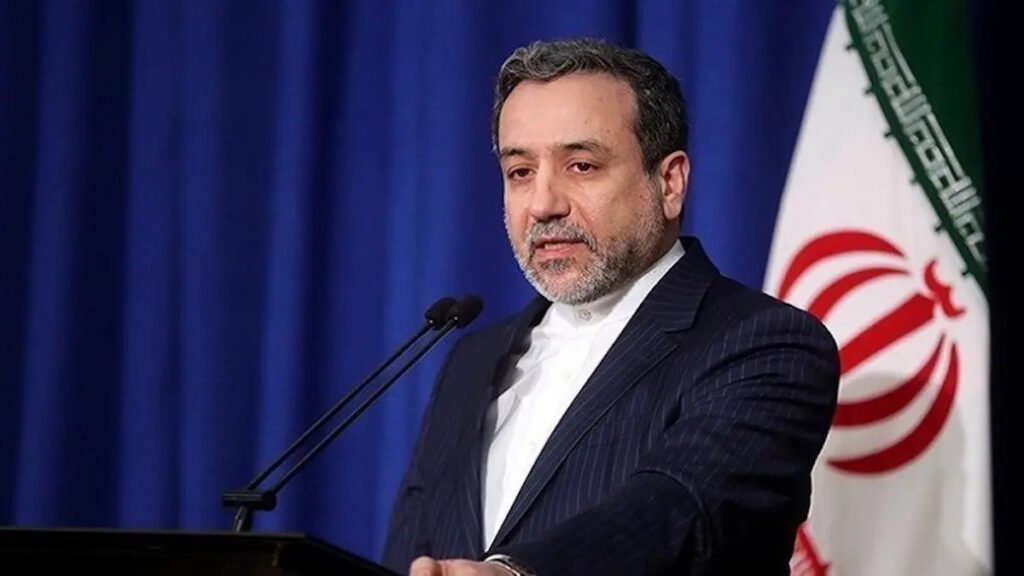
International Reactions
Governments and analysts are closely monitoring Iran’s latest statement.
Several countries continue encouraging dialogue between Tehran and Washington to reduce regional tensions and promote stability.
International observers believe diplomatic communication, whether direct or indirect, remains important for addressing complex regional challenges.
Many experts have emphasized that sustained dialogue can help prevent misunderstandings.
Impact on Regional Stability
Iran-US relations influence many issues beyond bilateral diplomacy.
Developments between the two countries often affect regional security, maritime navigation, energy markets, and international trade.
Any change in diplomatic engagement is therefore closely followed by governments, investors, and security analysts worldwide.
Araghchi’s clarification may reduce speculation but does not eliminate the possibility of future diplomatic efforts.
Energy Markets Watching Closely
Global energy markets frequently react to developments involving Iran and the United States.
The Middle East remains one of the world’s most important energy-producing regions, and diplomatic developments can influence market sentiment.
Although Araghchi denied direct negotiations, investors continue monitoring regional diplomacy for signs of future progress.
Stable diplomatic relations generally contribute to greater confidence in global markets.
Challenges Ahead
Several obstacles continue affecting relations between Tehran and Washington.
Economic sanctions, regional security concerns, and differences over nuclear policy remain major points of disagreement.
Experts believe meaningful progress would require sustained diplomatic engagement and confidence-building measures from all sides.
Achieving long-term stability will likely take time.
What Could Happen Next?
Diplomatic observers expect indirect contacts between Iran and international partners to continue.
Regional mediators may remain involved in facilitating communication whenever necessary.
While direct negotiations have been ruled out for now, international diplomacy often evolves as political circumstances change.
Future developments will depend on decisions made by both governments and the broader international community.
Conclusion
The statement that Iran Denies Direct Talks With US reflects Tehran’s current diplomatic position as explained by Foreign Minister Abbas Araghchi. By rejecting reports of direct negotiations, Iran has clarified that communication with Washington continues, when necessary, through indirect channels rather than formal bilateral talks.
Read Also | Iran Says Strait of Hormuz Deal With Oman Is Nearing Completion









Leave a comment