

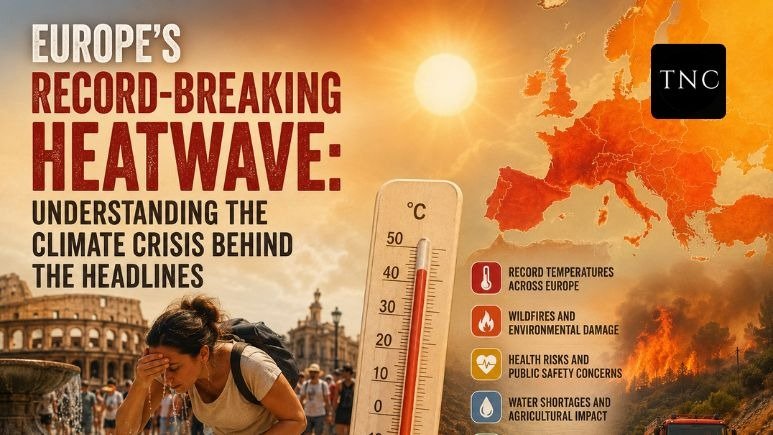

Europe is facing one of the most severe heatwaves in its recorded history. Across multiple countries, temperatures have soared to unprecedented levels, forcing governments to issue emergency warnings, close public spaces, and implement measures to protect vulnerable populations. From overwhelmed healthcare systems to disruptions in transportation and agriculture, the effects of the extreme heat are being felt across the continent.
While heatwaves have always been a part of natural weather patterns, the intensity, frequency, and duration of these events are raising serious concerns among scientists and policymakers. The 2026 European heatwave is not simply another summer weather story—it is a powerful reminder of the growing climate crisis affecting communities worldwide.
A Summer of Record-Breaking Temperatures
This year’s heatwave has shattered temperature records across several European countries. Cities that are accustomed to warm summers have experienced conditions more commonly associated with some of the hottest regions on Earth.
In many areas, temperatures have exceeded 40°C (104°F), creating dangerous conditions for residents, particularly the elderly, children, and individuals with pre-existing health conditions. Public health authorities have urged people to stay indoors, remain hydrated, and avoid outdoor activities during peak heat hours.
The extreme temperatures have also strained energy systems as demand for air conditioning and cooling solutions surged. Transportation networks have experienced delays due to heat-related damage to roads and rail infrastructure, while schools and public institutions have been forced to adjust operations.
These challenges highlight how modern societies remain vulnerable to the growing impact of extreme weather events.
The Science Behind the Heatwave
Scientists have long warned that climate change would increase the likelihood of extreme weather events, including intense heatwaves. As greenhouse gas emissions continue to warm the planet, average global temperatures are rising, creating conditions that make severe heat events more frequent and more intense.
The Earth’s atmosphere acts like a blanket, trapping heat generated by the sun. Human activities such as burning fossil fuels, deforestation, and industrial emissions have increased the concentration of greenhouse gases, causing more heat to remain within the atmosphere.
As a result, heatwaves that were once considered rare are becoming increasingly common.
Researchers emphasize that while individual weather events cannot be attributed solely to climate change, the broader warming trend significantly increases the probability and severity of extreme heat episodes.
The European heatwave of 2026 is widely viewed as another example of this troubling pattern.
Human Health Under Threat
One of the most immediate consequences of extreme heat is its impact on public health. Heat-related illnesses such as heat exhaustion and heatstroke can become life-threatening if not treated quickly.
Hospitals across affected regions have reported increased admissions linked to high temperatures. Vulnerable populations, including older adults and people with chronic medical conditions, face the greatest risks.
Beyond physical health, prolonged heat exposure can also affect mental well-being. Studies have shown that extreme temperatures can contribute to stress, anxiety, sleep disturbances, and reduced productivity.
As heatwaves become more frequent, healthcare systems will need to adapt to meet growing challenges associated with climate-related emergencies.
Economic and Environmental Consequences
The impact of Europe’s heatwave extends far beyond public health.
Agriculture has been particularly affected, with farmers facing crop stress, water shortages, and reduced yields. Heat and drought conditions threaten food production and may contribute to rising food prices in the months ahead.
Wildfires have also become a major concern. Dry vegetation combined with high temperatures creates ideal conditions for fires to spread rapidly. Several European countries have already deployed emergency services to combat wildfire outbreaks and protect communities.
Tourism, a key economic sector for many European nations, has also experienced disruptions. Popular destinations have faced operational challenges as authorities implement safety measures to protect visitors and residents.
The cumulative economic costs of climate-related disasters continue to rise, placing additional pressure on governments and businesses.
Why Cities Are Especially Vulnerable
Urban areas are particularly susceptible to extreme heat due to what experts call the “urban heat island effect.” Concrete, asphalt, and buildings absorb and retain heat, causing cities to become significantly warmer than surrounding rural areas.
Many European cities were designed long before climate adaptation became a priority. As temperatures continue to rise, urban planners face growing pressure to redesign public spaces, expand green infrastructure, and improve cooling systems.
Investments in parks, tree planting, sustainable building materials, and heat-resistant infrastructure are becoming increasingly important for protecting residents from future heatwaves.
A Global Warning Sign
Although the current crisis is centered in Europe, its implications are global. Extreme heat events are becoming more common in many parts of the world, including North America, Asia, Africa, and Australia.
Climate scientists warn that without significant reductions in greenhouse gas emissions, future heatwaves could become even more severe. The consequences would affect food security, public health, biodiversity, water resources, and economic stability.
The European heatwave serves as a reminder that climate change is not a distant threat—it is a present-day reality affecting millions of people.
Looking Ahead
Europe’s record-breaking heatwave is more than a headline; it is a clear signal of a changing climate. The challenges facing the continent today may become increasingly common if meaningful action is not taken to address global warming.
Governments, businesses, and individuals all have a role to play in reducing emissions, supporting sustainable development, and building resilience against future climate-related emergencies.
While adaptation measures can help communities cope with rising temperatures, long-term solutions require collective efforts to tackle the root causes of climate change.
The events unfolding across Europe in 2026 offer an important lesson for the world: climate action is no longer optional. It is essential for protecting lives, economies, and future generations from the growing risks of a warming planet.
________________________________________________________________________
Title: Europe’s Record-Breaking Heatwave: Understanding the Climate Crisis Behind the Headlines
Meta Description:
Europe is experiencing record-breaking temperatures and climate-related emergencies. Discover the causes, impacts, and long-term implications of the 2026 heatwave and what it reveals about the global climate crisis.














Leave a comment