


The crackle of flames echoed across a quiet village in Manipur’s Kangpokpi district before dawn. Residents rushed from their homes as gunfire shattered the silence, turning an ordinary night into another chapter in the state’s long-running cycle of violence.
By sunrise, three civilians from the Kuki community were dead and seven houses had been reduced to charred remains. Authorities suspect the attack was carried out by armed militants, though investigations are still underway.
The latest incident has intensified concerns that Manipur’s fragile peace remains vulnerable to renewed ethnic tensions. For communities living in the state’s hill districts, the violence is more than a headline it is a continuing reality marked by fear, displacement, and uncertainty.
According to local reports, armed attackers entered the affected area and opened fire, triggering panic among villagers. Several families fled to safer locations as houses were set ablaze. Emergency responders and security personnel were later deployed to secure the area and prevent further escalation.
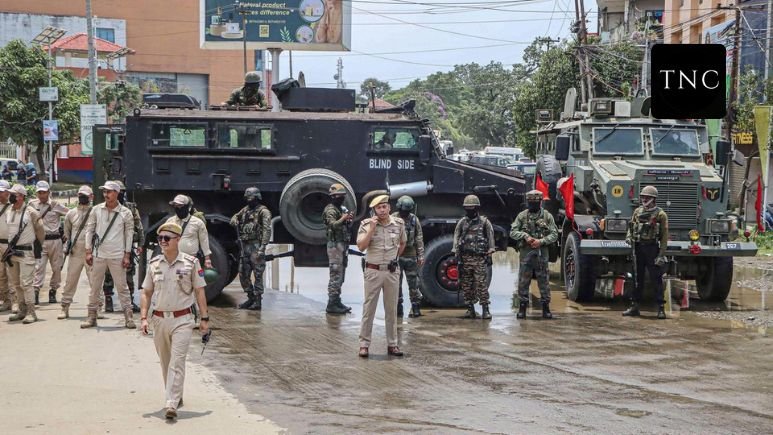
The attack comes amid a broader pattern of sporadic clashes and targeted assaults that have continued across Manipur despite repeated security operations. Over the past months, multiple incidents involving civilian casualties, arson, and alleged militant activity have been reported from different districts, underscoring the challenges facing law enforcement agencies in restoring lasting stability.
Manipur has remained deeply divided since ethnic violence first erupted in 2023 between the Meitei and Kuki-Zo communities. The conflict has claimed hundreds of lives, displaced tens of thousands of residents, and left many villages fragmented along ethnic lines. Security forces have established buffer zones in several sensitive areas, but isolated attacks continue to threaten efforts toward reconciliation.
Local leaders have urged authorities to identify those responsible and strengthen protection for vulnerable communities. Residents, meanwhile, fear that each new attack risks triggering retaliatory violence and further widening the distrust that has taken root across the region.
For the families who lost loved ones and homes, the tragedy is measured not only in statistics but in shattered livelihoods and uncertain futures. As investigators piece together what happened in Kangpokpi, many in Manipur are asking a broader question: how many more lives will be disrupted before peace takes hold?
The Kangpokpi attack is a stark reminder that despite periods of relative calm, Manipur’s ethnic conflict remains unresolved. Until security, accountability, and political reconciliation move forward together, communities across the state will continue to live under the shadow of violence.












Leave a comment