

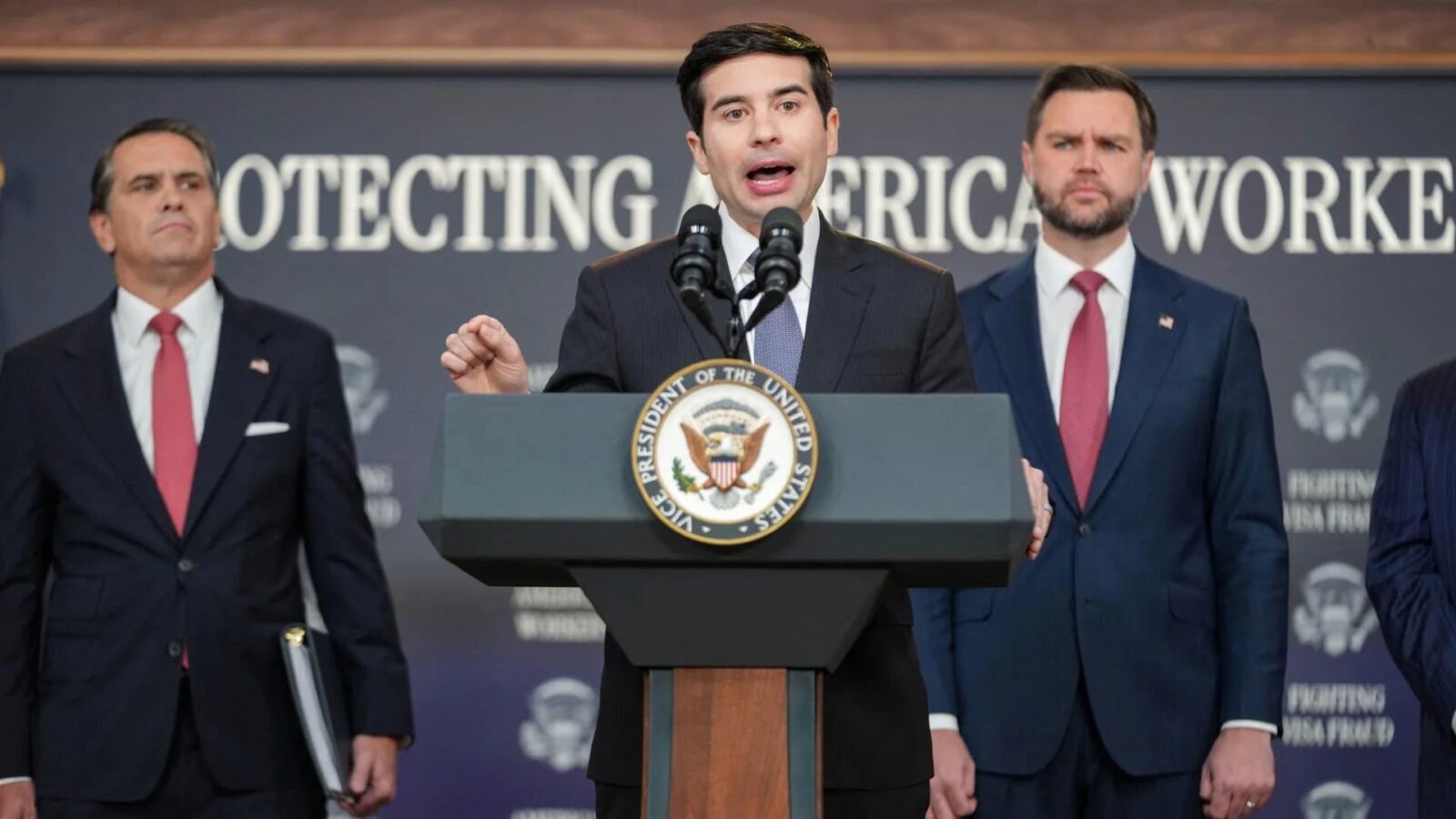

The US green card suspension has created fresh uncertainty for thousands of foreign technology professionals, especially Indian workers hoping to settle permanently in the United States.
On October 8, 2026, the Donald Trump administration announced that several major technology companies would be suspended from the Permanent Labor Certification (PERM) programme. The affected companies include Tata Consultancy Services (TCS), Infosys, Wipro, HCL Technologies, Cognizant, Capgemini, Microsoft and Adobe.
The decision means these companies cannot currently use the PERM process to sponsor eligible foreign employees for permanent residency. However, the suspension does not automatically cancel existing green cards or H-1B visas.
The move is part of the US government’s wider efforts to examine foreign-worker hiring practices and protect employment opportunities for American workers.
Why Has the US Suspended Green Card Processing?
The US Department of Labor announced the restrictions amid investigations into alleged misuse of employment-based immigration programmes.
US Vice President JD Vance and Labor Secretary Keith Sonderling raised concerns about companies employing foreign workers while American employees were facing layoffs.
The administration argues that immigration programmes should not be used to replace qualified American workers or reduce wages.
Microsoft was specifically criticised over its hiring and layoff practices. Officials questioned why large technology companies continued sponsoring foreign workers while cutting jobs in the United States.
However, these are allegations and concerns raised by the administration. They should not be treated as proven violations by every company named in the announcement.
The government has indicated that investigations and compliance reviews will continue.
Which IT Companies Are Affected?
The US green card suspension covers eight major technology and IT services companies:
- Tata Consultancy Services (TCS)
- Infosys
- Wipro
- HCL Technologies
- Cognizant
- Capgemini
- Microsoft
- Adobe
Several of these companies have significant operations in India and employ large numbers of technology professionals working on international projects.
The restrictions could create difficulties for employees who depend on employer sponsorship to obtain permanent residency in the United States.
What Is the PERM Green Card Programme?
PERM stands for Program Electronic Review Management. It is the system used for permanent labor certification, an important step in many employment-based green card applications.
Before sponsoring a foreign employee through certain green card categories, a US employer generally must demonstrate that it has followed the required recruitment process and that hiring the foreign worker will not negatively affect wages and working conditions for similarly employed American workers.
The usual process includes:
- The employer completes the required recruitment and labor certification steps.
- The Department of Labor reviews the PERM application.
- After certification, the employer may file an immigrant petition.
- The employee can pursue permanent residency when eligible and when an immigrant visa is available.
PERM approval does not itself grant a green card. It is one stage of a longer immigration process.
The latest suspension affects this important certification stage for the companies involved.
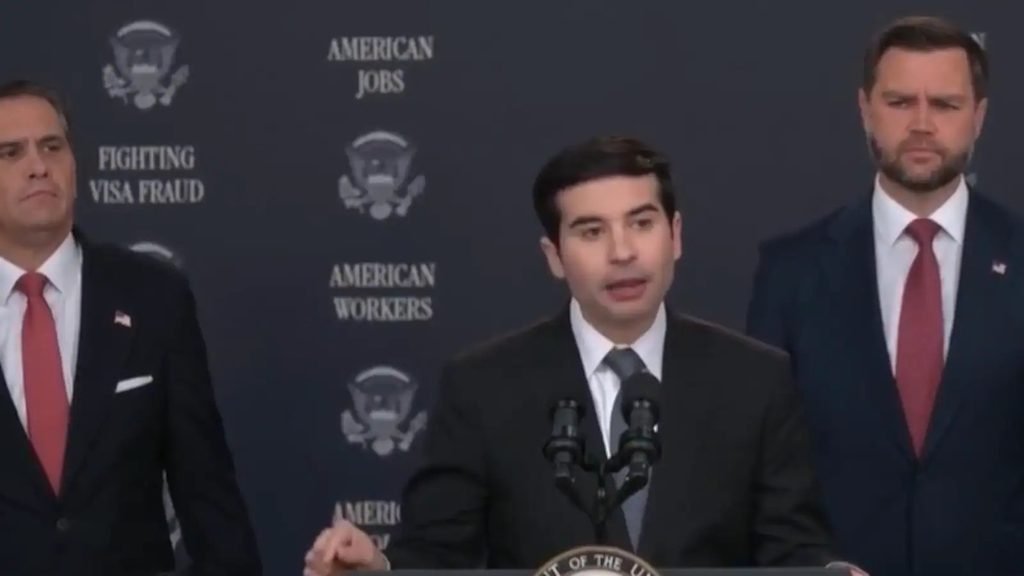
How Will the Decision Affect Indian IT Professionals?
Indian technology workers could be among those most affected by the US green card suspension.
Many Indian professionals initially move to the United States through the H-1B visa programme, which allows eligible foreign workers to take specialised jobs.
Some later seek permanent residency through employer-sponsored green card applications.
With PERM processing suspended for the affected companies, employees may experience delays in moving forward with their immigration plans.
Workers whose applications are already pending could also face uncertainty because the Department of Labor has said it will stop processing affected PERM cases during the suspension.
For professionals approaching important visa deadlines, such delays could make long-term career and family planning more complicated.
However, the exact impact will depend on each worker’s immigration status, application stage and eligibility for other options.
Does This Mean H-1B Visas Are Cancelled?
No. The PERM suspension and the H-1B visa programme are different.
An H-1B visa allows eligible foreign professionals to work temporarily in the United States, while an employment-based green card provides a route to permanent residency.
The government’s announcement does not automatically cancel existing H-1B status or revoke green cards already issued to employees.
Affected companies may still employ eligible workers under applicable temporary visa rules.
The main restriction concerns their ability to use PERM for employment-based permanent residency sponsorship.
This distinction is important because the suspension does not mean every Indian employee working in the United States must leave the country.
What Does This Mean for India’s IT Industry?
The United States is an important market for India’s technology services industry.
Companies such as TCS, Infosys, Wipro and HCLTech serve American businesses across banking, healthcare, retail, manufacturing and other industries.
The new restrictions could encourage companies to review their immigration sponsorship practices, expand local recruitment or reconsider how they manage international assignments.
Indian technology professionals may also examine alternative career opportunities or immigration pathways.
However, the long-term business impact remains uncertain and will depend on how the investigations develop.
Industry body Nasscom has indicated that the direct impact may be limited because Indian IT companies have increasingly hired local workers and reduced their dependence on certain visa routes.
What Happens Next?
The future of the PERM restrictions will depend on the US government’s investigations and any further regulatory or legal developments.
Affected employers may need to demonstrate compliance with labor certification requirements before their participation is restored.
Employees awaiting permanent residency sponsorship should monitor official announcements and seek qualified immigration advice before making decisions about their visa status.
For now, the US green card suspension represents a significant change in employment-based immigration policy for several major technology companies.
Conclusion
The US decision to suspend PERM processing for TCS, Infosys, Wipro, HCL Technologies, Microsoft and other major IT companies has raised concerns among foreign technology professionals.
Although the restrictions do not automatically cancel H-1B visas or existing green cards, they could delay permanent residency plans for eligible employees.
As investigations continue, Indian IT professionals and technology companies will be watching closely for further developments.
Also Read | Houthi Attack on Riyadh Airport: Why Saudi Arabia Is Facing a New Security Threat












Leave a comment