

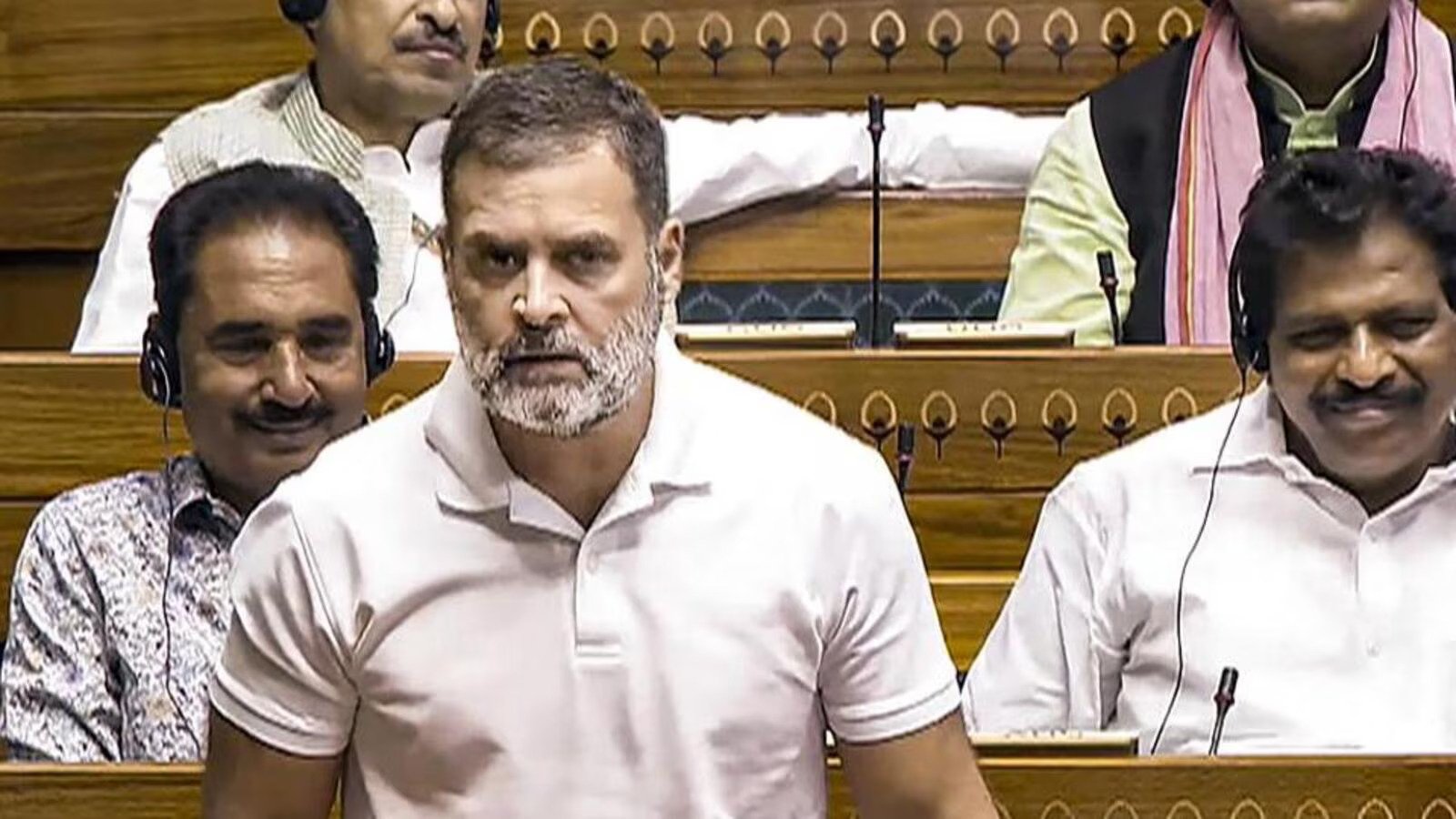

The issue of exam paper leaks dominated proceedings in Parliament as the Opposition and the Government engaged in a heated debate over the security of competitive examinations in India. The discussion focused on protecting the interests of students, improving the examination system, and ensuring accountability for those responsible for leaks.
With millions of students appearing for national-level entrance and recruitment examinations every year, lawmakers from both sides stressed that maintaining the integrity of these tests is crucial for public confidence. However, they differed on the reasons behind repeated incidents and the measures needed to prevent them.
The debate highlighted growing concerns over examination security and the need for long-term reforms to safeguard the future of India’s youth.
Opposition Demands Accountability
Opposition members questioned the government’s handling of recent examination leak cases, arguing that repeated incidents have affected the confidence of students and parents across the country.
Several leaders called for a detailed discussion in Parliament and demanded greater transparency regarding investigations into paper leak cases. They also urged the government to explain what steps had been taken to prevent similar incidents in future examinations.
According to Opposition members, deserving students should never suffer because of weaknesses in the examination system.
They also requested:
- Faster investigations
- Transparent reporting of findings
- Stronger monitoring of examination centres
- Better protection of confidential question papers
- Strict punishment for those involved in organized cheating networks
The Opposition maintained that restoring trust among students should be treated as a national priority.
Government Defends Its Actions
Responding to the criticism, government representatives said that examination integrity remains one of their highest priorities.
They informed Parliament that investigations into paper leak cases are being carried out by relevant agencies and that strict action is being taken wherever evidence of wrongdoing is found.
Government ministers also highlighted recent initiatives aimed at strengthening examination security, including improved technology, better coordination among agencies, and tougher legal provisions against organized paper leak networks.
According to the government, reforms are already underway to make national-level examinations more secure and transparent.
Students Remain at the Centre of the Debate
Members from across the political spectrum agreed that students should not become victims of examination malpractice.
Every year, millions of candidates prepare for highly competitive examinations, investing significant time, effort, and financial resources. When examination irregularities occur, students often face uncertainty, stress, and delays in admissions or recruitment.
Many lawmakers emphasized that restoring confidence among students must remain the primary objective of any reform.
Calls for Stronger Examination Reforms
During the debate, several proposals were discussed to improve examination security across the country.
Suggested reforms included:
- End-to-end encryption of question papers
- Artificial intelligence-based monitoring
- Biometric verification of candidates
- CCTV surveillance at examination centres
- Better cybersecurity systems
- Secure transportation of examination materials
- Faster response teams for suspected malpractice
- Independent audits of examination processes
Education experts believe that combining technology with strict administrative oversight could significantly reduce opportunities for paper leaks.
Importance of Transparent Investigations
Another major issue raised during the parliamentary discussion was the need for transparent investigations.
Several lawmakers argued that whenever examination irregularities are suspected, authorities should communicate promptly with students and parents regarding the progress of investigations.
Clear communication, they said, helps reduce misinformation and prevents unnecessary anxiety among candidates awaiting examination results.
Officials also stressed that legal action should be based on verified evidence while ensuring due process.
Technology Can Strengthen Exam Security
Experts increasingly recommend using advanced technology to improve examination management.
Possible solutions include:
- Digital encryption systems
- Secure cloud-based distribution
- AI-powered surveillance
- Facial recognition verification
- Blockchain-based record management
- Real-time monitoring dashboards
Such technologies may help authorities identify suspicious activities quickly while improving the efficiency of examination administration.
Political Differences, Shared Concern
Although government and Opposition leaders disagreed on responsibility for recent incidents, both sides acknowledged the importance of protecting students’ interests.
Lawmakers agreed that competitive examinations play a critical role in higher education admissions and government recruitment. Ensuring fairness is therefore essential for maintaining public trust.
Several members suggested that examination reforms should receive bipartisan support rather than becoming a purely political issue.
Legal Action Against Offenders
The government reiterated that individuals found responsible for paper leaks would face strict legal consequences.
Authorities continue to investigate suspected organized networks involved in examination malpractice. Law enforcement agencies have conducted arrests in several cases, while investigations remain ongoing in others.
Officials emphasized that stronger legal enforcement is necessary to deter future attempts to compromise examination integrity.
Public Confidence Must Be Restored
Education specialists believe that confidence in the examination system depends on three key factors:
- Fairness
- Transparency
- Accountability
Students and parents expect examinations to be conducted without manipulation or unfair advantage. Any failure in these areas can weaken trust in educational institutions.
Experts recommend continuous security reviews, staff training, and regular updates to examination protocols.
Looking Ahead
The parliamentary debate is expected to influence future education policy discussions.
Government agencies are likely to continue reviewing examination procedures while considering additional reforms to strengthen security and improve transparency.
Education experts have welcomed the renewed focus on examination governance and hope that future policies will provide greater protection for students.
Conclusion
The Parliament exam leaks debate underscored the seriousness of protecting India’s examination system. While the Opposition demanded greater accountability and transparency, the Government defended its ongoing reforms and investigations.
Despite political differences, both sides agreed that students deserve a fair, secure, and transparent examination process. As discussions continue, policymakers are expected to focus on stronger technology, improved security measures, and stricter legal action against those responsible for examination malpractice.
The outcome of these reforms will play a significant role in restoring public confidence and ensuring that every student’s success is determined by merit rather than irregularities.
Also Read / PM Modi: NEET Paper Leak a National Responsibility













Leave a comment