

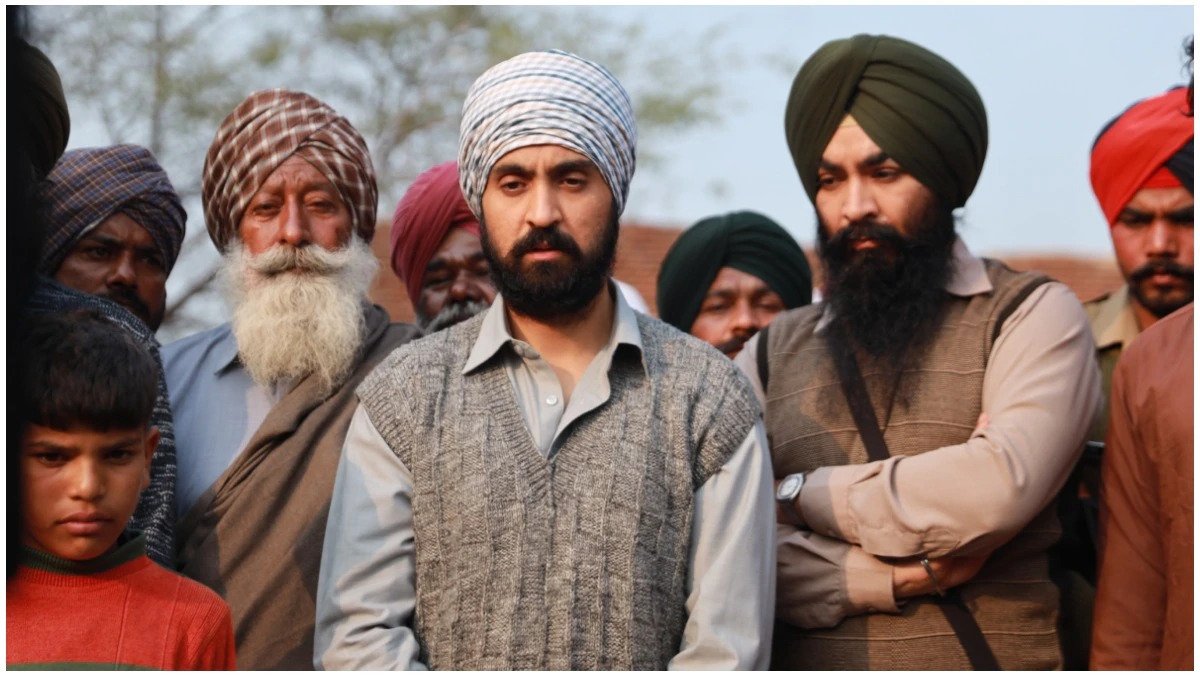

The entertainment industry has once again found itself at the center of public debate after the reported removal of Satluj from a major OTT platform. Adding to the conversation, Punjabi superstar Diljit Dosanjh addressed the controversy, stating that the situation was “bound to happen.”
His comments have sparked discussions among fans, industry experts, and content creators about the challenges facing digital entertainment platforms today. As OTT services continue to grow in popularity, the balance between creative freedom, audience sensitivities, platform policies, and regulatory concerns has become increasingly complex.
The controversy surrounding Satluj is not just about a single title being removed. It highlights broader questions about content moderation, artistic expression, and the evolving relationship between creators and streaming platforms.
Diljit Dosanjh’s Reaction
Diljit Dosanjh is known for his straightforward and often thoughtful observations on industry matters. When asked about the removal of Satluj, he reportedly suggested that the controversy was not entirely unexpected.
By saying it was “bound to happen,” Dosanjh appeared to acknowledge the growing scrutiny that digital content faces in today’s media landscape. His remarks indicate an awareness of the challenges creators encounter when producing content that may attract differing opinions from audiences, regulators, or platform decision-makers.
Rather than expressing surprise, Dosanjh’s response reflected a realistic view of how modern entertainment platforms operate and the pressures they face.
The Rise of OTT Platforms
Over the past decade, OTT platforms have transformed the way audiences consume entertainment. Streaming services have provided filmmakers and creators with opportunities to tell diverse stories, reach global audiences, and experiment with content that may not fit traditional television or cinema formats.
This creative freedom has contributed to the rapid growth of regional cinema, independent productions, and niche storytelling.
Punjabi content, in particular, has seen significant growth on digital platforms. Artists like Diljit Dosanjh have played an important role in bringing Punjabi cinema and music to wider audiences, both in India and internationally.
However, with greater reach comes greater scrutiny.
As streaming services become mainstream, content decisions are increasingly examined by viewers, advocacy groups, regulators, and social media users.
Why Content Gets Removed
There are several reasons why streaming platforms may choose to remove content from their libraries.
In some cases, legal issues or licensing agreements may affect a title’s availability. In others, platforms may respond to audience concerns, regulatory developments, contractual obligations, or reputational considerations.
The decision to remove content is rarely straightforward. Streaming services must balance artistic freedom with business interests, legal compliance, and audience expectations.
For viewers, the sudden removal of a film or series can be frustrating, especially when the reasons are not immediately clear. This often leads to speculation and debate across social media platforms.
The Satluj controversy appears to have reignited discussions about transparency and accountability in the digital entertainment industry.
The Debate Over Creative Freedom
One of the most important questions raised by the controversy concerns creative freedom.
Many artists argue that storytelling should be protected from excessive interference and that creators should have the freedom to explore challenging themes and perspectives.
Supporters of artistic expression believe that diverse viewpoints contribute to meaningful cultural conversations and help audiences engage with complex issues.
At the same time, critics argue that content creators and platforms have responsibilities toward audiences and must consider the potential social impact of their work.
This ongoing tension between freedom and responsibility is not unique to Satluj. Similar debates have emerged across global entertainment industries, affecting films, television series, documentaries, and digital content.
The Role of Social Media
Social media has significantly changed the way entertainment controversies unfold.
In the past, discussions about content decisions were often limited to industry circles and traditional media outlets. Today, a single announcement can generate thousands of reactions within minutes.
Fans, critics, journalists, influencers, and public figures all contribute to shaping the narrative surrounding a controversy.
As a result, streaming platforms face greater public pressure than ever before. Decisions regarding content availability can quickly become trending topics, attracting attention far beyond the original audience.
The Satluj situation demonstrates how rapidly digital conversations can influence public perception and industry discourse.
What This Means for the Entertainment Industry
The controversy highlights the challenges facing OTT platforms as they continue to expand their influence.
Streaming services are no longer simply content distributors. They have become major cultural gatekeepers responsible for managing vast libraries of entertainment while navigating diverse audience expectations.
For creators, the situation serves as a reminder that digital success often comes with increased visibility and scrutiny.
For platforms, it underscores the importance of maintaining clear policies, transparent communication, and consistent decision-making processes.
As the OTT industry evolves, finding the right balance between innovation, freedom, and responsibility will remain a critical challenge.
Diljit Dosanjh’s Growing Influence
Diljit Dosanjh’s comments carry weight because of his unique position in the entertainment world.
As one of the most successful Punjabi artists globally, he has consistently bridged regional and mainstream entertainment markets. His ability to connect with audiences across languages and cultures has made him a respected voice within the industry.
By acknowledging that the controversy was “bound to happen,” Dosanjh highlighted the realities of modern content creation without escalating the debate.
His perspective reflects a broader understanding of the rapidly changing entertainment landscape.
Looking Ahead
The removal of Satluj may continue to generate discussion in the coming weeks, but its significance extends beyond a single title or platform.
The controversy raises important questions about creative freedom, platform accountability, audience expectations, and the future of digital entertainment. As OTT platforms become increasingly influential, these conversations are likely to become more frequent.
Diljit Dosanjh’s reaction serves as a reminder that controversies in the streaming era are often shaped by complex factors rather than simple decisions. Whether one agrees or disagrees with the removal, the debate highlights the evolving relationship between creators, platforms, and audiences.
As the entertainment industry adapts to changing technologies and viewer expectations, the lessons from the Satluj controversy will likely remain relevant for years to come.












Leave a comment