

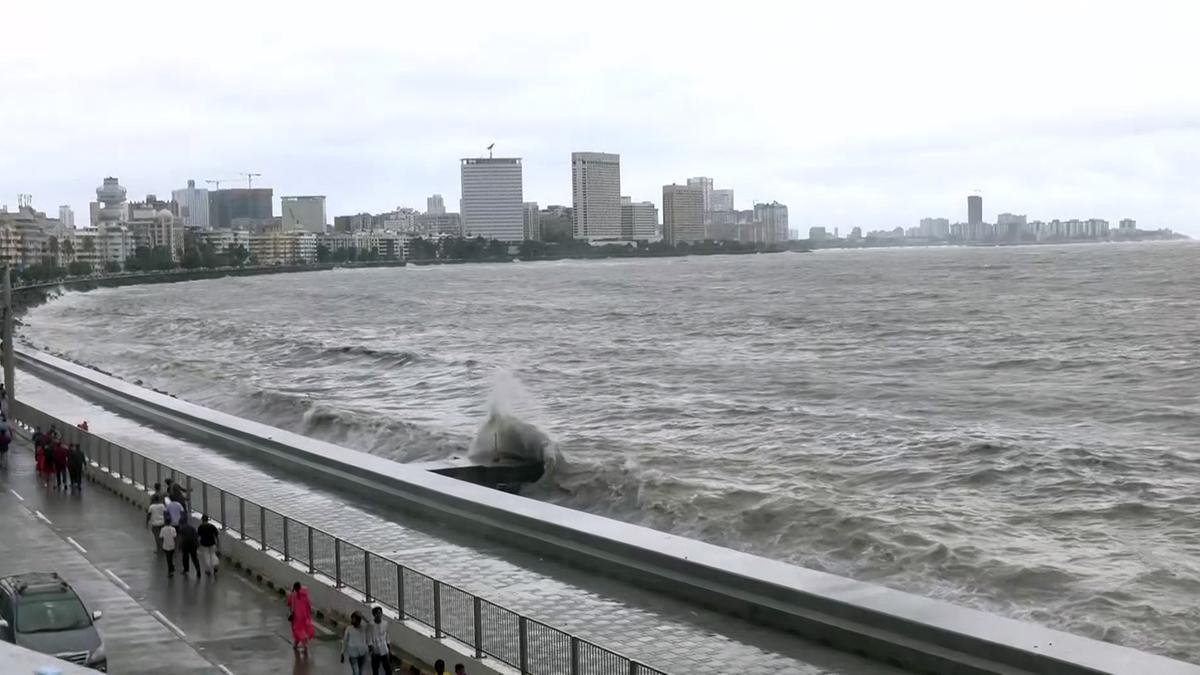

Mumbai, India’s financial capital, is once again facing the full force of the monsoon season. The India Meteorological Department (IMD) has issued a red alert for the city following intense rainfall that has led to waterlogging, transportation disruptions, and growing concerns about urban flooding.
Every year, Mumbai experiences heavy monsoon showers, but the intensity of recent rainfall has highlighted the city’s vulnerability to extreme weather events. With more rain expected in the coming days, authorities have urged residents to remain cautious and stay updated on official weather advisories.
What Does a Red Alert Mean?
A red alert is the highest level of weather warning issued by meteorological authorities. It indicates the possibility of extremely heavy rainfall and potentially dangerous conditions that could affect public safety and daily life.
When a red alert is issued, residents are advised to avoid unnecessary travel, stay indoors whenever possible, and prepare for possible disruptions to transportation, electricity, and essential services.
For a city as densely populated as Mumbai, even a few hours of intense rainfall can have significant consequences. Roads can become submerged, railway services may face delays, and low-lying areas are often at risk of flooding.
Heavy Rainfall Across the City
Several parts of Mumbai have recorded substantial rainfall within a short period. Areas that typically experience waterlogging during the monsoon have once again reported flooded streets, making commuting difficult for residents.
The city’s drainage infrastructure faces immense pressure during periods of continuous heavy rain. When rainfall exceeds the capacity of drainage systems, water accumulates rapidly, leading to traffic congestion and disruptions across various parts of the city.
Public transportation, which serves millions of passengers daily, is often among the first sectors affected. Delays in suburban train services, bus routes, and road traffic can impact businesses, schools, and essential services.
Growing Flooding Risks
Flooding remains one of the biggest concerns during Mumbai’s monsoon season. The combination of heavy rainfall, high tides, and inadequate drainage in certain areas increases the likelihood of urban flooding.
Low-lying neighborhoods are particularly vulnerable. Water can enter homes, shops, and offices, causing property damage and disrupting daily activities. In severe cases, flooding can also pose risks to public health by contaminating water supplies and creating conditions favorable for the spread of waterborne diseases.
Emergency response teams are often deployed to monitor vulnerable areas and assist residents affected by rising water levels.
Impact on Daily Life
Heavy rainfall affects nearly every aspect of life in Mumbai. Office workers face extended commute times, students may experience school closures, and businesses often encounter operational challenges.
Air travel can also be affected by adverse weather conditions. Reduced visibility and waterlogged runways may lead to flight delays or cancellations, impacting both domestic and international travelers.
For small businesses and daily wage workers, prolonged weather disruptions can result in financial losses. Markets, street vendors, and local commercial activities often slow down significantly during periods of severe rainfall.
Despite these challenges, Mumbai’s residents have developed a reputation for resilience and adaptability, continuing their routines even under difficult circumstances.
Is Climate Change Making Things Worse?
Climate experts suggest that extreme rainfall events are becoming more frequent and intense in many parts of the world, including India. Rising global temperatures contribute to changes in weather patterns, increasing the atmosphere’s capacity to hold moisture.
As a result, storms can release larger volumes of rainfall over shorter periods. While monsoon rains are a natural part of Mumbai’s climate, experts warn that climate change may be amplifying the severity of certain weather events.
Urbanization has also played a role. The expansion of concrete surfaces, reduction of natural drainage areas, and pressure on infrastructure can worsen flooding during heavy rainfall.
These factors highlight the importance of long-term investments in climate resilience and sustainable urban planning.
Safety Measures for Residents
During a red alert, public safety should remain the top priority. Authorities recommend several precautions to reduce risks associated with heavy rainfall and flooding:
- Avoid traveling unless absolutely necessary.
- Stay informed through official weather updates and emergency notifications.
- Avoid walking or driving through flooded roads.
- Keep emergency supplies, including drinking water, medicines, and flashlights, readily available.
- Ensure mobile devices remain charged in case of power outages.
- Follow instructions issued by local authorities and disaster management agencies.
Taking simple precautions can significantly reduce risks during severe weather conditions.
Looking Ahead
Mumbai’s annual monsoon season is both a blessing and a challenge. While the rains are vital for water resources and agriculture, extreme rainfall events continue to test the city’s infrastructure and preparedness.
The current red alert serves as a reminder of the growing need for improved drainage systems, flood management strategies, and climate-resilient urban planning. As weather patterns become increasingly unpredictable, cities must adapt to protect residents and minimize economic disruptions.
For now, Mumbai remains on high alert as authorities monitor the evolving weather situation. Residents are encouraged to remain vigilant, prioritize safety, and stay informed through official updates.
As the city navigates another intense monsoon episode, the resilience and spirit of Mumbai’s people continue to shine through, demonstrating their ability to face challenges together even in the most difficult weather conditions.









Leave a comment