

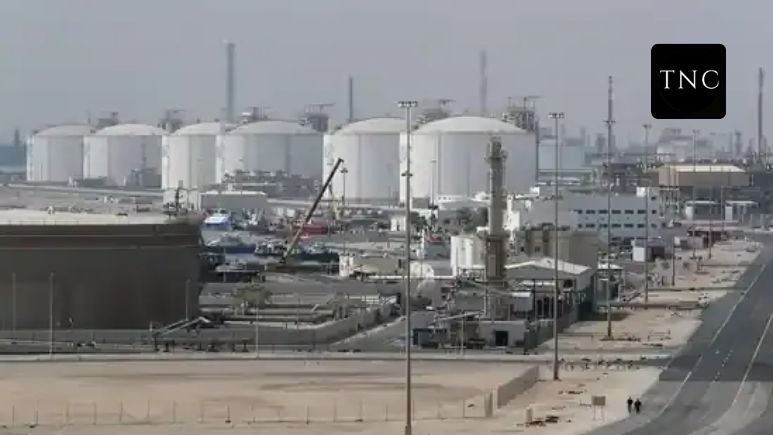

A major explosion at one of Qatar’s key natural gas facilities has left at least 54 people injured and 18 others missing, prompting large-scale rescue operations and raising concerns about energy infrastructure safety. The incident has drawn international attention due to Qatar’s critical role in the global liquefied natural gas (LNG) market.
Emergency responders, industrial safety teams, and government authorities have been working around the clock to assess the damage, assist victims, and determine the cause of the explosion.
As investigations continue, the incident has sparked questions about operational safety standards, potential disruptions to energy supplies, and the broader impact on global energy markets.
A Major Incident at a Strategic Energy Facility
Qatar is one of the world’s largest exporters of liquefied natural gas, making its energy infrastructure vital not only to the national economy but also to international energy security.
The explosion reportedly occurred within a section of a major natural gas processing facility. Witnesses described hearing a powerful blast followed by thick smoke rising above the industrial complex.
Workers in nearby areas were immediately evacuated as emergency protocols were activated.
Initial Reports from the Scene
According to preliminary information, the explosion occurred during operational activities at the facility.
Employees reported a sudden blast that shook surrounding structures and triggered emergency alarms. Within minutes, emergency response teams arrived to secure the site and begin rescue operations.
The force of the explosion reportedly damaged equipment and sections of the facility, making access difficult for rescuers.
Timeline of Events
Explosion Reported
The incident began when a powerful explosion was detected within the natural gas facility.
Workers nearby immediately alerted emergency services while evacuation procedures were initiated.
Emergency Protocols Activated
Safety teams activated emergency shutdown procedures to prevent further damage and reduce operational risks.
Authorities restricted access to the affected zone and established safety perimeters around the facility.
Rescue Teams Deployed
Firefighters, medical responders, and industrial rescue units rushed to the site.
Emergency personnel focused on locating injured workers and searching for individuals reported missing following the explosion.
Casualties Confirmed
Officials later confirmed that at least 54 people sustained injuries ranging from minor wounds to severe trauma.
Authorities also reported that 18 individuals remained unaccounted for, prompting an extensive search-and-rescue effort.
Investigation Begins
Government agencies and technical experts launched an investigation to determine the cause of the explosion and assess the extent of the damage.
Rescue Operations Continue
Search and rescue efforts remain a top priority as authorities work to locate missing individuals.
Emergency teams have deployed specialized equipment, including thermal imaging devices, drones, and structural assessment tools, to assist with recovery operations.
Challenges Facing Rescuers
Rescue crews face several obstacles, including:
- Damaged industrial structures
- Potential gas leaks
- Restricted access areas
- High temperatures and hazardous conditions
- Ongoing safety assessments
Despite these challenges, responders continue their efforts around the clock.
Medical Response
Hospitals and emergency medical facilities have been placed on high alert to treat injured workers.
Medical personnel are providing specialized care for burn injuries, trauma-related conditions, and respiratory complications caused by the explosion.
Health authorities have assured families that all available resources are being utilized to support victims.
Possible Causes Under Investigation
While officials have not yet confirmed the exact cause of the explosion, investigators are examining several possibilities.
Potential factors being considered include:
- Equipment malfunction
- Gas leakage
- Operational error
- Maintenance-related issues
- Industrial safety failures
Authorities have emphasized that it is too early to determine the definitive cause and that a comprehensive technical review is underway.
Importance of Industrial Safety
The incident highlights the importance of strict safety measures within high-risk industrial environments.
Natural gas facilities require extensive monitoring systems, emergency shutdown mechanisms, and regular inspections to minimize risks associated with handling flammable materials.
Experts note that even minor technical failures can have serious consequences in large-scale energy operations.
Impact on Global Energy Markets
The explosion has attracted attention from energy analysts worldwide due to Qatar’s significant role in LNG exports.
Any disruption to production or export operations could influence global energy markets, particularly in regions heavily dependent on LNG imports.
Market Reactions
Investors and commodity traders are closely monitoring developments at the facility.
Energy markets often react to incidents affecting major production centers because supply disruptions can influence prices and market stability.
At this stage, authorities have not provided detailed information regarding the potential impact on production capacity.
Government and Industry Response
Qatari authorities have pledged a thorough investigation and promised transparency regarding the findings.
Government officials expressed concern for the victims and emphasized that safety remains a top priority.
Industry leaders have also offered support for rescue operations while reviewing safety procedures across similar facilities.
Support for Affected Families
Officials have announced assistance programs for injured workers and families of those reported missing.
Counseling services, medical support, and emergency relief measures are expected to be provided as recovery efforts continue.
Lessons for the Energy Sector
Industrial accidents serve as reminders of the importance of proactive risk management and safety compliance.
Key lessons include:
- Conducting regular equipment inspections
- Implementing advanced monitoring systems
- Providing ongoing employee safety training
- Maintaining emergency response readiness
- Strengthening operational safety protocols
These measures can help reduce the likelihood of future incidents and improve emergency preparedness.
Conclusion
The explosion at Qatar’s natural gas hub represents a significant industrial emergency with potentially far-reaching consequences. With 54 people injured and 18 still missing, rescue operations remain the immediate focus of authorities and emergency responders.
As investigations continue, attention will turn toward understanding what caused the explosion and identifying measures to prevent similar incidents in the future.
For now, families await answers, emergency teams continue their critical work, and the global energy industry watches closely as more information emerges from one of the world’s most important natural gas production centers.














Leave a comment