

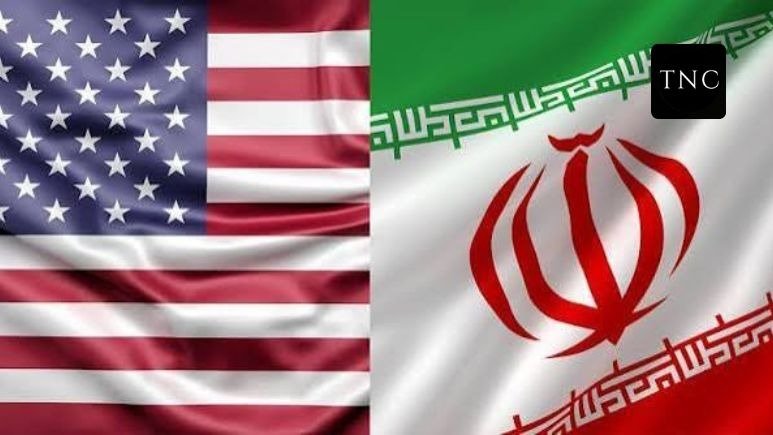

The relationship between the United States and Iran has long been marked by political tensions, economic sanctions, and diplomatic challenges. However, a recent decision by the United States to grant a 60-day oil sanctions waiver to Iran has sparked discussions about a possible shift in relations between the two nations.
The temporary waiver has attracted global attention because of its potential impact on oil markets, regional diplomacy, and international energy security. While the measure is limited in duration, many analysts believe it could represent an important step toward broader diplomatic engagement.
As governments, businesses, and investors closely monitor developments, the decision is already shaping conversations about the future of US-Iran relations and the global energy landscape.
Understanding the 60-Day Oil Sanctions Waiver
Economic sanctions have been one of the primary tools used by the United States to pressure Iran over various geopolitical concerns. These sanctions have significantly affected Iran’s ability to export oil and participate in international markets.
The newly announced 60-day waiver temporarily relaxes certain restrictions related to Iran’s oil sector. This move allows limited flexibility in oil transactions and could provide Iran with an opportunity to increase energy exports during the waiver period.
Although temporary, the decision signals a willingness to explore diplomatic options while addressing broader regional and economic concerns.
Why Was the Waiver Granted?
Several factors may have influenced the decision.
Global energy markets continue to face uncertainty due to geopolitical tensions, supply disruptions, and fluctuating demand. Allowing additional oil supplies into the market could help stabilize prices and reduce pressure on energy-importing nations.
At the same time, the waiver may serve as a diplomatic gesture designed to encourage dialogue and reduce tensions between Washington and Tehran.
A Potential Turning Point in US-Iran Relations
The waiver represents more than an economic decision. It carries significant diplomatic implications.
For decades, relations between the United States and Iran have been characterized by mistrust and disagreement on issues ranging from regional security to nuclear development. Periodic negotiations have produced limited progress, but long-term solutions have often remained elusive.
The 60-day waiver may indicate a more pragmatic approach focused on cooperation in specific areas where mutual interests align.
Signals of Diplomatic Engagement
Political analysts view the waiver as a potential confidence-building measure.
While it does not eliminate broader disagreements between the two countries, it creates an opportunity for both sides to engage in discussions without immediately escalating tensions.
Diplomatic observers suggest that temporary measures like this can sometimes pave the way for more comprehensive agreements in the future.
Impact on Global Oil Markets
One of the most immediate effects of the waiver is its potential influence on global oil prices.
Iran possesses some of the world’s largest oil reserves and remains an important player in the international energy sector. Increased Iranian exports could contribute additional supply to global markets.
Potential Benefits for Energy Consumers
If Iranian oil reaches international markets in greater volumes, several outcomes may occur:
- Improved global oil supply
- Reduced market uncertainty
- Stabilization of energy prices
- Greater flexibility for importing countries
- Enhanced energy security in some regions
For consumers, stable oil prices can help reduce inflationary pressures linked to fuel and transportation costs.
Investor Reactions
Financial markets often react quickly to developments involving major oil-producing nations.
Investors are closely monitoring whether the waiver leads to meaningful increases in exports and whether the measure could be extended beyond the initial 60-day period.
Energy companies and commodity traders are also assessing potential opportunities and risks associated with changing market conditions.
Implications for the Middle East
The decision may also affect regional dynamics in the Middle East.
Iran plays a significant role in regional politics, and changes to sanctions policy can influence relationships among neighboring countries.
Regional Reactions
Governments throughout the region are likely evaluating how the waiver could impact:
- Energy competition
- Trade relationships
- Diplomatic negotiations
- Security cooperation
- Regional economic development
Some nations may welcome efforts to reduce tensions, while others may remain cautious about potential shifts in policy.
What It Means for Major Oil Importers
Countries heavily dependent on imported energy are watching developments closely.
Nations across Asia, Europe, and other regions could benefit from increased market stability if Iranian oil exports rise during the waiver period.
Impact on Energy Security
Energy security remains a top priority for governments worldwide.
Additional oil supplies can help diversify sourcing options and reduce vulnerability to unexpected disruptions elsewhere in the market.
For many economies, access to stable energy supplies is essential for maintaining growth and controlling inflation.
Challenges and Uncertainties Ahead
Despite optimism in some quarters, several challenges remain.
The waiver is temporary and does not resolve broader political disagreements between the United States and Iran. Long-term progress will depend on continued diplomatic engagement and successful negotiations on key issues.
Questions That Remain
Important questions include:
- Will the waiver be extended beyond 60 days?
- Can diplomatic talks produce lasting agreements?
- How will global markets respond over time?
- What impact will the policy have on regional stability?
- Will energy exports increase significantly during the waiver period?
The answers to these questions will shape future developments.
Looking Ahead
The 60-day oil sanctions waiver represents a significant moment in US-Iran relations. Whether it becomes a stepping stone toward broader cooperation or remains a temporary policy adjustment will depend on events in the coming weeks.
For now, the decision has created opportunities for dialogue, influenced market expectations, and sparked renewed interest in the future of Middle East diplomacy.
Governments, businesses, and energy markets will continue to watch closely as both nations navigate this important period.











Leave a comment