

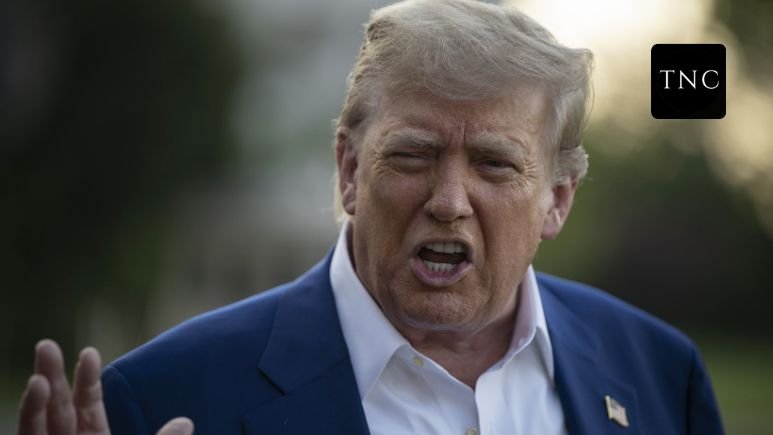

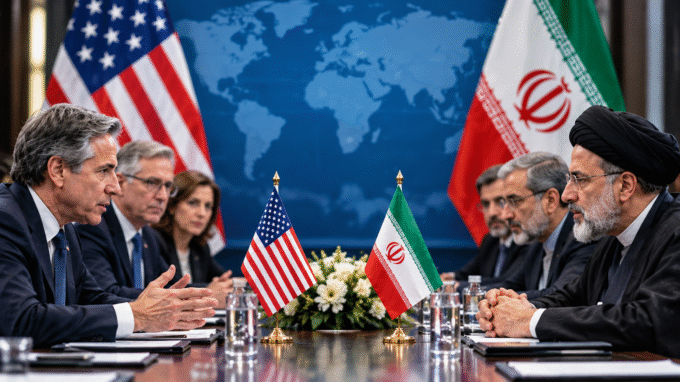
When U.S. President Donald Trump posted “Ships of the World, start your engines. Let the oil flow!” on Truth Social late Sunday, it marked the most significant diplomatic development in the Middle East in years. The United States and Iran had finalized a memorandum of understanding that would lift the U.S. naval blockade on Iranian ports and extend the current ceasefire. But within hours of the announcement, the limits of the agreement were already visible.
The deal extends the fragile ceasefire between Washington and Tehran for 60 days, with a formal signing ceremony expected on Friday, June 19, in Switzerland, and nuclear talks to follow. It is a pause, not a peace. And for a conflict that began with missiles and ultimatums, the real test of whether this agreement holds lies in the weeks ahead.
How It Got Here
The war began on February 28, 2026, when the United States and Israel launched coordinated strikes across Iran. The conflict, which had been years in the making through waves of proxy confrontation, threats, and failed diplomacy, escalated quickly. Iran responded by taking effective control of the Strait of Hormuz, choking off one of the world’s most vital energy corridors.
Following nearly six weeks of conflict, Pakistan’s Prime Minister Shehbaz Sharif announced on April 8 that the U.S. and Iran had agreed to a conditional two-week ceasefire, during which talks would be held on a lasting agreement. President Trump said that a 10-point plan presented by Iran formed a “workable basis” for further negotiations.
That April ceasefire was anything but stable. The truce has remained fragile since April 7, with both sides trading strikes in recent weeks. A particularly tense moment came just days before Sunday’s deal announcement, when Trump publicly criticised Israeli strikes on Beirut’s southern suburbs, writing that the attack “should not have happened, particularly on a special day when we are so close to a peace deal with Iran.”
What the Deal Actually Says
A 14-page draft memorandum was drawn up outlining the proposed terms. Under the agreement, the U.S. would lift oil sanctions and Iran would commit to reopening the Strait of Hormuz within 30 days.
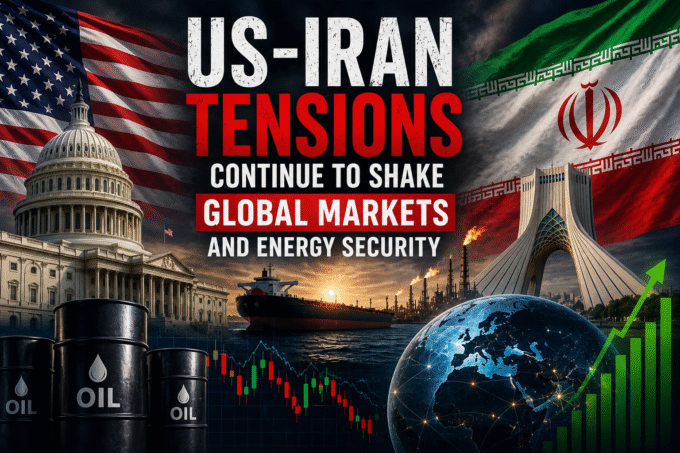
The agreement is designed to restore shipping through the Strait, which before the war handled roughly 20 percent of global oil and liquefied natural gas. However, full reopening may not be immediate, as mine-clearing, infrastructure repair, and security guarantees could take additional time before shipping returns to pre-war volumes.
The nuclear issue, which was the stated reason for launching the war in the first place, has been deferred. Both sides have given themselves 60 days to reach a technical agreement on how to down-blend Iran’s highly enriched uranium and both freeze and monitor its nuclear programme going forward.
Trump told The New York Times that a final agreement would limit Iran to enriching uranium at levels that “could never be used by the military.” When asked whether the arrangement would mirror the 2015 JCPOA, Trump said Iran would be able to enrich uranium “for nonmilitary purposes. Forever.”
That distinction matters enormously. Iran is believed to hold around 440 kilograms of uranium enriched to 60 percent, which is far closer to weapons grade. The question of what to do with this stockpile has been a major sticking point throughout the negotiations.
Israel’s Uneasy Position
Israeli Prime Minister Benjamin Netanyahu has stated that Israel is not a party to the negotiated deal, though he has said he and Trump are in “full agreement” that Iran must not be permitted to obtain nuclear weapons. In its current form, the agreement is considered a deep disappointment by Israel’s government.
An Israeli columnist for Haaretz described the agreement as “very, very fragile,” warning that Lebanon could become the biggest challenge facing it. “The Iranians succeeded in creating a total linkage between Lebanon and the agreement, and Israel is still in Lebanon with no intention to withdraw,” he noted.
The Pressure on Tehran
Analysts point to Iran’s deteriorating economic condition as a key driver pushing it toward the negotiating table. Iran is facing mounting economic and diplomatic pressure from the continued blockade, with inflation, fuel shortages, and growing economic strain inside the country. Iran has also suffered the loss of senior regime figures during the course of the conflict.
Trump posted on Truth Social that “Iran is desperate to make a deal because of the historic successes of Operation Epic Fury, Operation Economic Fury, and the blockade.” Whether Tehran views the same situation as desperation or strategic accommodation is a question likely to shape the tone of nuclear talks in the 60-day window.
What Comes Next
The U.S. side insists Iran is incentivised to reach a final agreement because sanctions relief and access to frozen funds are contingent on progress on the nuclear front. But hawks in both the U.S. and Israel worry there will never be a final deal and that the war could effectively end with the nuclear questions left unresolved.
Qatar and Pakistan, who helped mediate the deal, have urged positive and constructive negotiations ahead. Russia, too, has welcomed the ceasefire and called for a comprehensive settlement.
Trump has framed the agreement as a definitive break from the 2015 Obama-era nuclear deal, describing his version as “a wall to no nuclear weapon,” and has said no money would flow until nuclear matters are settled.
The signing ceremony in Switzerland on June 19 will mark a milestone. But it will be the 60 days that follow, filled with technical negotiations over enrichment levels, uranium stockpiles, sanctions timelines, and a permanently contested Lebanon, that will determine whether this fragile peace can become something more durable.
Also Read / Operation Nasr: Why Iran Revived a Wartime Symbol in Its Latest Confrontation With Israel.









Leave a comment