

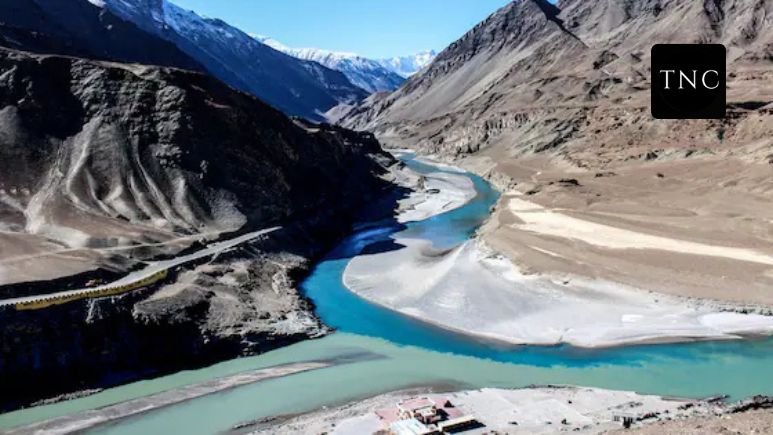

The waters of the Chenab River have become the latest source of friction between India and Pakistan, adding a new layer of tension to an already fragile relationship between the two nuclear-armed neighbors.
Pakistani officials have accused India of using water resources as a strategic tool, alleging that irregular water releases and management decisions on rivers governed by long-standing agreements are creating uncertainty downstream. Islamabad has warned that any disruption to river flows could have serious implications for agriculture, food security, and regional stability.
The dispute centers on rivers linked to the decades-old water-sharing framework established under the 1960 Indus Waters Treaty. The agreement, often described as one of the few enduring pillars of cooperation between the two countries, allocates the waters of the eastern rivers to India while granting Pakistan rights over the western river system, including the Chenab.
For Pakistan, the issue is more than a diplomatic disagreement. Large portions of the country’s agricultural economy depend on consistent river flows. Any unexpected change in water availability can affect crop planning, irrigation schedules, and rural livelihoods. Officials in Islamabad argue that water should never be used as a geopolitical pressure point and have called for adherence to established mechanisms governing river management.
India, meanwhile, has maintained that its actions are guided by its rights under existing arrangements and by operational requirements related to dams, reservoirs, and flood management. In previous instances involving heavy monsoon rainfall, Indian authorities have shared flood-related warnings with Pakistan to reduce potential damage from sudden surges in river levels.
The disagreement arrives at a time when climate pressures are making water management increasingly complex across South Asia. Erratic rainfall patterns, extreme weather events, and growing demand for water have intensified concerns over river governance throughout the region. Experts warn that future disputes may become more frequent unless both countries strengthen communication channels and modernize mechanisms for data sharing.
Analysts note that the Indus basin supports millions of people on both sides of the border, making cooperation essential despite political disagreements. Water security, they argue, is no longer only an environmental concern but also a matter of economic resilience and national stability.
Why the Issue Matters
The current debate highlights how natural resources can become entangled with broader geopolitical rivalries. While military tensions often dominate headlines, control and management of shared rivers have the potential to shape regional relations for decades. Any prolonged disruption to trust between the two countries could affect not only water governance but also broader diplomatic engagement.
The latest exchange over the Chenab River underscores a growing reality in South Asia: water is becoming a strategic asset as valuable as territory. Whether the dispute escalates or returns to diplomatic channels will depend largely on how both nations balance national interests with the need for long-term cooperation over a resource that millions depend upon every day.
Also Read / Pakistan-India Water Treaty Suspension: Implications and Insights.












Leave a comment