

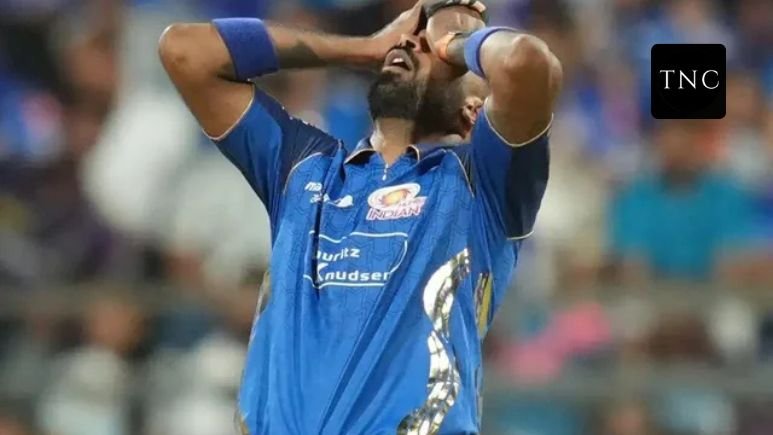

Mitchell Santner bent low under the Wankhede lights, arms outstretched, eyes fixed on a spiraling ball. The catch stuck. Then came the grimace. Santner clutched his shoulder and walked off slowly, the kind of exit that barely registers in a sport crowded with drama. Minutes later, it became the center of the night.
Mumbai Indians brought in Shardul Thakur as a concussion substitute.
Fans blinked. Broadcasters debated. Social media erupted. Santner appeared to have injured his shoulder, not his head. Yet Mumbai had another player on the field in a match already complicated by the Impact Player rule. By the end of the evening, the cricket was almost secondary to the paperwork.
This is why the moment matters. Modern T20 cricket has become a contest not just of bat and ball, but of regulations, loopholes, and split-second interpretations. Teams now manage squads like chessboards. One substitution can change bowling depth, batting length, and momentum. What happened in the Mumbai Indians vs Chennai Super Kings clash exposed how quickly a rule meant for player safety can become a flashpoint over competitive advantage.
The core issue is simple: concussion substitutes are designed for head or neck injuries. If medical staff believe a player has suffered a concussion or related symptoms, a like-for-like replacement can be approved. In Santner’s case, the visible injury looked shoulder-related. But reports indicated there may also have been contact involving the head during the catching effort, which likely formed the basis for the request. Umpires and match officials approved the change.
That approval triggered a second wave of criticism. T20 leagues already allow tactical substitutions through Impact Player rules. Add a concussion replacement, and one team can effectively rotate deeper than the traditional XI. Critics called it gamesmanship. Defenders called it a legal process.
Both sides have a point.
Cricket must always prioritize brain injuries. If there is any suspicion of concussion, caution should win. No team doctor should hesitate because of public optics. But transparency matters too. Fans deserve to understand why a substitution was granted, especially when the visible injury tells a different story.
This is not just about Mumbai Indians. It is about a sport whose rules are evolving faster than public trust can keep up. The more layers cricket adds Impact Players, strategic timeouts, specialist substitutes the more it needs clarity, consistency, and communication.
Shardul Thakur’s entry was legal because officials accepted a concussion-related basis, not because a shoulder injury alone qualifies. But the controversy revealed a deeper truth: in modern cricket, the rulebook can swing a match almost as much as the players can.
Also Read / 45 Balls to Save a Season: How Tilak Varma Rewrote Mumbai Indians’ Story in One Innings.










Leave a comment