

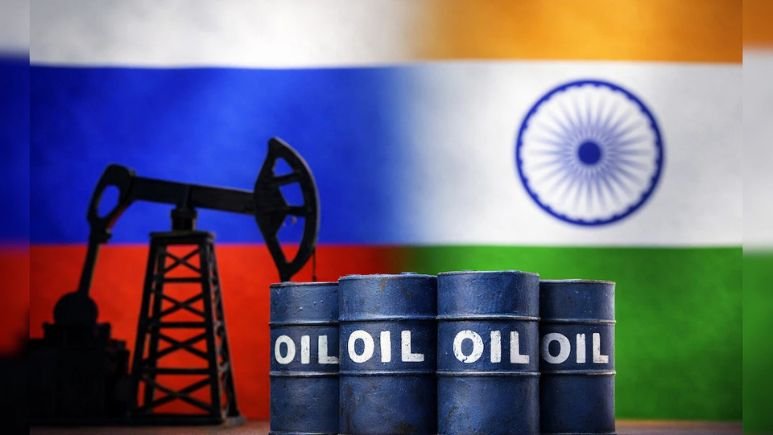

If you have been watching fuel prices lately, here is something that could actually keep them from climbing even higher. The United States has quietly issued a short-term waiver allowing Indian refiners to continue purchasing Russian oil, even as sanctions on Moscow remain in place. And according to energy analysts, that decision could be one of the more practical moves to keep global oil markets from tipping into chaos.
What Exactly Happened?
Washington granted Indian refineries a temporary exemption to buy Russian oil cargoes that were already at sea when the latest round of sanctions kicked in. Rather than leaving those shipments stranded and pulling that supply out of the market entirely, the U.S. allowed the transactions to go through.
It is a narrow decision, but the timing matters. With the Middle East conflict intensifying and key shipping lanes under threat, removing even a portion of global oil supply right now could send prices sharply higher for consumers everywhere.
How This Helps Keep Oil Prices Stable
Energy markets hate uncertainty, and the current situation has plenty of it. The Strait of Hormuz, the narrow waterway through which a large share of the world’s oil travels, sits right in the middle of an increasingly volatile region. Any significant disruption there would ripple through energy markets almost immediately.
By allowing Indian refiners to keep processing Russian crude, the waiver helps maintain steady supply flows into Asia, one of the world’s biggest oil-consuming regions. Analysts say this reduces the risk of sudden shortages and takes some pressure off global prices at a moment when markets are already on edge.
Why India Specifically?
India is not a minor player here. It is among the largest oil importers in the world, and roughly 40% of its oil supply travels through the Strait of Hormuz. The country has very limited domestic reserves, meaning it depends almost entirely on imports to keep its economy and fuel infrastructure running.
Since Western sanctions hit Russia following the invasion of Ukraine, India has become one of Moscow’s top oil customers. The reason is straightforward: Russian crude has been available at a discount compared to market prices, which has helped Indian refiners manage costs and keep domestic fuel prices from spiking too dramatically.
Is This a Long-Term Policy Shift?
Not exactly. U.S. officials have been clear that this is a short-term measure, not a permanent policy change. The goal is simply to keep oil flowing into global markets during an unusually turbulent period, not to quietly ease sanctions on Russia.
Analysts generally view the waiver as pragmatic rather than political. When a major supply disruption is already possible because of what is happening in the Middle East, voluntarily cutting off another source of supply would compound the problem rather than solve it.
What Happens Next?
The honest answer is that it depends on how the broader geopolitical picture develops. If tensions in the Middle East ease and shipping routes stay open, pressure on oil markets should stabilize on its own. If the conflict worsens or spreads, even this temporary relief may not be enough to prevent price increases.
For now, the waiver gives Asian economies, India in particular, a bit more breathing room to secure alternative supplies and avoid the worst-case scenarios. Whether that window is used wisely will matter a great deal in the months ahead.
Also Read / Strategic Pivot: India to Halt Russian Oil Imports as Part of Landmark US Trade Deal.












Leave a comment