

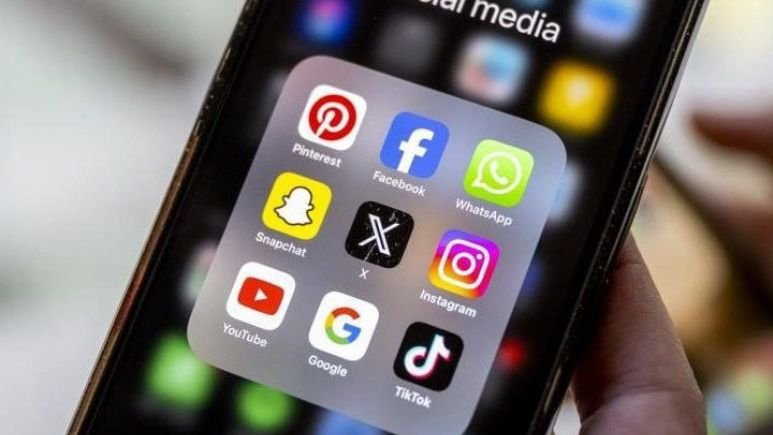

Major platforms including TikTok, Instagram, and YouTube will be off-limits to young teenagers from next week, facing multimillion-dollar fines if they fail to enforce the ban.
The Australian government has finalized the list of social media platforms that must block users under the age of 16 starting December 10, in a landmark move to “protect Generation Alpha” from online harm. The ban, which places the legal burden entirely on tech giants rather than parents, will apply to widely used services including TikTok, Facebook, Snapchat, Reddit, X (formerly Twitter), and YouTube.
Under the new legislation, these platforms are required to take “reasonable steps” to verify the age of their users and prevent those under 16 from holding accounts. Failure to comply could result in fines of up to AUD 49.5 million ($32 million).
However, the government has carved out exemptions for services deemed essential for education or communication. WhatsApp, YouTube Kids, Google Classroom, and Messenger Kids will remain accessible, alongside gaming platforms like Roblox and professional networks like LinkedIn. The ban will not punish children or parents who bypass the rules; instead, the regulator will target the companies for systemic failures to gatekeep their platforms.
Communications Minister Anika Wells defended the strict measures, describing social media algorithms as “predatory” and akin to “behavioural cocaine.” “With one law, we can protect Generation Alpha from being sucked into purgatory,” she said.
In contrast, tech companies have pushed back strongly. A YouTube spokesperson criticized the legislation as “rushed,” warning it could have unintended consequences: “This law will not fulfil its promise to make kids safer online, and will, in fact, make Australian kids less safe on YouTube [by forcing them to browse logged-out without safety filters].”
This legislation makes Australia the first democratic nation to impose a blanket age limit on social media, a move being closely watched by policymakers in the UK, Europe, and Brazil.
While the government argues the ban is necessary to curb cyberbullying and mental health issues, digital rights groups have raised concerns about privacy. Enforcing the ban will likely require all Australian users regardless of age to undergo some form of age assurance, potentially involving digital ID checks or biometric estimation.
As the December 10 deadline approaches, the policy faces its first major legal hurdle. A High Court challenge has already been launched by the Digital Freedom Project, arguing the ban infringes on freedom of political communication. Meanwhile, platforms like TikTok are rushing to finalize “multi-layered” age verification systems to avoid penalties when the law comes into effect next week.
Also Read / India mandates anti-fraud ‘Sanchar Saathi’ app on all phones, sparking privacy debate.












Leave a comment