

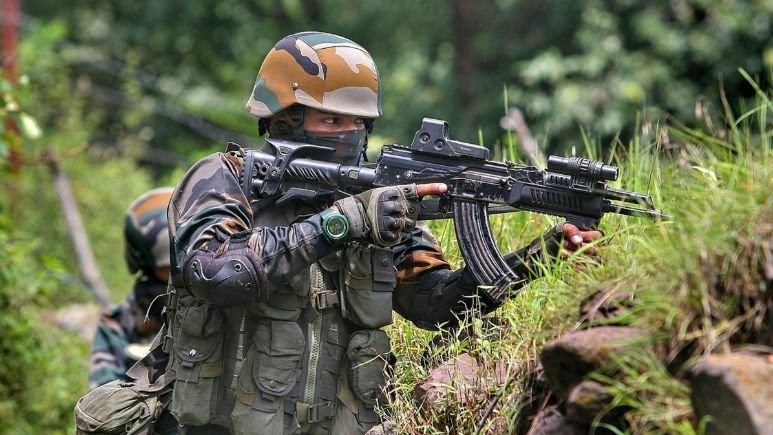

India has been ranked as one of Asia’s top three powers for the first time, marking a major shift in the region’s geopolitical landscape.
New global rankings place India just behind the United States and China, highlighting growing economic weight and improved military capability after recent strategic operations.
India crosses a historic milestone
The latest Asia Power Index shows India reaching the “major power” category for the first time after years of gradual rise.
The ranking measures military strength, economic capacity, influence, technology, diplomacy, and future potential across 27 regional nations.
With a total score reaching the threshold required for major power status, India now sits firmly in third place while widening its gap over Japan and Russia.
Analysts say this shift reflects both India’s growth and the broader restructuring of Asia’s balance of power.
Military confidence after Operation Sindoor
One of the strongest drivers behind India’s rise is its enhanced military credibility following Operation Sindoor.
The operation demonstrated precision-strike capability, improved command structure, and a higher degree of technological independence.
Military experts observe that India’s ability to conduct targeted cross-border action without foreign military dependencies changed perceptions across strategic and defence communities.
The operation is now seen as a turning point in India’s security doctrine, signalling a policy of self-reliant deterrence and rapid response to cross-border threats.
Economic rise gains momentum
India’s economic trajectory is another major factor behind its ranking jump.
Sustained GDP growth, infrastructure expansion, rising technology investment and widening manufacturing capabilities have strengthened India’s position as a long-term economic competitor to China.
The index places India among the top nations for future potential, reflecting favourable demographics, digital expansion and growing global investor confidence.
Diplomatic progress still slow
While India’s economic and military presence has expanded, the report notes a gap between capability and international alignment.
India continues to operate without major military alliances or deep regional agreements, relying instead on strategic autonomy and flexible partnerships.
Diplomats and policy experts argue that India must convert material strength into long-term diplomatic leadership if it intends to influence Asia’s strategic frameworks rather than reacting to them.
United States and China still ahead
The top two positions remain unchanged.
However, both are experiencing shifting influence.
China continues narrowing the gap with the United States, while US regional confidence indicators have declined compared with previous years.
India sits well behind the two superpowers in total score, but the distance between India and other regional competitors has widened significantly.
This suggests a three-tier structure in Asia: two superpowers at the top, India emerging alone in the middle, and a cluster of established and rising powers below.
The road ahead for New Delhi
India’s new ranking is being seen as both recognition and responsibility.
Policy voices inside the country say the new status confirms India’s long-term role as a central actor in regional security, economy and geopolitics.
Others caution that being recognised as a major power does not guarantee long-term influence unless India strengthens institutional leadership, regional alliances and economic integration. India now faces the challenge of converting momentum into durable strategic influence while balancing relationships with both the United States and China in an increasingly competitive Indo-Pacific environment.
Also Read This:
Gujarat ATS Foils ISIS Ricin Plot: What the Arrests Reveal About Terror Threats and Counter-Terrorism in India.












Leave a comment