

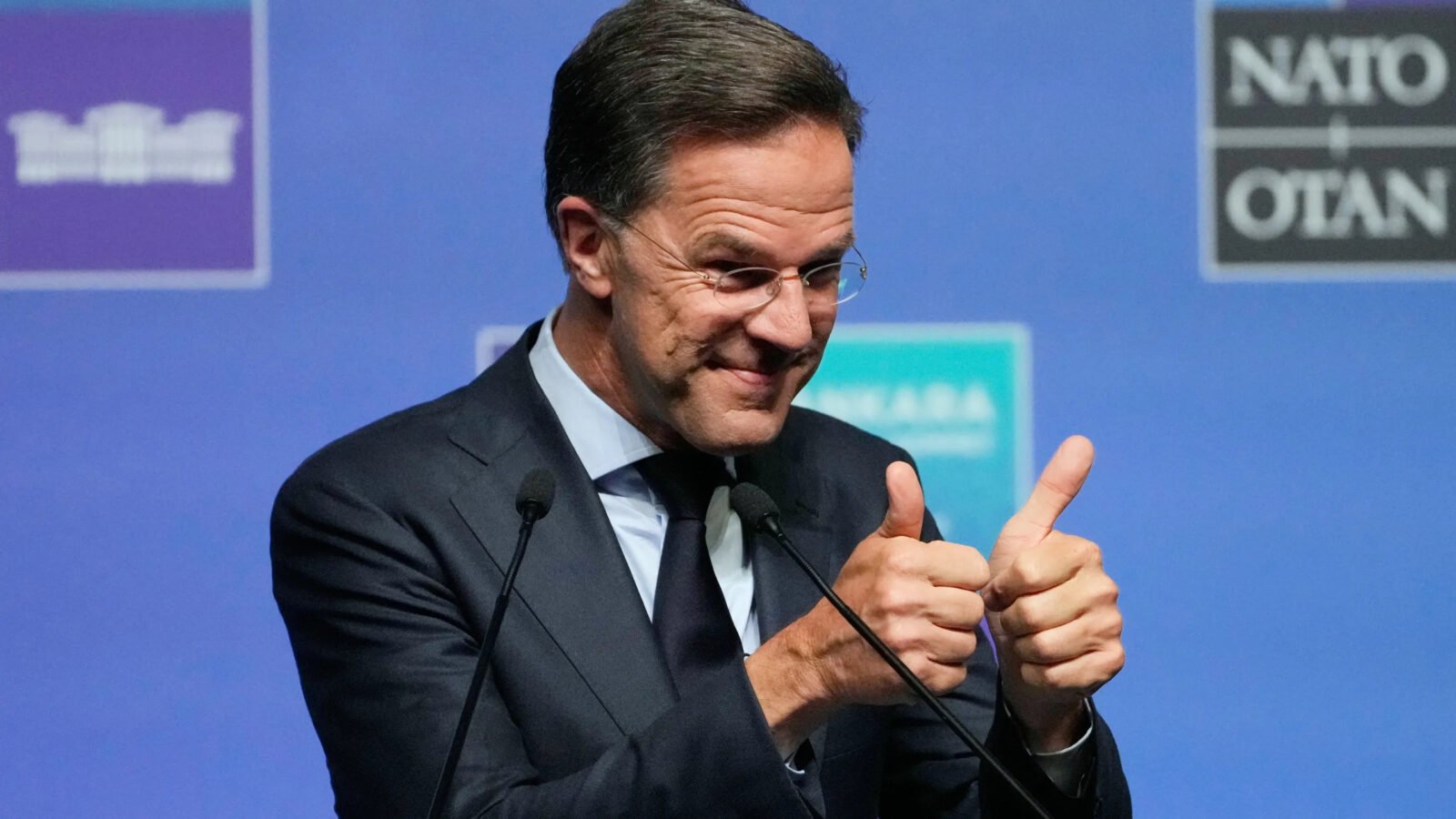

The NATO Summit 2026 has emerged as one of the most significant international gatherings of the year, bringing together leaders from all 32 member nations in Ankara, Türkiye. At a time of rising geopolitical tensions, evolving security threats, and ongoing conflicts, the summit is focused on strengthening the alliance’s collective defense and preparing for future challenges.
With defense spending, military modernization, support for Ukraine, and strategic cooperation at the top of the agenda, the decisions made during this summit are expected to shape global security policies for years to come.
Why the NATO Summit 2026 Matters
The North Atlantic Treaty Organization (NATO) remains the world’s largest military alliance, established to ensure collective defense among its members. While NATO has faced changing security challenges over the decades, recent geopolitical developments have reinforced its importance.
The 2026 summit comes at a time when European security remains under pressure, global military competition is intensifying, and technological advancements are transforming modern warfare. Leaders are using the summit to review existing commitments and define the alliance’s priorities for the coming decade.
Defense Spending Takes Center Stage
One of the summit’s most closely watched issues is NATO’s ambitious defense investment target.
Secretary General Mark Rutte has urged member nations to present clear and credible plans for increasing defense spending. Building on commitments made in previous years, NATO aims for allies to work toward investing the equivalent of 5% of GDP by 2035. Under the proposed framework, 3.5% would go toward core military capabilities, while 1.5% would support infrastructure, cybersecurity, logistics, and other security-related investments.
Supporters argue that higher spending is essential to strengthen deterrence, modernize armed forces, and improve military readiness. However, several member states face budgetary challenges and domestic political debates over how quickly these targets can be achieved.
Continued Support for Ukraine
Ukraine remains a central topic of discussion during the summit.
NATO members are reviewing military assistance, training initiatives, and long-term security cooperation aimed at helping Ukraine strengthen its defense capabilities. Alliance leaders have reaffirmed that support for Ukraine remains an important element of European security, even as they continue to assess future requirements.
The discussions also include improving air defense systems, military logistics, and coordination among allied nations. While NATO is not directly involved in the conflict, member countries continue to provide substantial assistance through bilateral and multilateral initiatives.
Strengthening Military Capabilities
Beyond defense budgets, NATO leaders are focusing on enhancing military preparedness.
The summit includes discussions on expanding defense production, increasing ammunition stockpiles, improving interoperability among allied forces, and investing in advanced technologies such as artificial intelligence, cyber defense, autonomous systems, and next-generation surveillance capabilities.
A major objective is ensuring that member states can respond rapidly to emerging threats while maintaining effective coordination during crises. The alliance is also emphasizing stronger cooperation between governments and defense industries to accelerate production and innovation.
Addressing Emerging Global Threats
Modern security challenges extend far beyond traditional military confrontations.
Cyberattacks, hybrid warfare, misinformation campaigns, terrorism, and attacks on critical infrastructure have become major concerns for NATO members. These threats require new approaches that combine military capabilities with technological resilience and intelligence sharing.
At the summit, leaders are discussing ways to strengthen cybersecurity, protect digital infrastructure, and improve resilience against non-conventional threats. These efforts reflect NATO’s broader recognition that future conflicts may involve multiple domains, including cyberspace and outer space.
The Role of the United States and European Allies
Another important aspect of the summit is burden-sharing among NATO members.
The United States has consistently encouraged European allies to assume greater responsibility for regional defense. Discussions in Ankara reflect a broader effort to ensure that European nations contribute more significantly to collective security while maintaining strong transatlantic cooperation.
This evolving approach aims to create a more balanced alliance in which responsibilities are shared more evenly among member countries. Despite differing perspectives on spending timelines, leaders continue to emphasize unity and collective defense as NATO’s core principles.
Why Businesses and Markets Are Watching
The summit is not only important for governments but also for industries and financial markets.
Higher defense spending could lead to increased investment in aerospace, cybersecurity, advanced manufacturing, logistics, and defense technology. Companies involved in military equipment, communications systems, and artificial intelligence may benefit from expanded procurement programs announced by member states.
Infrastructure projects related to transportation, energy security, and digital resilience may also receive additional funding as countries work toward meeting NATO’s long-term objectives.
Looking Ahead
The NATO Summit 2026 represents more than a routine meeting of alliance leaders. It is a strategic gathering that addresses some of the most pressing security issues facing the international community.
From increased defense investment and support for Ukraine to military modernization and emerging technological threats, the summit reflects NATO’s efforts to adapt to a rapidly changing global environment. The decisions taken in Ankara are expected to influence defense policies, international cooperation, and geopolitical stability well beyond Europe.
While significant challenges remain, the summit demonstrates the alliance’s commitment to collective security and preparedness. As geopolitical tensions continue to evolve, NATO’s ability to balance military strength, diplomatic cooperation, and technological innovation will play a crucial role in shaping the future of global security.
For governments, businesses, and citizens alike, the outcomes of the 2026 NATO Summit will serve as important indicators of how the international community intends to respond to the complex security landscape of the coming decade.












Leave a comment