

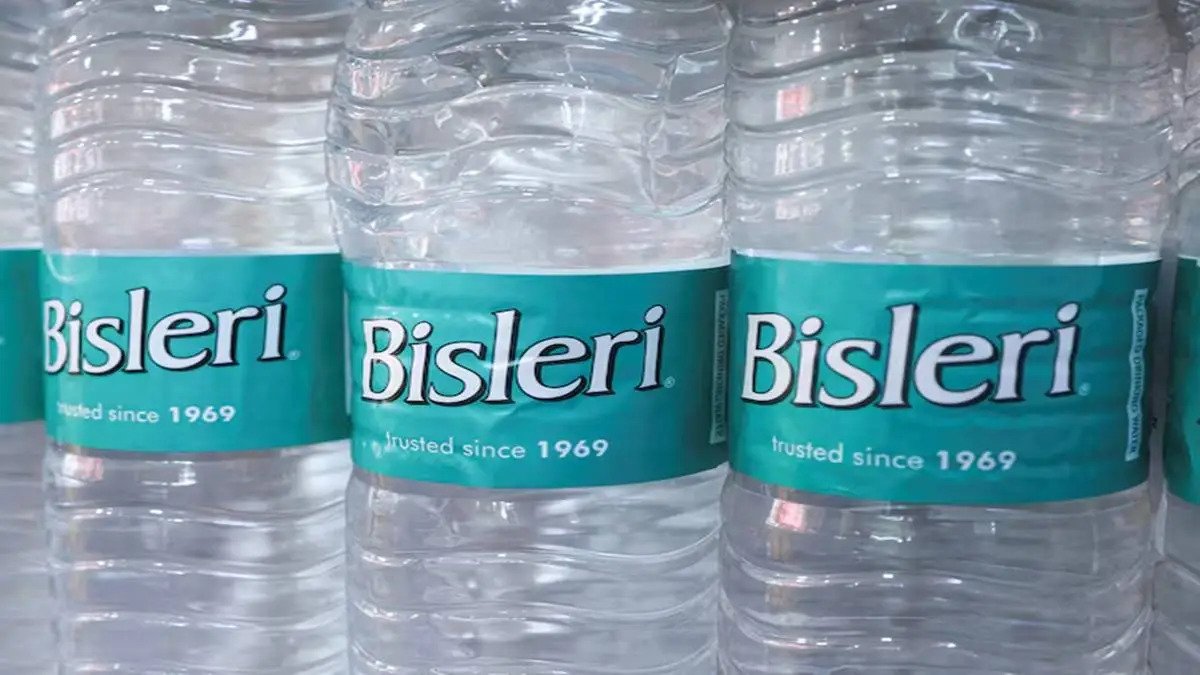

Bisleri water safety has come under scrutiny after India’s food regulator sanctioned prosecution against the company over a sample declared unsafe. The Food Safety and Standards Authority of India, or FSSAI, announced the action on November 22, 2026. Bisleri responded the following day, saying its products remain safe and disputing findings linked to a batch from its Goa facility.
According to FSSAI’s statement, reported by Moneycontrol, a regulatory sample collected from Bisleri International’s premises failed to meet prescribed bromate limits. After the company appealed, the sample went to a referral food laboratory. That laboratory also declared it unsafe, citing the detection of polynuclear aromatic hydrocarbons, commonly called PAHs.
The two laboratory findings concern different chemical issues. The initial result involved bromate, while the referral laboratory’s unsafe classification involved PAHs. Keeping those findings separate helps readers understand the dispute and the company’s response. Evidence addressing one substance needs to be considered alongside the findings concerning the other.
Bisleri said the matter dates back to a batch manufactured in September 2025 at its Goa plant. According to the company, FSSAI collected six samples from that facility on September 30, 2025. It said five met the applicable standards and one recorded a bromate level above the prescribed limit.
The company put that result at 12 micrograms per litre, compared with a limit of 10 micrograms per litre. Bisleri said it appealed on November 22, 2025. According to its account, the referral laboratory subsequently found bromate within the limit but separately detected PAHs, resulting in the unsafe classification.
Bisleri also said it arranged independent testing at an FSSAI-approved laboratory and obtained a bromate result within the prescribed limit. It said these results were submitted to FSSAI’s Western Regional Office on February 2, 2026. The company stated that it received no further communication after that submission and understood the matter to be closed.
In its November 23 response, Bisleri said it had received no notice concerning the reported action. It also cited more than 90 quality checks across a manufacturing process involving 10 steps. The company said it would cooperate with FSSAI through the appropriate regulatory process while maintaining that its drinking water is safe.
Bromate can form during certain water treatment processes. The World Health Organization explains that it may develop when water containing bromide is treated with ozone. Its formation depends on factors including the source water and treatment conditions. Controlling those conditions is an important part of managing bromate concentrations.
WHO’s guidance records bromate as possibly carcinogenic to humans, reflecting the International Agency for Research on Cancer’s classification. That assessment draws on evidence including studies in experimental animals. Understanding a person’s potential health risk requires information about exposure, including the concentration consumed and the duration of consumption.
PAHs are a group of chemicals covered separately in WHO drinking-water guidance. Some members of this group, including benzo[a]pyrene, raise concerns about cancer risk. Assessing a reported detection requires details about the particular compounds, their measured amounts and the testing methods used. Those details matter when interpreting a laboratory result.
Chemical analysis gives regulators information that the look of a bottle cannot provide. WHO’s guidance describes laboratory methods used to detect bromate at very low concentrations. Measured results and the testing process are central to assessing the findings in this dispute.
The scrutiny is also extending across the packaged water industry. India Today reported on November 23 that FSSAI had collected random samples from multiple brands as part of wider checks. Results from those samples would provide information about the products tested and help establish whether further regulatory action is required.
For households and businesses, this is a question of everyday confidence. Packaged water is bought for journeys, workplaces, restaurants and home use. The present case puts attention on how manufacturers monitor production and how regulators communicate findings. Clear information about the sample, manufacturing location and relevant dates helps consumers follow developments.
Consumers with a concern about a packaged product can use FSSAI’s Food Safety Connect system. The official service allows people to raise food safety complaints and check licence or registration authenticity. FSSAI also provides routes for contacting a company’s designated complaint officer and the relevant state food safety authority.
Its complaint guidance recommends attaching supporting evidence, such as a product photograph and the purchase bill. For a water-related complaint, keeping the packaging and recording the batch information can help explain which product is involved. These details give the company and investigating authorities a clearer starting point for examining the concern.
The regulatory findings and Bisleri’s response leave specific questions for further examination, particularly around the complete laboratory records and the PAH finding. Publishing clear information about the affected batch, test results and subsequent action would help consumers understand the case. As the process continues, official updates will determine how those questions are addressed.
Also Read | BMC Begins Demolition of Old Musafirkhana Building in Bhendi Bazaar











Leave a comment