

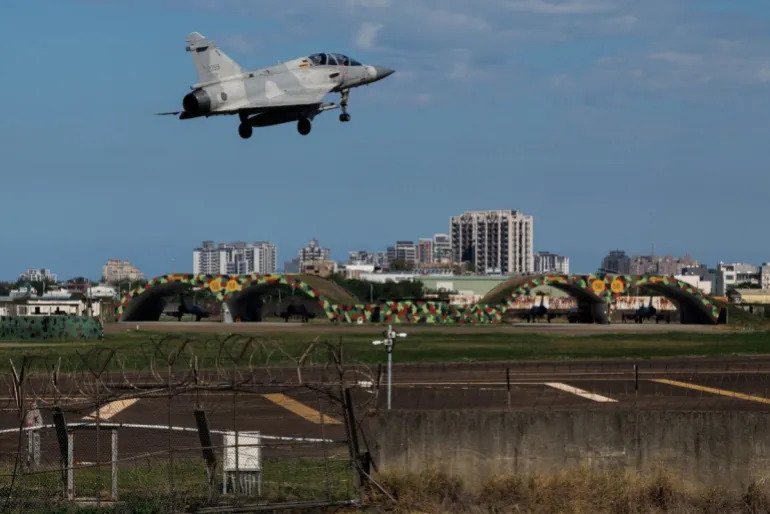

China’s military drills around Taiwan have drawn fresh attention after Taiwanese officials described large, unannounced exercises across the western Pacific earlier this month. Reuters reported the account on November 13, 2026, citing officials in Taipei who viewed the activity as military pressure before major international meetings.
The report concerns operations across a broad region. Readers should distinguish these wider deployments from the smaller daily counts of ships and aircraft operating immediately around Taiwan.
What is reported about the exercises?
A senior Taiwanese security official told Reuters that more than 100 Chinese military and coast guard vessels had gathered in the region at one point in early November. The official, who spoke anonymously, said the exercises included simulated attacks against other militaries and cities, including Taiwan’s.
These details are attributed to that official. They should not be presented as independently confirmed observations. The same report said China’s defence ministry did not respond to Reuters’ request for comment.
Beijing had not publicly named or announced the wider exercise described in the report.
What has Taiwan confirmed in its daily update?
Taiwan’s defence ministry reported detecting 30 Chinese military aircraft sorties, eight navy ships, and three other official ships during the 24 hours ending at 6 a.m. on November 13, Taiwan time.
It said 23 sorties crossed the Taiwan Strait median line and entered parts of Taiwan’s air defence identification zone. Taiwan monitored the activity using aircraft, naval vessels, and coastal missile systems.
A sortie means an individual flight, so 30 sorties do not necessarily mean 30 different aircraft. The ministry’s figures describe one reporting period and a narrower area than the regional deployment discussed by Reuters.
What does “area denial” mean?
On November 10, Taiwanese Defence Minister Wellington Koo said China was conducting area denial exercises involving the Liaoning aircraft carrier group and other naval formations in the western Pacific.
Area denial means trying to prevent another military force from operating effectively in a particular area. In this context, it concerns the ability of outside forces to intervene during a possible conflict involving Taiwan. Koo said Taiwan was monitoring the activity and exchanging intelligence with allies.
The term describes a military purpose; it does not establish that an attack has begun.
What is China’s stated position?
China previously described the Liaoning group’s western Pacific training as part of its annual programme. In an October 14 statement, the Chinese navy said the activity aimed to improve combat readiness and was not directed at any particular country or target.
Beijing claims Taiwan as its territory and says it seeks peaceful unification, while retaining the option of force. Taiwan’s government rejects Beijing’s sovereignty claim and says its people should determine their future. These opposing positions form the political background to the military activity.
Understanding air defence zones
An air defence identification zone, often shortened to ADIZ, helps authorities identify and monitor approaching aircraft. It extends beyond territorial airspace. Entering an ADIZ therefore
This distinction helps readers understand military activity reports accurately. Headlines that simply say aircraft entered “Taiwan’s airspace” may leave out an important geographical detail.
Why repeated deployments matter
The significance of military activity depends on more than the highest daily count. Its frequency, location, and duration also matter. A May 2026 CSIS study examined how repeated Chinese maritime and air operations can place sustained pressure on Taiwan and affect military readiness.
That wider pattern helps explain why Taipei tracks individual flights and vessels so closely. Comparing similar reporting periods can show whether activity is increasing, shifting to different areas, or returning to earlier levels. Numbers need wider context.
Why the Taiwan Strait matters internationally
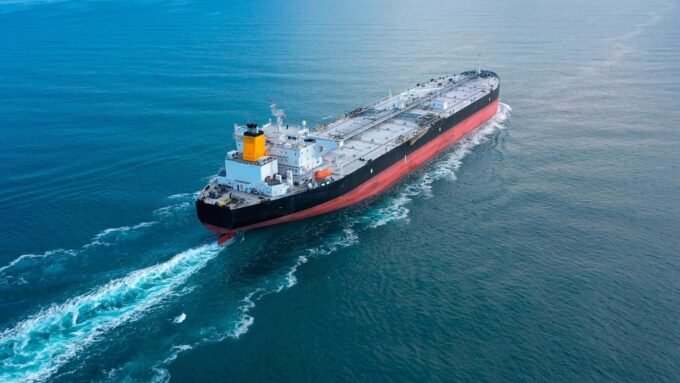
The Taiwan Strait is an important shipping route linking major Asian economies. Research from the Center for Strategic and International Studies estimated that more than $2.4 trillion in goods passed through it in 2024. The institute also found that China itself depends heavily on this route for trade.
A serious disruption could affect shipping routes, delivery times, and business costs. That is a potential risk, rather than evidence that the reported exercises have already stopped commercial traffic.
What should readers watch next?
The most useful updates will come from dated defence ministry statements, official announcements, and reporting that clearly identifies its sources. Changes in deployment numbers should be checked against the location and reporting period involved.
China’s military drills around Taiwan deserve close attention, but exercises alone do not prove that war is imminent. Clear attribution and careful comparisons help readers follow the situation without confusing military signals, official claims, and confirmed events.
Also Read | 39 Dead in Senegal Boat Tragedy! Migrant Vessel Capsizes on Dangerous Atlantic Route











Leave a comment