

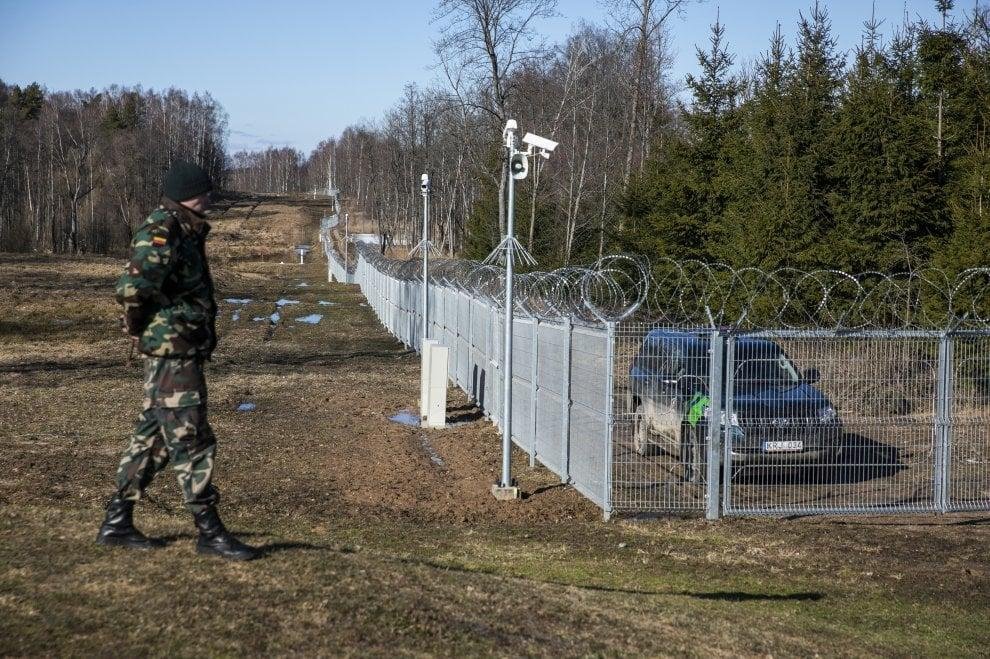

Vilnius: Lithuania is preparing additional defenses for a major new electricity substation near Russia’s Kaliningrad exclave, reflecting growing concern about drone attacks, sabotage and other threats to critical infrastructure in the Baltic region. The planned Gižai substation, about 30 kilometres west of Kaliningrad, will form part of a strategically important electricity connection between the Baltic states and Poland.
The project is being designed with protection against several types of threats, including explosive-laden drones, vehicle attacks and possible attempts to damage infrastructure through underground routes. Lithuanian grid operator Litgrid says the new approach reflects a changed security environment in Europe.
Why Lithuania Is Strengthening the Site
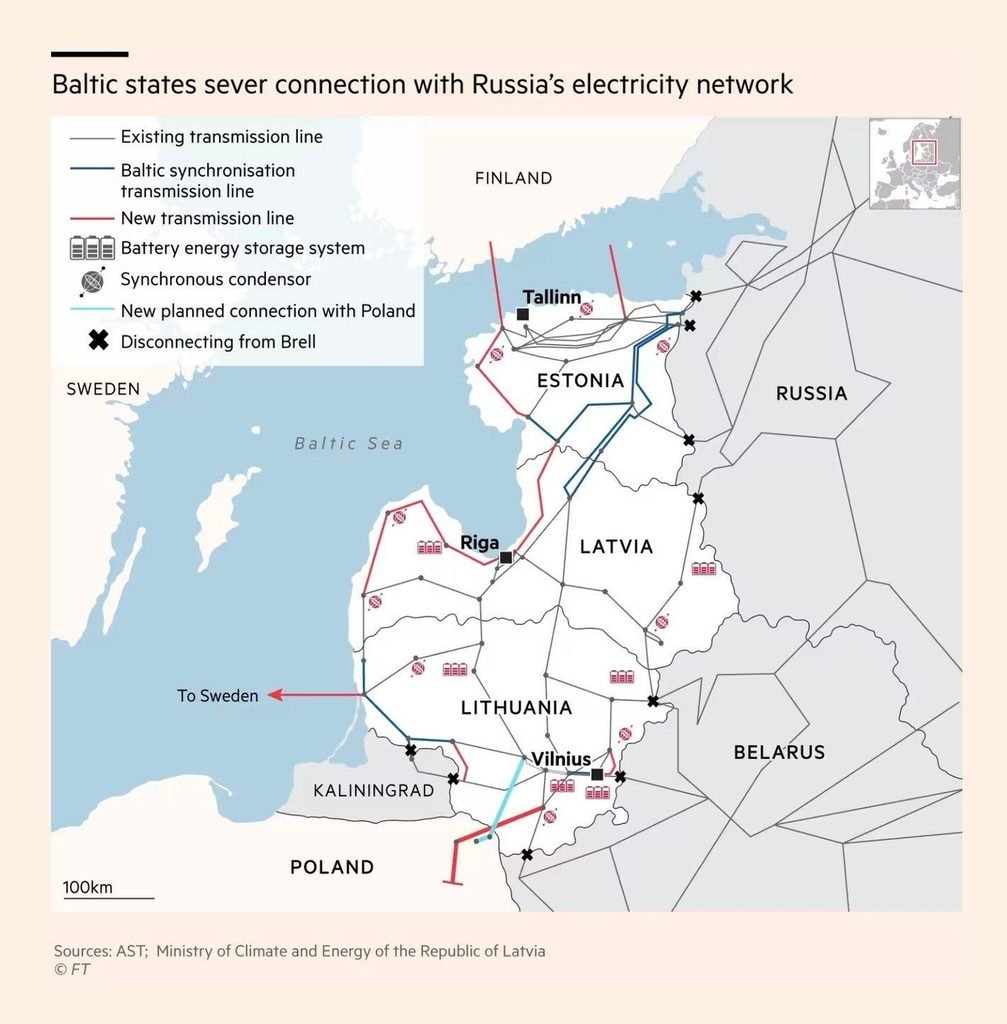
The Gižai substation is being built as part of the Harmony Link electricity interconnection with Poland. The project is intended to strengthen Lithuania’s electricity network and improve the resilience of the Baltic region’s energy system.
Litgrid launched procurement for construction of the Gižai transformer substation in August 2026. The company described it as a key element of the Harmony Link project and said it would become the largest transformer substation operated by Litgrid in Lithuania.
The location is particularly sensitive because it is relatively close to Russia’s Kaliningrad region. Lithuanian officials therefore want the infrastructure to be able to continue operating even if parts of the facility are damaged.
Reinforced Concrete and Anti-Drone Measures
According to Litgrid chief executive Andrius Semeskevicius, the site will have strong perimeter fencing, underground sensors and specially designed reinforced-concrete structures around critical equipment.
The concrete structures, described by officials as “sarcophagi,” are intended to protect transformers and other essential systems from drone strikes. The company is designing the facility with the possibility of attacks involving drones carrying large explosive payloads.
The plan also includes duplicate critical equipment. This means that if one piece of equipment is damaged, another unit can continue supporting the electricity system. That redundancy is important because some specialised power equipment can take a long time to manufacture and replace.
Artificial cooling systems will also be required because the reinforced structures surrounding some equipment can increase heat levels. The additional engineering is expected to raise the overall cost of the project.
A New Approach to Energy Security
Lithuania’s decision reflects a wider shift in European thinking about critical infrastructure.
Energy networks were traditionally designed primarily to withstand storms, floods, technical failures and other natural or accidental disruptions. Lithuanian officials now say infrastructure must also be prepared for deliberate attacks involving drones, explosives and other forms of hybrid activity.
Russia’s war against Ukraine has demonstrated how electricity facilities can become targets during a conflict. Russian forces have repeatedly targeted Ukrainian energy infrastructure with missiles and drones, creating long-term risks for electricity supply.
Lithuania is therefore incorporating military-style protection into an important civilian energy project.
Baltic States Already Left Russia’s Power Grid
The project also has a broader geopolitical background.
On February 9, 2025, Estonia, Latvia and Lithuania disconnected their electricity systems from Russia and Belarus and synchronised them with the Continental European Network through Poland. The European Commission described the change as a major step toward energy independence and greater security for the Baltic region.
That transition reduced the Baltic states’ dependence on a power system controlled by Russia and Belarus.
Harmony Link is one of the key remaining infrastructure projects designed to strengthen connections between the Baltic region and continental Europe. The European Commission says the interconnection will improve electricity-market integration, support renewable energy and strengthen regional energy security.
Concerns About Possible Hybrid Attacks
Lithuania’s new security approach comes amid wider concerns about what European officials describe as hybrid threats.
These can include cyberattacks, sabotage, drone incidents, disinformation and other activities that may fall below the level of conventional armed conflict.
Lithuanian officials have previously warned that Russia could potentially use a false-flag operation involving drones to create confusion or undermine support for Ukraine. These concerns remain allegations and do not establish that Russia intends to attack the Gižai facility.
The decision to harden the substation is therefore described by Lithuanian authorities as a precaution based on the changing security environment.
Cost of Protecting Infrastructure Is Rising
The additional security measures are expected to increase the project’s cost significantly.
Reuters reported that the reinforced design could add at least €48 million to the project, prompting Lithuania and Poland to seek more financial support from the European Union. The two countries argue that critical energy infrastructure located on NATO’s eastern flank provides wider European security benefits and should not be funded entirely by individual frontline countries.
Lithuania and other Baltic states have previously sought substantial EU support for protecting electricity infrastructure. Reuters reported that a request for €382 million in additional EU assistance resulted in €112 million being approved.
This has raised broader questions about how Europe should divide the cost of protecting strategically important energy infrastructure.
Why the Gižai Substation Matters
The facility is more than another electricity installation. It is part of a network designed to strengthen the Baltic states’ connection with Western Europe.
A successful attack on a major substation could potentially disrupt electricity transmission, damage expensive equipment and require lengthy repairs. The duplication of critical systems and reinforced structures is intended to reduce that risk and allow electricity operations to continue even if some equipment is damaged.
The project therefore combines energy policy with national and regional security planning.
Wider NATO Security Concerns
Lithuania’s approach also fits into a wider discussion within NATO and the European Union about protecting infrastructure on the alliance’s eastern flank.
Recent drone incidents and alleged acts of sabotage in parts of Europe have increased attention on airports, railways, power networks and other critical facilities. European Commission President Ursula von der Leyen has proposed stronger coordination among EU members to respond to drone incidents, sabotage and cyberattacks.
For Baltic countries located close to Russia and Belarus, the issue has particular importance.
What Happens Next?
Construction of the Gižai substation is expected to proceed as part of the wider Harmony Link project. The immediate focus will be on detailed engineering, procurement and ensuring that the facility meets the new security requirements.
Lithuania’s decision does not mean that an attack on the substation is expected or imminent. Instead, the project shows how European energy infrastructure is being designed for a security environment that is more challenging than it was before Russia’s full-scale invasion of Ukraine.
For Lithuania, the objective is to combine energy independence, infrastructure resilience and protection against modern drone threats. For the wider European Union, the project highlights the growing cost of securing power networks that are increasingly viewed as strategic assets.
As Baltic countries strengthen their links with continental Europe, projects such as Gižai and Harmony Link are becoming important not only for electricity supply but also for the region’s broader security strategy.
Also Read | United States Plans to Expand Military Presence in Greenland












Leave a comment