

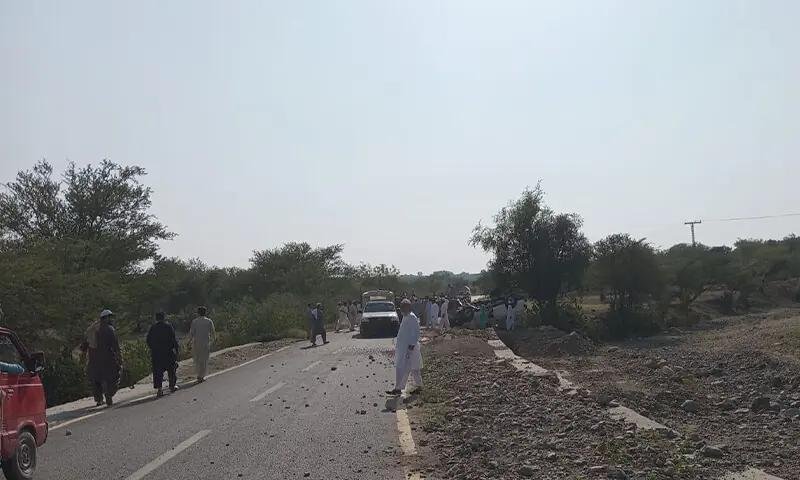

Islamabad: Six Pakistani soldiers were killed after an improvised explosive device (IED) struck a security forces convoy in northwestern Pakistan, according to the country’s military. The attack took place on September 17, 2026, in Khyber Pakhtunkhwa, a region that has experienced repeated militant attacks in recent years.
The bombing was followed by security operations in North Waziristan and Hangu, where Pakistani forces said they killed 10 militants during separate engagements. The military said six militants were killed in North Waziristan and four more in Hangu.
The latest violence highlights the continuing security challenges facing Pakistan’s northwestern areas, particularly districts close to the Afghan border.
IED Hits Security Convoy
According to the Inter-Services Public Relations (ISPR), the Pakistani military’s media wing, the roadside bomb targeted a security forces convoy on September 17. Six soldiers died in the explosion. The military did not initially provide extensive details about the exact location or circumstances surrounding the blast.
No group had immediately claimed responsibility for the bombing, according to Arab News. The absence of an immediate claim means the identity of those responsible remains a matter for investigators.
IED attacks are a recurring threat in parts of Khyber Pakhtunkhwa. Militants can place explosive devices along roads used by security personnel, making convoy movements particularly vulnerable.
Security Forces Launch Operations
Following the attack, Pakistani security forces carried out intelligence-based operations in the surrounding region.
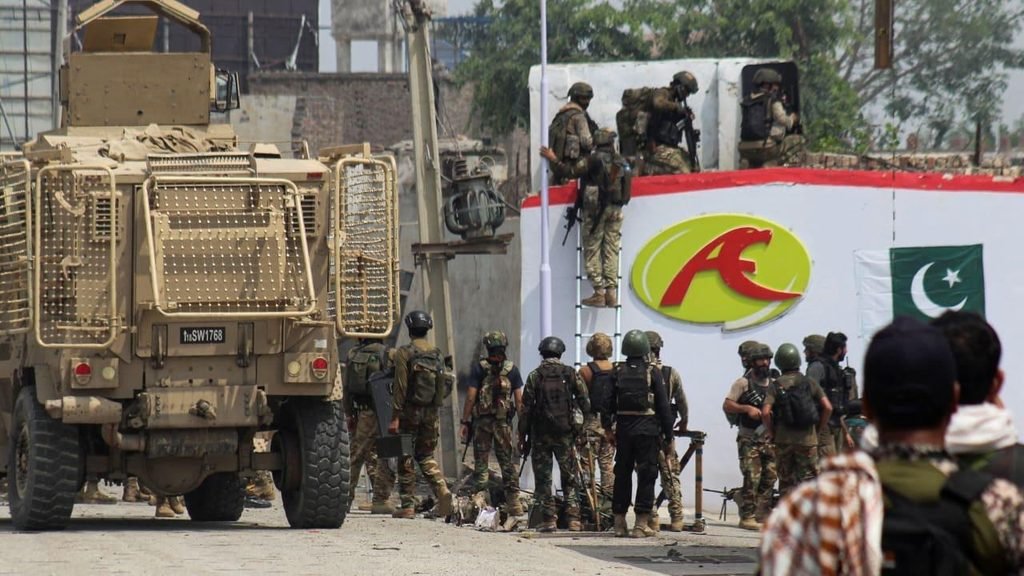
The military said an operation in North Waziristan began after intelligence indicated that militants were present there. Troops engaged the suspected militants in an exchange of fire and reported killing six of them. A separate encounter in Hangu district resulted in four additional militant deaths, according to ISPR.
The military also said that weapons and ammunition were recovered during the operations and that clearance activities were continuing to search for any additional militants in the affected areas.
Military Identifies Suspects as TTP-Linked
Pakistan’s military described the militants killed in the operations using the term “Khawarij,” which Pakistan’s government uses when referring to members of the Tehrik-e-Taliban Pakistan, or TTP. The Associated Press described the militants as believed to be members of the Pakistani Taliban.
The TTP is a separate organisation from Afghanistan’s Taliban government, although the two have ideological and historical links. Pakistan has repeatedly accused authorities in Kabul of allowing TTP militants to operate from Afghan territory. Afghan authorities have denied those accusations.
Pakistan’s military has also described the militants as having foreign backing. Those claims are allegations made by Pakistani authorities and were not independently established in the reports cited here.
Growing Violence in Khyber Pakhtunkhwa
The latest attack comes amid a broader rise in militant violence in Pakistan, particularly in Khyber Pakhtunkhwa and Balochistan.
The region has seen repeated attacks against military personnel, police and other government targets. Security officials have stepped up intelligence-led operations in response, while the government continues to describe counterterrorism as a major national-security priority.
Pakistan’s Interior Minister Mohsin Naqvi paid tribute to the six personnel killed in the convoy attack and praised security forces for the subsequent operations, according to the state-run Associated Press of Pakistan.
Why North Waziristan and Hangu Matter
Both North Waziristan and Hangu are in Khyber Pakhtunkhwa and have experienced militant activity over the years.
North Waziristan, which borders Afghanistan, has historically been a major focus of Pakistan’s military operations against militant organisations. Hangu has also experienced attacks against security personnel and government facilities.
Their location near the Afghan border makes cross-border militant movement a recurring security concern for Pakistani authorities.
Regional Security Implications
The deaths of six soldiers and the reported killing of 10 militants could increase pressure on Pakistan’s government to strengthen intelligence gathering, border security and counterterrorism operations.
The violence also has wider regional implications because the security situation along the Pakistan-Afghanistan border remains closely linked to relations between Islamabad and Kabul.
Pakistan has repeatedly raised concerns about attacks that it says are planned or supported from Afghan territory. Afghanistan’s Taliban authorities have rejected accusations that they provide safe haven to TTP militants.
Continued attacks could therefore add to existing tensions between the neighbouring countries.
Another Attack Raises Security Concerns
The six-soldier attack was followed by another deadly incident in Khyber Pakhtunkhwa on September 18, when a bombing near police offices in Kohat killed at least 15 people and injured dozens, according to the Associated Press. The attack involved a vehicle carrying explosives and gunmen who attempted to attack the police compound.
The two incidents are separate, and no group had immediately claimed responsibility for the Kohat bombing. However, their timing underlines the broader security pressure facing the province.
What Happens Next?
Pakistani authorities are expected to continue search and clearance operations in areas where militants are believed to be operating. Investigators will also seek evidence about the roadside bombing that killed the six soldiers.
The government is likely to maintain pressure on suspected militant networks through intelligence-based raids and other counterterrorism measures.
For Pakistan, the immediate challenge is to prevent further attacks while dealing with the wider regional security situation along its border with Afghanistan. The latest deaths also highlight the continuing risks faced by Pakistani security personnel operating in areas where militant groups remain active.
As operations continue, more information about the perpetrators of the roadside bomb attack, the identities of those killed in subsequent raids and any possible links between the incidents may emerge. For now, the confirmed picture is that six Pakistani soldiers were killed in an IED attack, while security forces subsequently reported killing 10 militants in separate operations in Khyber Pakhtunkhwa.
Also Read | China Calls for Iran-US Diplomacy as Strait of Hormuz Crisis Deepens












Leave a comment