

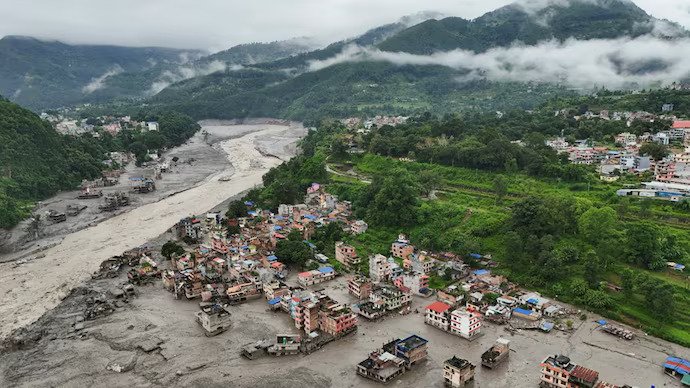

Nepal is facing a major humanitarian crisis after devastating flash floods swept through several areas, leaving more than 1,500 people missing and pushing the reported death toll close to 180. Rescue teams, security personnel, and local volunteers are continuing search operations as authorities work to reach communities cut off by floodwater, landslides, and damaged roads.
The scale of the disaster has created serious challenges for emergency services. Several settlements have been affected, while roads and bridges have been damaged in some of the worst-hit areas. Families are still waiting for information about relatives who remain unaccounted for.
Nepal Flash Floods Cause Widespread Destruction
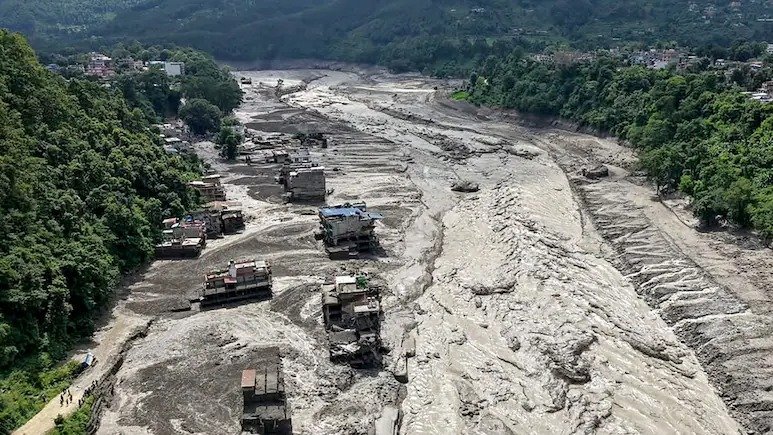
The Nepal flash floods have caused widespread damage across affected parts of the country. Powerful floodwaters swept through low-lying areas, damaging homes, roads, bridges, vehicles, and other infrastructure.
In several locations, residents were forced to leave their homes as water levels rose rapidly. Emergency shelters have been used to provide temporary accommodation for displaced families.
The situation has been made more difficult by landslides triggered by heavy rainfall. Some roads have become inaccessible, slowing the movement of rescue teams and supplies.
Authorities have been working to restore road connections and reach isolated communities as quickly as possible.
Death Toll Nears 180
The reported death toll has approached 180, while more than 1,500 people are reportedly missing. Officials have warned that the figures could change as rescue teams reach areas that remain difficult to access.
The large number of missing people has increased concerns about the final impact of the disaster. Search teams are checking damaged buildings, riverbanks, roads, and other areas where people may have been trapped.
Families of missing residents have gathered at emergency centres and hospitals seeking information. Authorities are also working to identify victims and provide updates to relatives.
Rescue Operations Face Major Challenges
Rescue operations have been complicated by damaged infrastructure and difficult mountain terrain.
Emergency personnel have been deployed to the worst-affected areas. Helicopters and other transport options may be required to reach communities that cannot be accessed by road.
Rescue workers are also facing difficult weather conditions. Continued rainfall can increase the risk of additional floods and landslides, making some areas dangerous for rescue teams.
Local residents have also joined emergency efforts. Volunteers are helping move people to safer locations, distribute essential supplies, and search for those who remain missing.
Roads and Bridges Damaged
One of the biggest challenges after the Nepal flash floods is the damage to transportation networks.
Floodwaters have damaged roads and bridges that connect remote communities with larger towns and cities. In mountainous regions, landslides have added another layer of difficulty.
When roads are blocked, food, drinking water, medicine, and other emergency supplies can take longer to reach affected communities.
Authorities are therefore prioritising the reopening of key roads and establishing alternative routes wherever possible.
Communities Fear More Flooding
Residents in several areas remain concerned about additional rainfall and rising river levels.
Nepal’s mountainous geography makes many communities vulnerable to sudden changes in water levels. Heavy rainfall can cause rivers and streams to rise quickly, particularly when slopes become unstable.
People living near rivers and in areas vulnerable to landslides have been advised to follow official warnings and move to safer locations when instructed.
Emergency agencies are monitoring weather and river conditions as rescue operations continue.
Humanitarian Needs Increase
The disaster has created urgent humanitarian needs.
Thousands of people may require temporary shelter, clean drinking water, food, medical assistance, and sanitation facilities. Children, older people, and those with existing vulnerabilities can face additional difficulties after being displaced.
Relief agencies and local authorities are expected to coordinate efforts to provide essential assistance to affected communities.
The recovery process could take much longer than the initial rescue operation. Damaged homes and infrastructure will need to be repaired, while families who have lost their livelihoods may require financial support.
Why Nepal Is Vulnerable to Floods
Nepal is highly exposed to floods and landslides because of its mountainous terrain, river systems, monsoon rainfall, and rapidly changing weather conditions.
Climate scientists have increasingly warned that extreme weather events can create serious risks for vulnerable communities. However, the exact causes of any individual flood need to be established through detailed scientific analysis.
Better early-warning systems, stronger infrastructure, emergency planning, and public awareness can help reduce the impact of future disasters.
What Happens Next?
The immediate priority remains finding missing people and helping survivors.
Search-and-rescue teams are expected to continue operations until authorities have assessed all affected areas. Medical teams and relief workers are also likely to remain deployed as emergency needs become clearer.
Authorities will also need to assess damage to roads, bridges, homes, power facilities, and other infrastructure once the situation becomes safer.
For families waiting for news about missing relatives, the coming days will be particularly difficult.
Conclusion
The Nepal flash floods have created one of the country’s most serious recent humanitarian emergencies, with the reported death toll nearing 180 and more than 1,500 people missing.
Rescue teams are continuing their efforts despite challenging terrain, damaged roads, and the threat of further severe weather. As emergency operations continue, the focus remains on saving lives, locating missing people, supporting displaced families, and delivering essential supplies.
Read Also | Islamabad Hospital Fire: At Least 14 Newborns Killed at PIMS













Leave a comment