

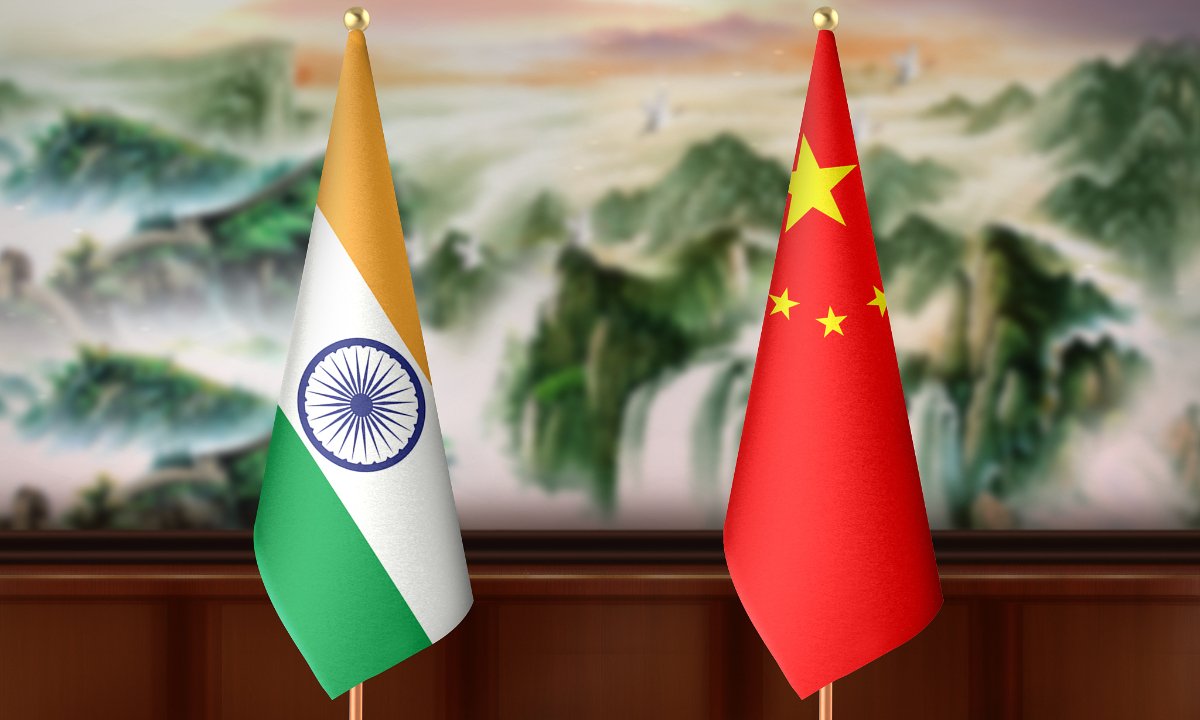

India and China have started the 25th round of negotiations on their unresolved boundary question in Beijing. National Security Adviser Ajit Doval is representing India, while Chinese Foreign Minister Wang Yi is leading the Chinese side.
The Special Representatives’ talks are being held on Tuesday, August 25, during Doval’s two-day visit to the Chinese capital. The discussions are focused on maintaining peace along the Line of Actual Control (LAC) and improving communication between the two countries.
The meeting is taking place after several years of military tension along the disputed Himalayan border. India and China have continued diplomatic and military discussions since the 2020 clashes in eastern Ladakh.
Both governments have said that peace and tranquillity along the border are essential for stable relations. However, major differences remain over troop positions, patrol rights and the interpretation of the LAC.
Doval meets Chinese vice-president
Before the formal boundary talks, Doval met Chinese Vice-President Han Zheng in Beijing. The two officials discussed ways to strengthen peace and stability in border areas and improve wider bilateral relations.
The meeting was seen as an important diplomatic engagement because it took place shortly before Doval’s discussion with Wang Yi.
Doval arrived in Beijing on Monday after being invited by Wang Yi. The Indian NSA and the Chinese foreign minister are also the Special Representatives appointed by their governments to handle the boundary question.
The Special Representatives’ mechanism was created to address the broader political and strategic aspects of the border dispute. It is separate from military-level talks, which focus mainly on troop disengagement and practical arrangements along the LAC.
Border stability remains central
India is expected to stress the importance of peace, stability and predictability along the LAC. New Delhi has consistently maintained that normal relations with China depend on the restoration of tranquillity in border areas.
The two sides are likely to review existing agreements and protocols designed to prevent clashes between troops. They may also discuss measures to improve communication during military encounters.
The agenda could include troop deployment, patrolling arrangements and the management of sensitive areas. Both countries may examine ways to reduce the risk of accidental escalation.
The border has remained relatively calmer since military disengagement at several points in eastern Ladakh. However, the broader dispute has not been resolved, and substantial forces continue to be deployed near the frontier.
India wants the remaining issues to be addressed through dialogue. China has also called for continued communication and has urged both sides to manage differences through diplomatic channels.
Unresolved LAC differences
The Line of Actual Control is not jointly marked on the ground. India and China have different perceptions of where the boundary lies in several sectors.
This difference has led to frequent patrol confrontations. In the past, troops from both sides have faced each other in areas where their patrol routes overlap.
The western sector, particularly eastern Ladakh, remains the most sensitive part of the dispute. The eastern sector, including Arunachal Pradesh, is also a source of disagreement.
India considers Arunachal Pradesh an integral part of the country. China claims the region and refers to it as “Zangnan” or southern Tibet. New Delhi has rejected Beijing’s claims.
The two countries have also disagreed over maps, infrastructure construction and the naming of places in border regions. These issues make a final settlement difficult.
Possible link to Modi-Xi meeting
The Beijing talks are being held before the upcoming BRICS Summit in India. Chinese President Xi Jinping may visit India for the meeting, and Prime Minister Narendra Modi could hold bilateral discussions with him.
The Doval-Wang talks may help create a diplomatic foundation for a possible Modi-Xi meeting. Officials are expected to examine whether progress on border stability can support broader engagement between the leaders.
A meeting between Modi and Xi would be closely watched because India-China relations have remained strained since the Galwan Valley clash in 2020.
The leaders could discuss the border situation, trade, direct flights, visas and the resumption of people-to-people exchanges. However, any high-level meeting would need to be supported by practical progress on the ground.
Trade and wider relations
The boundary dispute has affected other parts of the India-China relationship. Bilateral trade remains substantial, but India has introduced tighter scrutiny of Chinese investments and technology companies.
Restrictions were placed on several Chinese mobile applications after the 2020 clashes. New Delhi has also raised concerns about trade imbalances and market access.
China, meanwhile, wants economic relations to return to a more stable path. Beijing has repeatedly argued that the border issue should not define the entire relationship.
India’s position is that peace at the border is necessary before broader cooperation can expand. The Beijing negotiations may therefore influence future economic and diplomatic decisions.
Challenges ahead
The talks offer an opportunity to reduce tensions, but an immediate settlement is unlikely. The boundary dispute involves difficult territorial claims and military concerns that have remained unresolved for decades.
Both sides may focus first on practical confidence-building measures. These could include stronger hotline arrangements, clearer patrol protocols and improved communication between local commanders.
The success of the meeting will depend on whether the two countries can convert political statements into action. A written agreement would need to be implemented by military forces operating in difficult and remote terrain.
India and China may also avoid public criticism during the discussions. Quiet diplomacy could help the two sides explore compromises without creating pressure from domestic audiences.
A cautious diplomatic opening
The 25th round of Special Representatives’ talks represents an important channel for India-China engagement. Doval and Wang Yi are expected to continue discussions on the LAC, border stability and the future of bilateral relations.
The meeting does not guarantee a final agreement, but it may help maintain dialogue at a time when trust remains limited. Progress on communication and troop management could reduce the risk of new confrontations.
For India, the priority is peace and stability along the border. For China, the talks provide an opportunity to improve ties with a major Asian neighbour.
The outcome will be closely watched ahead of the BRICS Summit and any possible meeting between Modi and Xi.
Also Read | Nirmala Sitharaman Begins Canada and US Visit to Boost Economic Ties











Leave a comment