

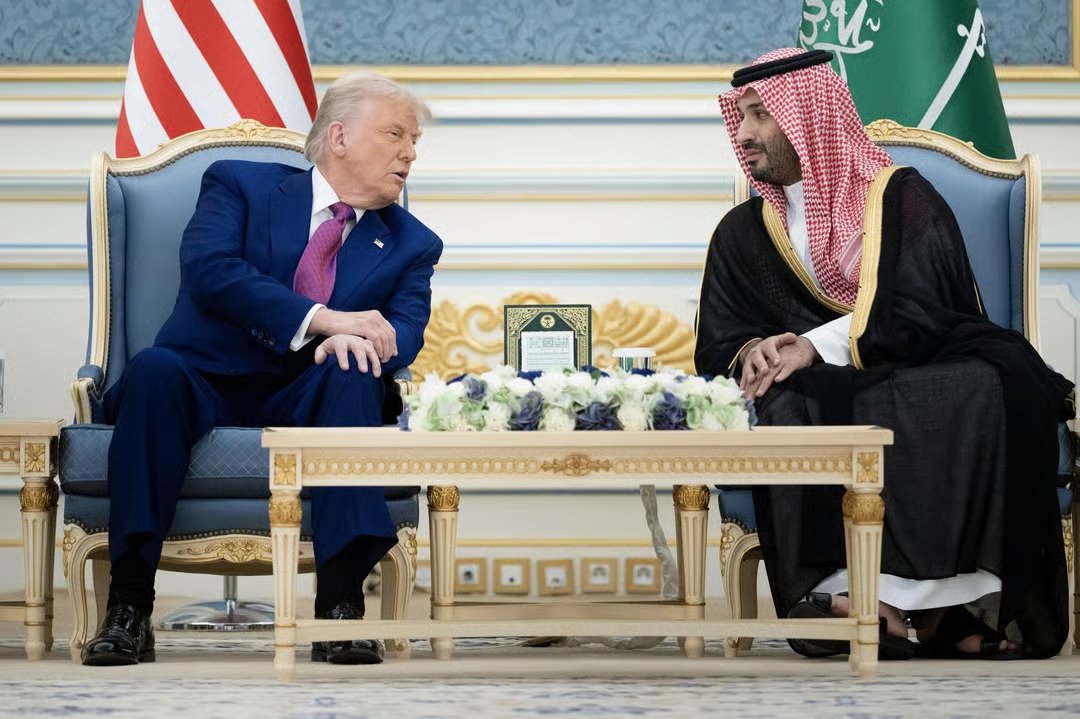

Trump Greenlights Civil Nuclear Partnership with Saudi Arabia, marking a significant step in strengthening ties between Washington and Riyadh. The decision opens the door for closer cooperation in developing Saudi Arabia’s civil nuclear energy sector while reinforcing the long-standing strategic partnership between the two countries.
The announcement has drawn global attention as governments, energy experts, and international observers evaluate how the agreement could influence regional politics, energy security, and future economic cooperation. Supporters describe the move as a milestone for peaceful nuclear development, while critics have called for strict safeguards and international oversight.
A Landmark Agreement Between Two Allies
The approval of the civil nuclear partnership reflects years of discussions between the United States and Saudi Arabia on expanding cooperation in the energy sector. Unlike military nuclear programs, civil nuclear partnerships focus on peaceful uses of nuclear technology, including electricity generation, scientific research, and medical applications.
The agreement is expected to provide a framework for sharing technology, technical expertise, safety standards, and regulatory support as Saudi Arabia works to build a modern nuclear energy industry.
Officials from both countries have emphasized that the partnership aims to promote safe, secure, and responsible nuclear development while complying with international standards.
Why Saudi Arabia Wants Nuclear Energy
Saudi Arabia has been investing heavily in diversifying its economy under its Vision 2030 strategy. While the Kingdom remains one of the world’s largest oil producers, it is also seeking alternative energy sources to meet growing domestic electricity demand.
Civil nuclear power could help Saudi Arabia:
- Reduce dependence on fossil fuels for electricity generation.
- Support long-term energy security.
- Lower carbon emissions.
- Expand clean energy production.
- Meet rising industrial and residential power needs.
The government believes that combining renewable energy with nuclear power can create a more balanced and sustainable energy mix for the future.
What the United States Gains
For the United States, the partnership strengthens an important strategic relationship in the Middle East.
American companies could benefit from future contracts involving nuclear technology, engineering services, construction, safety systems, and workforce training. The agreement may also create new opportunities for research collaboration and investment in advanced energy technologies.
Beyond economic benefits, closer cooperation allows the United States to remain actively involved in shaping international nuclear safety practices and promoting responsible use of civilian nuclear technology.
Regional and Global Significance
The announcement comes at a time when geopolitical developments in the Middle East continue to influence global diplomacy.
Energy experts believe the agreement could strengthen Saudi Arabia’s role as a regional leader in advanced energy infrastructure. At the same time, neighboring countries and international organizations are likely to monitor the implementation of the partnership closely.
Analysts note that peaceful nuclear cooperation agreements often involve extensive technical reviews, regulatory oversight, and international verification measures designed to ensure transparency and compliance with global non-proliferation commitments.
Focus on Nuclear Safety
One of the most important aspects of any civil nuclear agreement is safety.
Modern nuclear power plants operate under strict international regulations covering reactor design, waste management, emergency preparedness, cybersecurity, and environmental protection.
The partnership is expected to emphasize:
- Nuclear safety standards.
- Secure handling of nuclear materials.
- Environmental protection.
- Skilled workforce development.
- International monitoring and transparency.
These measures help build confidence that nuclear technology will be used solely for peaceful purposes.
Economic Opportunities
The agreement could generate substantial economic activity for both nations.
Large-scale nuclear projects typically require investments in engineering, manufacturing, construction, education, and long-term maintenance. This creates employment opportunities across multiple industries.
Saudi Arabia is expected to invest in training scientists, engineers, and technical professionals who can support its expanding energy sector.
For American businesses, the partnership could open opportunities in nuclear technology, consulting, infrastructure development, and advanced research.
International Reactions
The announcement has received mixed reactions around the world.
Supporters argue that expanding access to peaceful nuclear energy can help countries reduce carbon emissions while improving energy reliability.
Others stress the importance of maintaining strong international oversight to ensure that civilian nuclear technology remains dedicated to peaceful applications.
International agencies are expected to continue monitoring future developments under existing global nuclear safety and non-proliferation frameworks.
Challenges Ahead
Although the agreement represents an important diplomatic achievement, several challenges remain.
Developing a civil nuclear program requires years of planning, regulatory approvals, infrastructure development, workforce training, and environmental assessments.
Key challenges include:
- Building modern nuclear facilities.
- Recruiting highly skilled professionals.
- Maintaining strict safety standards.
- Managing long-term nuclear waste.
- Securing financing for large infrastructure projects.
Successfully addressing these issues will be essential for the long-term success of Saudi Arabia’s nuclear ambitions.
Impact on Global Energy
As countries seek cleaner and more reliable energy sources, nuclear power has regained attention as part of the global energy transition.
Many governments are investing in a combination of renewable energy, battery storage, and advanced nuclear technologies to reduce greenhouse gas emissions while maintaining stable electricity supplies.
Saudi Arabia’s entry into civilian nuclear energy could influence future investment trends across the Middle East and encourage additional regional cooperation in advanced energy technologies.
Looking Ahead
The approval of the civil nuclear partnership is expected to begin a new phase of cooperation between the United States and Saudi Arabia.
Future discussions are likely to focus on technology transfer, project planning, workforce development, regulatory cooperation, and long-term investment strategies.
Industry experts believe the success of the agreement will depend on transparent implementation, adherence to international safety standards, and continued diplomatic engagement between both countries.
Conclusion
The announcement that Trump Greenlights Civil Nuclear Partnership with Saudi Arabia represents an important development in international energy cooperation and US-Saudi relations. The agreement supports Saudi Arabia’s efforts to diversify its energy sector while creating opportunities for economic growth, technological collaboration, and peaceful nuclear development.
Although challenges remain, the partnership has the potential to reshape regional energy strategies and strengthen long-term cooperation between the two nations. As implementation moves forward, governments, businesses, and international organizations will closely watch how this landmark agreement influences the future of clean energy, diplomacy, and economic development in the Middle East.
Also read / Trump-Nominated Judge Rules Against Administration in Minnesota Case













Leave a comment