

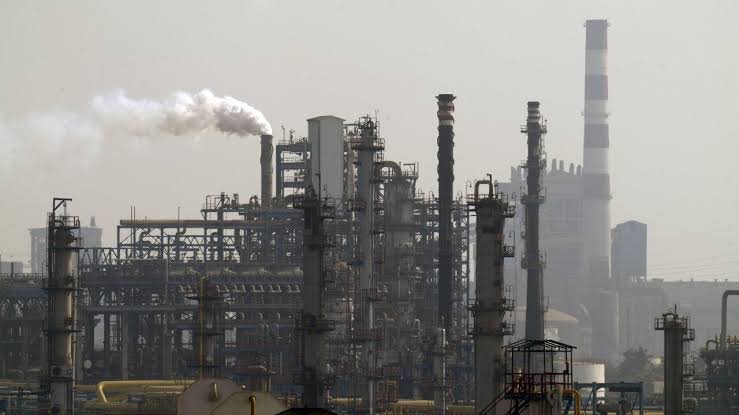

The possibility of renewed tensions between Iran and the United States has once again raised concerns across global financial and energy markets. Whenever instability emerges in the Middle East, one question quickly dominates headlines: Could this lead to a global oil crisis?
The Middle East remains one of the world’s most important energy-producing regions, supplying a significant portion of global crude oil exports. Any disruption involving Iran, a major oil producer and a strategically important nation in the Persian Gulf, has the potential to affect energy prices far beyond the region.
While a full-scale global oil crisis is not inevitable, experts believe that escalating Iran–US tensions could create serious challenges for energy markets, global trade, and economic growth.
Why the Iran-US Relationship Matters to Oil Markets
The relationship between Iran and the United States has been marked by decades of political tension, sanctions, and diplomatic disputes.
Iran possesses some of the largest proven oil and natural gas reserves in the world. Despite sanctions that have limited its exports at various times, the country remains a significant player in global energy markets.
When tensions rise, investors and traders often worry about potential supply disruptions. Even if oil production itself remains unaffected, fears of instability can drive prices higher as markets react to uncertainty.
Energy markets are highly sensitive to geopolitical developments, particularly when they involve major producers or critical shipping routes.
The Importance of the Strait of Hormuz
One of the biggest concerns surrounding any Iran-related conflict is the Strait of Hormuz.
This narrow waterway connects the Persian Gulf to international shipping routes and serves as one of the world’s most important energy corridors. A substantial percentage of global oil and liquefied natural gas shipments pass through the strait every day.
If military tensions were to disrupt maritime traffic in this region, oil supplies could be delayed or restricted. Even temporary disruptions could cause significant price volatility.
Because so many countries depend on energy shipments moving through the Strait of Hormuz, any threat to its security quickly becomes a global economic issue rather than a regional one.
How Oil Prices Could React
Oil prices often rise during periods of geopolitical uncertainty.
Markets typically respond not only to actual supply disruptions but also to the possibility of future shortages. If investors believe that conflict could affect production or transportation, crude oil prices may increase rapidly.
Higher oil prices can affect multiple sectors of the economy:
- Increased transportation costs.
- Higher fuel prices for consumers.
- Rising manufacturing expenses.
- More expensive food and goods distribution.
- Increased airline operating costs.
As businesses face higher energy expenses, these costs are often passed on to consumers, contributing to inflation.
Impact on the Global Economy
A major increase in oil prices would not affect all countries equally.
Oil-importing nations are generally more vulnerable because they rely heavily on external energy supplies. Countries across Europe and Asia could face rising import bills, increased inflation, and slower economic growth if oil prices remain elevated for an extended period.
Developing economies may be particularly vulnerable because energy costs can significantly influence household budgets and industrial activity.
At the same time, oil-exporting countries could experience higher revenues from increased crude prices. However, prolonged instability often creates broader economic uncertainty that can affect investment, trade, and financial markets worldwide.
Could Inflation Rise Again?
One of the biggest concerns among economists is the potential return of energy-driven inflation.
Many countries have spent recent years attempting to bring inflation under control following global economic disruptions. A sharp rise in oil prices could reverse some of that progress.
Energy costs influence nearly every aspect of modern economies. When fuel becomes more expensive, transportation, logistics, manufacturing, and agriculture often become more costly as well.
Central banks may then face difficult decisions regarding interest rates and economic policy. Efforts to control inflation could potentially slow economic growth, creating additional challenges for governments and businesses.
Are Global Markets Better Prepared Today?
Compared to previous oil crises, the global economy may be somewhat better positioned to manage supply disruptions.
Many countries have built strategic petroleum reserves that can be released during emergencies. Energy diversification efforts have also expanded access to alternative suppliers and renewable energy sources.
In addition, oil production outside the Middle East has grown significantly over the past two decades. Major producers such as the United States, Canada, Brazil, and others contribute substantial supplies to global markets.
These factors could help reduce the severity of a potential crisis, although they may not completely eliminate the impact of major disruptions.
The Role of OPEC and Global Producers
The response of major oil-producing nations would be critical if tensions escalate.
Countries within OPEC and other leading producers could potentially increase output to compensate for supply shortages. However, replacing large volumes of disrupted oil exports is not always easy or immediate.
Production capacity, infrastructure limitations, and market conditions all influence how quickly additional supply can reach global markets.
As a result, even if alternative supplies are available, prices may remain volatile until markets gain confidence that disruptions can be managed effectively.
What Investors Are Watching
Financial markets closely monitor several indicators when evaluating geopolitical risks:
- Military developments in the Middle East.
- Security conditions in the Strait of Hormuz.
- Changes in oil production levels.
- Diplomatic negotiations between governments.
- Energy export restrictions or sanctions.
- Global demand trends.
Any significant developments in these areas can influence investor sentiment and market behavior.
Looking Ahead
The question of whether the Iran–US conflict will trigger a global oil crisis remains uncertain. Much depends on how tensions evolve, whether diplomatic solutions can be found, and whether energy supplies remain uninterrupted.
While today’s global energy system is more diversified and resilient than in past decades, the Middle East continues to play a central role in world energy markets. Any major disruption involving Iran could affect oil prices, inflation, trade, and economic growth across multiple continents.
For governments, businesses, and consumers, the key challenge is preparation. Monitoring developments, strengthening energy security, and maintaining stable supply chains will be essential if geopolitical tensions continue to rise.
Although a full-scale global oil crisis is not guaranteed, the potential economic consequences of prolonged instability make the Iran-US situation one of the most closely watched geopolitical issues in the world today.












Leave a comment