

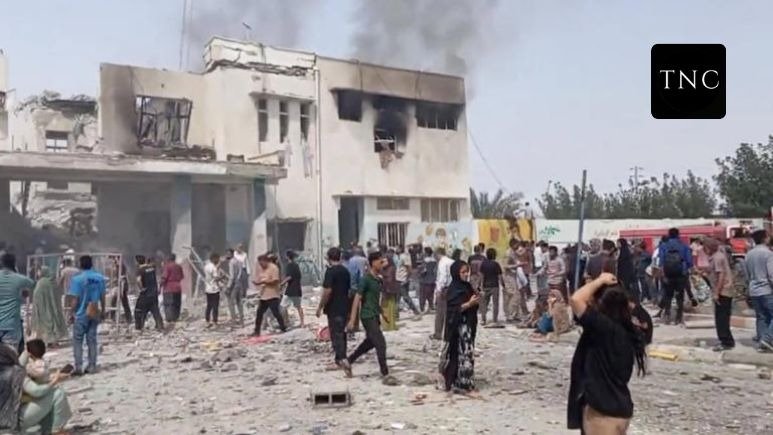

The fragile ceasefire between the United States and Iran is under intense pressure following a series of missile and drone attacks targeting the United Arab Emirates (UAE). The escalation has triggered strong global reactions, with Germany urging Iran to “stop holding the world hostage” and return to diplomatic negotiations.
The ceasefire, which began on April 8 after weeks of intense conflict, had brought temporary calm to the Middle East. However, recent developments suggest that stability in the region remains uncertain.
What Happened in the UAE?
Iran allegedly launched missile and drone strikes against vital UAE infrastructure, including the Fujairah oil complex, one of the most important energy hubs in the area, which rekindled tensions. A number of people, including foreign nationals, were hurt when fires started.
This marks the first major attack on a Gulf nation since the ceasefire took effect, raising fears of a wider regional conflict.
Germany and Global Leaders React
German Chancellor Friedrich Merz strongly condemned the attack, calling on Iran to:
- Return to negotiations
- End disruptions in the Strait of Hormuz
- Stop “holding the region and the world hostage”
- Other global leaders, including those from the UK, France, and Canada, echoed similar concerns, urging immediate de-escalation and diplomacy.
India strongly denounced the attack, calling it “unacceptable,” particularly in light of allegations that Indian citizens were hurt.
Ceasefire Still Holding But Barely
US authorities insist that the truce is still in effect in theory despite the escalation. However, conflicts in the Strait of Hormuz, including assaults on commercial vessels, have cast doubt on its long-term viability.
Maintaining global energy supply lines is crucial, and the US military has started operations to safeguard shipping routes in the area.
Why the Strait of Hormuz Matters
One of the most important oil transit routes in the world is the Strait of Hormuz. Any disturbance may have direct effects on the world economy, such as:
- Growing costs of oil
- Disruptions in the supply chain
- A rise in geopolitical unrest
Global power tensions have already increased and shipping delays have been brought on by recent instances.
Iran’s Response
Iran has denied pre-planning the UAE attack, instead blaming US military actions for escalating tensions. Officials claim that their actions were defensive and linked to disputes over maritime control in the region. At the same time, Iranian leaders have warned that their response capability has “not even started,” signaling potential further escalation.
What Happens Next?
With diplomatic talks stalled and military activity increasing, the future of the US-Iran ceasefire remains uncertain. Key developments to watch include:
- Ongoing mediation efforts by regional players
- Security operations in the Strait of Hormuz
- Possible retaliatory actions from affected nations
The situation remains fluid, with global markets and political stability hanging in the balance.










Leave a comment