


The crowd began gathering before sunrise. Women in bright saris stood in narrow lanes outside polling booths. Young men checked voter slips under tea stall lights. Elderly voters leaned on walking sticks, waiting patiently as security forces watched from a distance. By noon, long queues had spilled into village roads and city neighborhoods alike. In parts of West Bengal, turnout surged to striking levels. For many voters, it was less about statistics and more about a familiar ritual: showing up to be counted.
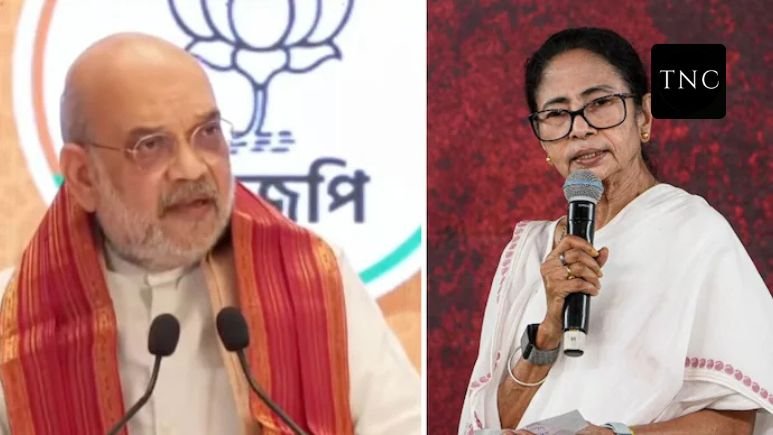
That is the backdrop to Union Home Minister Amit Shah declaring that the high voter turnout signals a pro-BJP wave and that “time is up” for Mamata Banerjee. His claim is not just campaign rhetoric; it reflects the central question of the 2026 West Bengal election: can the Bharatiya Janata Party convert enthusiasm into seats in a state long dominated by Banerjee’s All India Trinamool Congress?
West Bengal has become one of India’s fiercest political battlegrounds. For the BJP, victory here would mark a historic breakthrough in eastern India and strengthen its national footprint. For Banerjee, winning another term would reaffirm her status as one of the country’s most resilient regional leaders.
But turnout numbers can mislead. Every party reads them in its own favor. The BJP says large participation means voters want change. The TMC argues high turnout also reflects strong grassroots mobilization in its traditional bastions. Political history offers examples of both interpretations being right and wrong.
Shah’s prediction that the BJP could win more than 110 of the 152 seats in the first phase is bold, perhaps intentionally so. Strong claims energize party workers, shape media narratives, and create momentum ahead of later polling rounds. Elections are fought not only in booths, but in perception.
Yet Bengal is rarely simple. Caste equations, minority votes, women beneficiaries of welfare schemes, rural anger, urban aspirations, and local candidate strength often matter more than headline speeches. Banerjee has repeatedly survived national challenges by leaning on welfare politics and a personal image of defiance. The BJP, meanwhile, has built a stronger organization than it had five years ago and hopes anti-incumbency can do the rest.
The real story may not be turnout itself, but who turned out. Were first-time voters decisive? Did women vote in larger numbers? Did rural districts swing harder than Kolkata suburbs? Those answers usually decide governments.
Amit Shah has thrown down the gauntlet, using turnout as proof that Bengal is ready to change course. But in West Bengal, crowds at polling booths do not always translate into power. The queues were real. The mandate remains uncertain.
Also Read / The Soil Is Still Dark: How Nandigram’s 2007 Wounds Keep Shaping West Bengal’s Political Future.










Leave a comment