

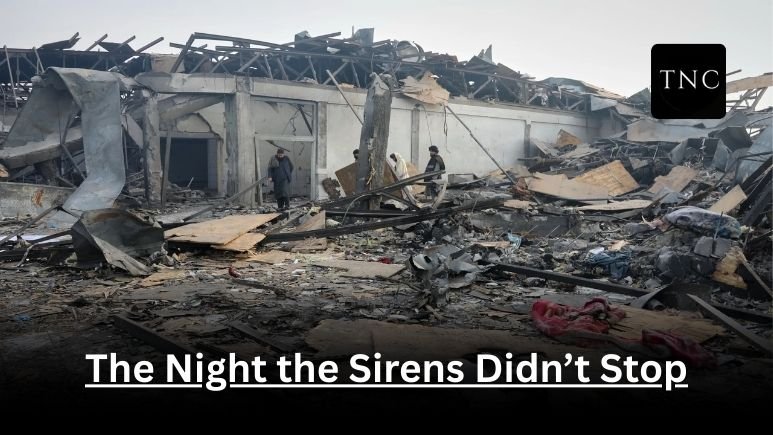

The generator had just kicked in when the first explosion tore through the ward.
Abdul Rahman, a volunteer orderly, remembers the fluorescent lights flickering above rows of iron beds. Patients many still detoxing were strapped to mattresses to keep them from hurting themselves. Some couldn’t even stand. When the blast hit, the ceiling cracked like dry earth. Dust swallowed the room. Then came the second strike.
Outside, flames clawed into the Kabul sky. Inside, the air filled with a mix of antiseptic, smoke, and something metallic. Rahman dragged one man toward the exit, slipping on shattered glass. The corridor was gone, just rubble and voices buried underneath it.
By morning, the hospital had become a mass grave.
The alleged Pakistani airstrike on a drug rehabilitation hospital in Kabul reportedly killing more than 400 people and injuring around 250 marks one of the deadliest moments in the escalating conflict between Afghanistan and Pakistan.
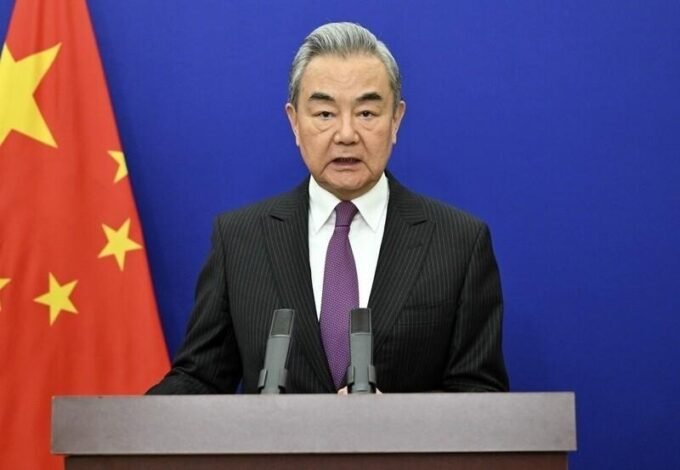
The Taliban has called it a “crime against humanity,” with spokesperson Suhail Shaheen warning that Pakistan will be met with a response “in their language.”
Pakistan denies targeting civilians, insisting the strikes were aimed at militant infrastructure.
Between those two claims lies the truth that matters most: civilians are once again caught in the crossfire of a conflict that is no longer simmering it’s boiling over.
This wasn’t an isolated strike. It was the latest move in a conflict that has been building for weeks.
Tensions between Afghanistan’s Taliban government and Pakistan have sharply deteriorated since late February, driven by mutual accusations: Pakistan says Afghanistan harbors militants; Afghanistan says Pakistan violates its sovereignty.
The result is a familiar but dangerous pattern.
Airstrikes. Denials. Retaliation threats.
Repeat.
Pakistan claims precision targeting. Afghanistan reports civilian devastation. Independent verification remains limited, but images from the ground tell a consistent story: collapsed buildings, overwhelmed rescue teams, bodies pulled from debris.
And this time, the target a rehabilitation hospital adds a brutal layer of symbolism. These were not combatants on a battlefield. Many were among the most vulnerable: people fighting addiction, unable to flee, trapped in beds when the bombs fell.
The strike also signals a shift in the rules of engagement.
Hospitals are supposed to be protected under international law. When they are hit intentionally or not it sends a message: the boundaries of war are eroding. Fast.
Meanwhile, global concern is rising. The United Nations has urged restraint, but diplomatic pressure has yet to slow the momentum.
And in the background, a more dangerous possibility looms: this conflict could widen. Both nations sit at the crossroads of regional militancy, with groups like ISIS and al-Qaeda still active in the region.
Escalation here doesn’t stay contained.
What happened in Kabul is not just another headline, it’s a warning.
When two neighboring states trade accusations and airstrikes, truth becomes contested, and civilians become collateral. The destruction of a hospital isn’t just a tragedy; it’s a signal that the conflict has crossed a line.
And once that line is crossed, history shows it rarely holds.
Also Read / Pakistan-Afghanistan Tensions Escalate as Airstrikes, Cross-Border Violence Continue.










Leave a comment