

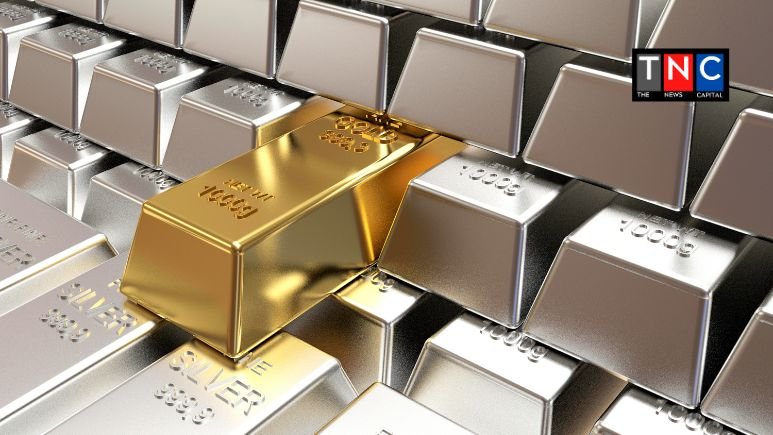

In a historic day for commodity markets, precious metals have decoupled from traditional valuation metrics as a “perfect storm” of geopolitical friction, a plummeting U.S. dollar, and a scramble for safe-haven assets drove gold and silver to heights previously considered unimaginable in the Indian market. The “flight to safety” turned into a full-scale sprint on Wednesday, January 28, 2026, as gold and silver prices scaled fresh lifetime highs on the Multi-Commodity Exchange, with gold futures breaching the monumental ₹1.62 lakh per 10 grams mark while silver skyrocketed to nearly ₹3.9 lakh per kg amid collapsing confidence in traditional financial assets.
Market analysts point to three primary “engines” fuelling this unprecedented surge in precious metals prices that has transformed gold and silver from portfolio diversifiers into must-own panic assets.
- The ‘Greenland’ Standoff: President Trump’s aggressive push to acquire Greenland and the subsequent threat of 10-25% tariffs on European allies have sparked fears of a fractured NATO and a systemic trade war, prompting central banks to aggressively diversify away from U.S. Treasuries and into bullion.
- Iran Escalation: With a massive U.S. naval “armada” approaching the Strait of Hormuz and Tehran warning of a “finger on the trigger,” the threat of a major Middle Eastern conflict that could disrupt global oil supplies has sent spot gold prices soaring past $5,200 an ounce.
- The Dollar’s Decline: The U.S. Dollar Index (DXY) plummeted to 96.92, its lowest level since 2022, making gold significantly cheaper for buyers using other currencies and adding momentum to the buying spree while eroding confidence in dollar-denominated assets.
- Confidence Collapse: The combination reflects fundamental erosion of confidence in the post-World War II system that Canadian PM Carney called a “rupture” when alliances fracture, wars threaten, and currencies weaken simultaneously, gold becomes the only universally trusted store of value.
While gold is being driven primarily by fear and safe-haven demand, silver is benefiting from a dual-engine of geopolitical panic and industrial supply crisis that has created unprecedented price momentum.
- The AI & Solar Squeeze: Beyond its role as a hedge, silver is currently facing a massive supply deficit driven by structural demand increases. The expansion of AI data centres (requiring silver for semiconductors and circuit boards) and global solar panel manufacturing in early 2026 is projected to consume over 120 million ounces this year alone.
- China’s Export Curbs: On January 1, 2026, Beijing introduced strict new export licensing requirements for silver, creating a “liquidity trap” for industrial buyers and forcing manufacturers to pay record premiums to secure physical metal.
- Industrial Panic: Unlike gold, which can be hoarded indefinitely, silver’s industrial users face production shutdowns if they cannot secure supplies, creating inelastic demand that drives prices higher regardless of cost.
- Silver-Gold Ratio: The 51% monthly gain in silver versus 17% for gold reflects this dual demand dynamic, with the silver-gold ratio compressing as industrial buyers compete with safe-haven investors.
The Price Board: Historic Levels Across Metals
| Asset | MCX Price (Jan 28) | International (Spot) | 2026 Monthly Gain |
| Gold (24K) | ₹1,62,429 / 10g | $5,233 / oz | +17% |
| Silver | ₹3,87,100 / kg | $115.17 / oz | +51% |
| Platinum | ₹2,67,540 / 10g | $2,684 / oz | +30% |
(Sources: MCX, FXStreet, NDTV Profit)
- Gold Context: The ₹1.62 lakh level represents a roughly 20% increase from December 2025 levels and shatters previous records set during the COVID-19 pandemic panic.
- Silver Explosion: The ₹3.9 lakh per kg price for silver represents the most dramatic surge, with the 51% monthly gain reflecting the compression of industrial supply even as investment demand surges.
- Platinum’s Rise: Platinum’s 30% gain reflects its dual role as both industrial metal (catalytic converters, chemical processing) and jewellery alternative to increasingly expensive gold.
- Broad Precious Metals Rally: The simultaneous surge across all precious metals indicates this is not a metal-specific story but a broad flight from financial assets into physical commodities.
The “aggressive diversification” by central banks away from U.S. Treasuries represents a structural shift with long-term implications for gold demand.
- De-Dollarization Acceleration: Central banks, particularly from emerging markets and nations facing U.S. sanctions threats, are reducing dollar reserve holdings in favor of gold that cannot be frozen or weaponized.
- China’s Gold Accumulation: The People’s Bank of China has been a consistent buyer, adding to reserves as Beijing prepares for potential financial warfare scenarios involving frozen assets.
- India’s RBI Purchases: The Reserve Bank of India increased gold reserves to 880+ metric tonnes by late 2025, viewing bullion as hedge against dollar volatility and potential sanctions in multipolar world.
- BRICS Coordination: Speculation exists about coordinated gold accumulation among BRICS nations as foundation for alternative settlement systems that bypass dollar-dominated infrastructure.
As the rally continues, all eyes are on Washington, where the U.S. Federal Reserve is scheduled to release its policy decision that could either accelerate or moderate the precious metals surge.
“We are experiencing a rare alignment of macroeconomic and structural forces. If the Fed signals a rate pause or easing to combat the dollar’s weakness, we could see gold move toward the ₹1.75 lakh level within the coming weeks.” Manoj Kumar Jain, Analyst at Prithvi Finmart
- Rate Decision Impact: Higher interest rates typically strengthen the dollar and reduce gold’s appeal by making yield-bearing assets more attractive, while rate cuts or pauses have the opposite effect.
- Dollar Dilemma: The Fed faces a difficult choice raising rates to support the weakening dollar risks recession, while cutting rates or pausing risks accelerating dollar decline and inflation.
- Gold’s Win-Win: In the current environment, gold may benefit regardless of Fed action rate cuts directly boost prices, while rate hikes that fail to stabilize confidence or trigger recession drive safe-haven demand.
- ₹1.75 Lakh Target: The analyst’s projection suggests another 8% upside from current levels if the Fed signals accommodation, which would place gold at levels unthinkable just months ago.
For the Indian consumer, the surge is bittersweet while investors are seeing record returns, the wedding season is facing significant “sticker shock” that is reshaping traditional jewellery buying patterns.
- Middle-Class Priced Out: The ₹1.62 lakh per 10 grams price point moves 24-karat gold jewellery effectively out of reach for average middle-class buyers who traditionally purchase gold for weddings and festivals.
- Design Adaptation: Many jewellers are reporting a shift toward lighter designs and 18-karat gold (75% purity versus 99.9% for 24K) as consumers seek to maintain gold ownership while managing costs.
- Silver Substitution: Some consumers are shifting from gold to silver jewellery, though silver’s own 51% surge limits this strategy’s effectiveness.
- Cultural Tension: India’s deep cultural connection to gold particularly for weddings where gold jewellery represents family wealth and auspiciousness creates painful choices when prices surge beyond affordability.
India’s unique position as both the world’s largest gold consumer and a major investment market creates complex dynamics as prices surge.
- Investor Euphoria: Those who purchased gold as investment or held inherited jewelry are seeing paper wealth surge, with some families considering selling heirloom pieces to capture gains.
- Import Implications: High prices should theoretically reduce import demand, helping India’s current account deficit, but cultural factors and wedding calendar may maintain demand regardless of price.
- Gold Loan Boom: Existing gold jewelry becomes more valuable collateral for loans, potentially increasing liquidity for households facing economic stress even as new purchases become unaffordable.
- Smuggling Risk: Extreme price differentials between India (with import duties) and international markets create increased incentives for smuggling, challenging customs enforcement.
The price surge raises questions about supply responses and whether production can increase to moderate prices.
- Mine Production Lag: Gold mining requires years from discovery to production, meaning current prices cannot trigger rapid supply increases even if they incentivize exploration.
- Silver’s Industrial Lock: Much silver comes as byproduct of copper, lead, and zinc mining, meaning dedicated silver production increases are difficult regardless of price incentives.
- Recycling Surge: High prices typically trigger increased recycling of old jewelry and industrial scrap, representing the most responsive supply source that could moderate prices.
- Central Bank Sales: Some central banks with large gold reserves might consider sales to capture high prices, though current geopolitical environment makes most prefer holding physical metal.
While fundamentals support higher precious metals prices, the pace and magnitude of the surge raises questions about sustainability and correction risk.
- Momentum Exhaustion: The 17% monthly gain in gold and 51% in silver represent extraordinary moves that historically precede corrections as late buyers get trapped.
- Geopolitical Resolution: Any de-escalation of Iran tensions or resolution of U.S.-Europe Greenland dispute could trigger profit-taking that sends prices sharply lower.
- Dollar Stabilization: Fed action or reduced geopolitical uncertainty that stabilizes the dollar could remove a key pillar supporting precious metals prices.
- Speculative Positioning: Extreme bullish positioning in futures markets creates vulnerability to cascading liquidation if sentiment shifts suddenly.
The analyst’s ₹1.75 lakh projection represents the bulls’ case, but the actual trajectory depends on unpredictable geopolitical and monetary factors.
- Best Case (Bulls): Fed accommodation plus Iran conflict escalation could indeed push gold to ₹1.75 lakh or higher as panic buying intensifies.
- Base Case (Consolidation): Prices stabilize near current levels as markets digest gains, with volatility around geopolitical headlines but no dramatic directional move.
- Bear Case (Correction): Geopolitical de-escalation plus Fed hawkishness triggers 10-15% correction as speculative longs exit and safe-haven premium evaporates.
- Structural Support: Regardless of near-term volatility, de-dollarization trends and alliance fractures suggest structurally higher gold prices than pre-2025 levels.
Gold’s breach of ₹1.62 lakh and silver’s surge to ₹3.9 lakh reflect not just typical safe-haven flows but a fundamental crisis of confidence in the dollar-based system, with the Greenland standoff threatening NATO, the Iran armada risking oil supply disruption, and the dollar index hitting four-year lows creating a perfect storm that has transformed precious metals from portfolio diversifiers into must-own panic assets the 51% monthly silver gain exceeding gold’s 17% rise reflects industrial supply crisis layered atop geopolitical fear, while Indian wedding shoppers face sticker shock forcing shifts to lighter designs and lower-karat gold as traditional jewellery buying collides with record prices that price the middle class out of 24-karat purchases.
Also Read / Crypto Market Crash Reasons 2025: How a $1 Trillion Selloff Reshaped the Digital Asset Landscape.












Leave a comment