

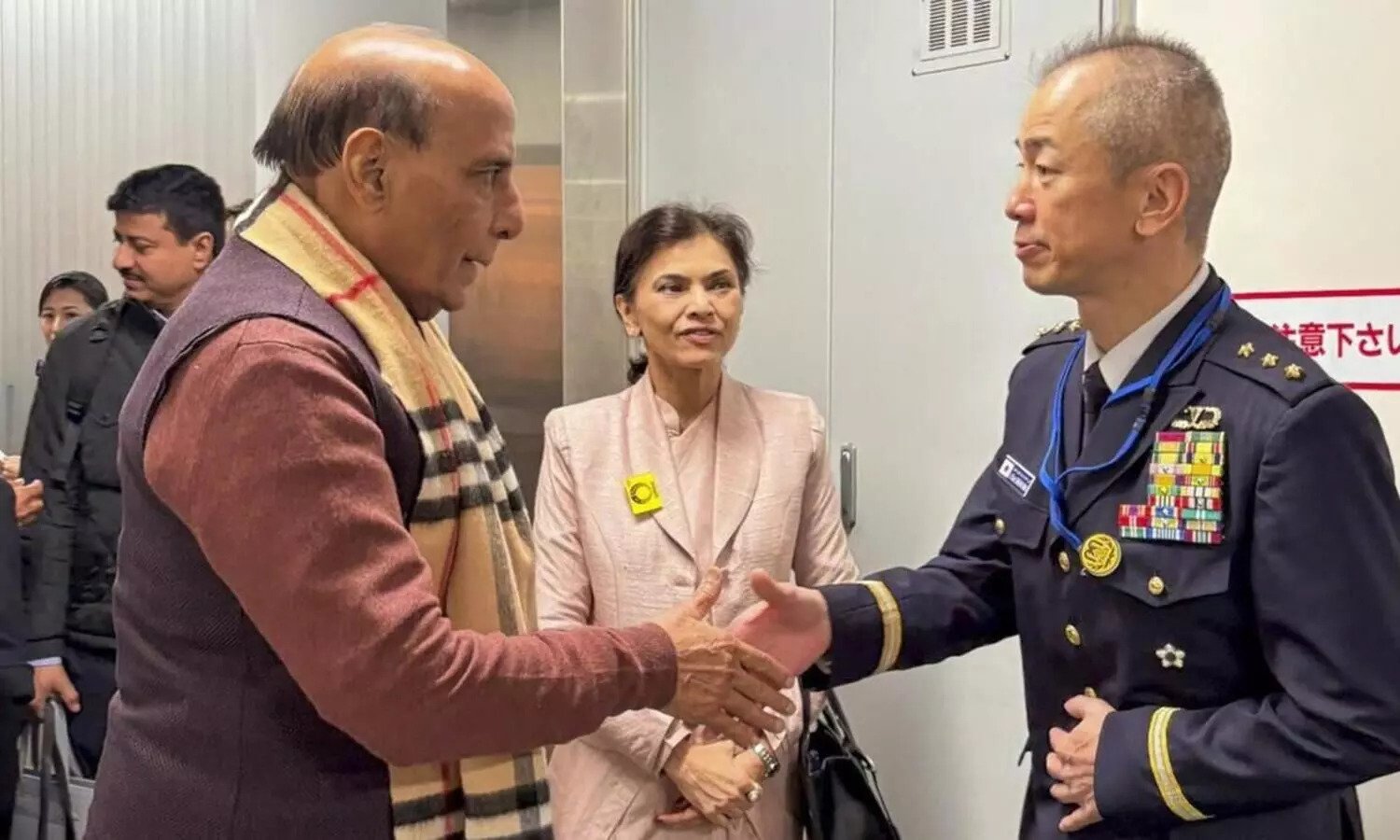

Indian and Japanese sailors spent two days training together off Japan’s coast last week. On Thursday, the ministers responsible for India-Japan defence ties will meet in Tokyo to discuss how much further that cooperation should go. Defence Minister Rajnath Singh and External Affairs Minister S. Jaishankar is in the Japanese capital for talks covering joint exercises, maritime security and the possibility of closer links between the two countries’ defence industries.
Japan’s Defence Minister Shinjiro Koizumi and Foreign Minister Toshimitsu Motegi will join them on 19 November for the fourth India–Japan “2+2” dialogue. For Singh and Koizumi, Tokyo marks their third meeting this year. They met in New Delhi in August and again in Cebu, in the Philippines, in October. In Tokyo, the foreign ministers will join a conversation that already ranges from how ships train together to whether the two countries could help design and build them.
What is the India-Japan 2+2 dialogue?
The name describes who sits at the table. Each country sends two ministers, one responsible for foreign affairs and one for defence. That gives all four a chance to discuss a practical question, such as expanding a naval exercise, alongside a diplomatic one, such as which international rules they want countries to uphold at sea. India and Japan held their first ministerial meeting in this format in New Delhi in November 2019.
At the previous round, in August 2024, the ministers backed the peaceful settlement of disputes and respect for national borders. A year later, India and Japan issued a new declaration on security cooperation. It covered issues as varied as coast guard contacts and trade in strategically important goods. That history helps explain why the Tokyo agenda includes economic questions alongside military ones.
What the two navies practised off Japan
On 13 and 14 November, the Indian frigate INS Sahyadri joined the Japanese ship JS Ise south of Honshu, Japan’s largest island. During an exercise called JAIMEX, the crews practised manoeuvring their ships together, exchanging messages and conducting cross-deck landings. The last term describes an aircraft landing on a partner ship’s deck. It is a task that requires the visiting aircrew and the sailors receiving them to understand one another’s signals and routines.
For the crew of Sahyadri, this was the second exercise in Japanese waters that month. The ship had just taken part in Malabar, which brought together India, Japan, Australia and the United States. That exercise included time in harbour for crews to visit one another’s ships before they trained at sea. JAIMEX then gave the Indian and Japanese crews two days to focus on how their own services work together.
Could India and Japan build ships together?
Shipbuilding is one of the more specific ideas to emerge from the earlier talks. After the October meeting in Cebu, the two defence ministers said they were exploring whether Japanese technical expertise and Indian production capacity could support joint work on naval ship design and construction. They also discussed how to improve their ability to deal with sea mines. The October statement left the choice of a shipbuilding project open.
Companies have already joined the conversation. Around 40 Indian and Japanese businesses took part in a defence industry forum at the Indian embassy in Tokyo, according to the October statement. For those companies, a detail worth watching after this visit is whether the ministers identify a particular piece of equipment or an area of design for further work. That would give manufacturers a clearer idea of where their skills might be needed.
Why the talks go beyond maritime security
The air forces have a recent milestone of their own. During the Veer Guardian exercise earlier this year, Japanese air force fighter aircraft visited India for the first time. India’s defence ministry says Singh and Koizumi’s agenda includes expanding training across the army, navy and air force. One question for Tokyo is how the services can build on a first visit and give more personnel the chance to train together.
Jaishankar and Motegi will also meet separately on Thursday for the 19th India-Japan Foreign Ministers’ Strategic Dialogue. Japan’s foreign ministry has identified the economy, economic security and regional challenges among the subjects for the day. For businesses, economic security can come down to a straightforward question. If an overseas supplier can no longer deliver an essential part, where else can a manufacturer obtain it? That concern gives the foreign ministers a reason to look beyond defence equipment alone.
When the meetings end, one way to judge their significance will be to look for a named project, a future exercise or a date for officials to report back. The two navies can already point to something concrete from November: two ships and two crews that have practised working together. The question facing the four ministers is which part of that partnership they want to develop next.
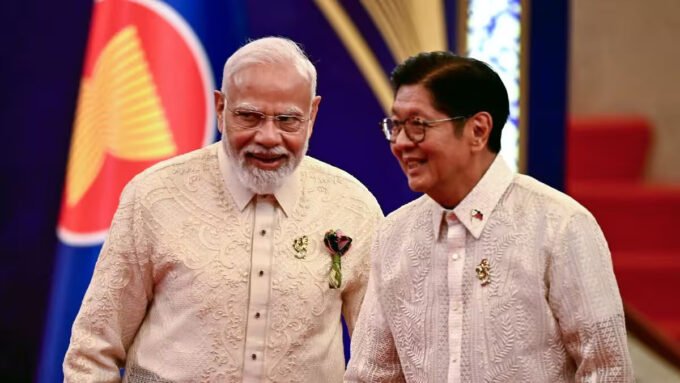
Also Read | PM Modi Joins ASEAN-India Summit in Manila: Major Announcements








Leave a comment