

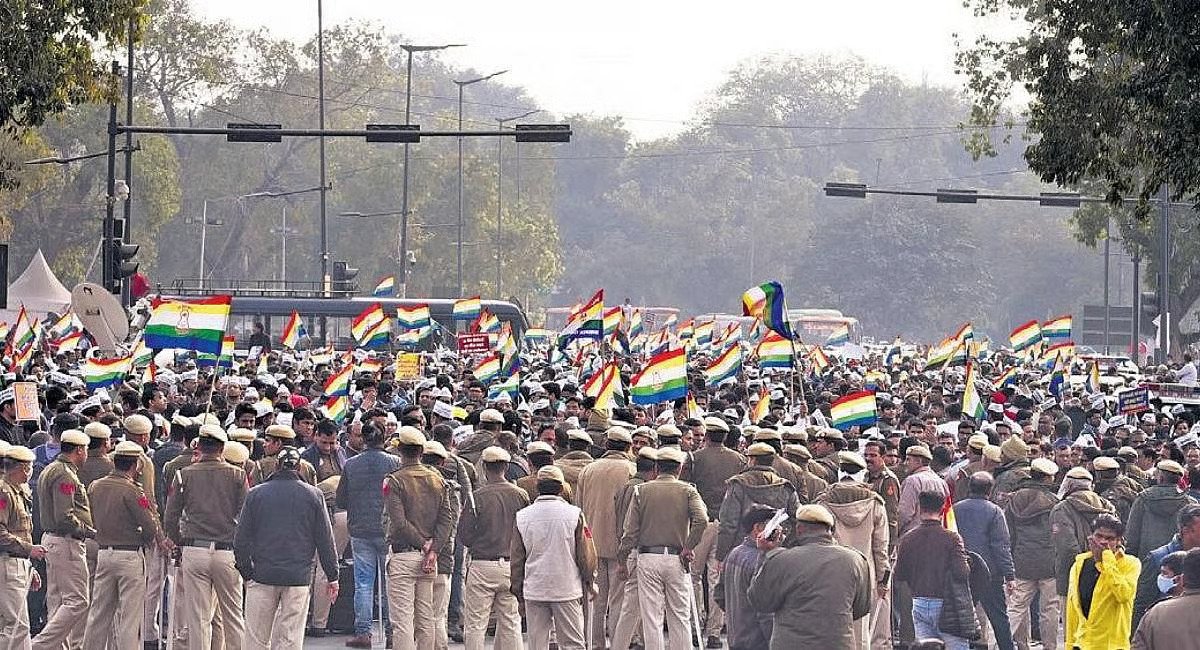

The Jharkhand Student Protest has entered a new phase as discussions between student representatives and the Jharkhand government continue over alleged irregularities in recruitment examinations. While negotiations have created hope for a peaceful resolution, thousands of students remain determined to continue their movement until concrete action is announced.
The protest, which began as a demand for greater transparency in government recruitment, has now become one of the state’s largest youth-led movements in recent years. Student leader Devendra Nath Mahto, whose hunger strike brought nationwide attention to the issue, remains one of the key faces of the campaign.
Why Are Students Protesting?
The movement began after students raised concerns about alleged irregularities in recruitment examinations conducted by the Jharkhand Public Service Commission (JPSC) and the Jharkhand Staff Selection Commission (JSSC).
Many government job aspirants believe that the recruitment process should be made more transparent. They have demanded a fair investigation into the allegations and stronger safeguards to prevent future examination controversies.
The issue has attracted attention across Jharkhand because government jobs remain highly competitive and are considered an important source of secure employment.
Government Opens Dialogue
The Jharkhand government has initiated multiple rounds of discussions with student representatives in an effort to resolve the dispute.
Officials have stated that the government is committed to listening to students’ concerns while ensuring that legal procedures are followed. The administration has also emphasized that peaceful dialogue remains the preferred path toward a solution.
The negotiations have reduced tensions to some extent, but no final agreement has yet been announced.
Protest Enters a New Phase
Although discussions are underway, the protest has entered a new stage rather than coming to an end.
Student organizations have announced that peaceful demonstrations will continue until their major demands receive formal approval. Instead of relying only on hunger strikes, the movement is now focusing on organized public meetings, awareness campaigns, and coordinated demonstrations across different districts.
Protest leaders say they want constructive dialogue but also expect measurable action from the government.
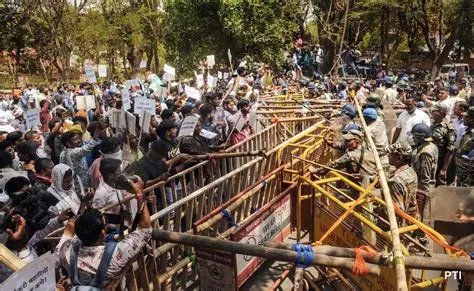
Devendra Nath Mahto Remains the Face of the Movement
Student leader Devendra Nath Mahto continues to play a central role in the protest.
His indefinite hunger strike drew national attention after concerns grew over his health. Following appeals from well-wishers, including social activist Sonam Wangchuk, Mahto agreed to consume water while continuing his campaign.
Despite health challenges, he has continued participating in meetings and public events, urging students to maintain peaceful protests.
His leadership has made him one of the most recognized student activists in Jharkhand.
What Are the Students Demanding?
The protesters have outlined several key demands:
- A transparent investigation into alleged recruitment irregularities.
- Stronger accountability in recruitment examinations.
- Merit-based selection for government jobs.
- Timely completion of recruitment processes.
- Institutional reforms to improve examination transparency.
Many students believe these reforms will restore confidence in public recruitment.
Public Support Grows
The movement has gained support from students, parents, education groups, and civil society organizations.
Many people argue that transparent recruitment systems are essential for maintaining trust in public institutions. Social media campaigns have also amplified the voices of job aspirants across the state.
Public discussions now extend beyond individual examinations and focus on long-term reforms.
Political Attention Increases
The ongoing protest has become an important political issue in Jharkhand.
Opposition leaders have criticized the handling of recruitment controversies, while the state government has defended its efforts to engage with students through dialogue.
Political analysts believe the issue could influence future policy discussions on education, employment, and governance.
Youth employment has become one of the most discussed issues in the state.
Why the Protest Matters
The Jharkhand Student Protest represents more than a disagreement over recruitment examinations.
It reflects broader concerns about fairness, transparency, and equal opportunity in government employment. Thousands of young people spend years preparing for competitive examinations, making recruitment integrity a matter of public confidence.
Experts believe stronger examination systems can benefit both candidates and government institutions.
Challenges Ahead
Although negotiations have continued, several challenges remain.
Both sides must find common ground while ensuring that legal procedures are respected. Students continue seeking clear commitments, while government officials must balance administrative and legal responsibilities.
Observers believe continued dialogue will be essential for achieving a lasting solution.
What Happens Next?
The coming weeks will be crucial for the future of the movement.
Further meetings between student representatives and government officials are expected. Protest leaders have stated that demonstrations will remain peaceful while discussions continue.
Many job aspirants hope the negotiations will result in practical reforms rather than temporary assurances.
If progress is achieved, the movement could influence recruitment policies beyond Jharkhand.
Impact Beyond Jharkhand
Recruitment controversies have occurred in several Indian states in recent years.
The Jharkhand Student Protest has therefore attracted attention from students across the country who are following the developments closely.
Many believe the outcome could encourage broader reforms aimed at improving transparency and fairness in public examinations.
The movement has become an important example of peaceful civic participation by young citizens.
Conclusion
The Jharkhand Student Protest has entered a significant new phase as negotiations with the government continue alongside ongoing demonstrations. While dialogue has created optimism, students remain committed to securing meaningful reforms in the recruitment process.
Also Read | Sheikh Hasina Says She Will Return to Bangladesh After Two Years in Exile











Leave a comment