

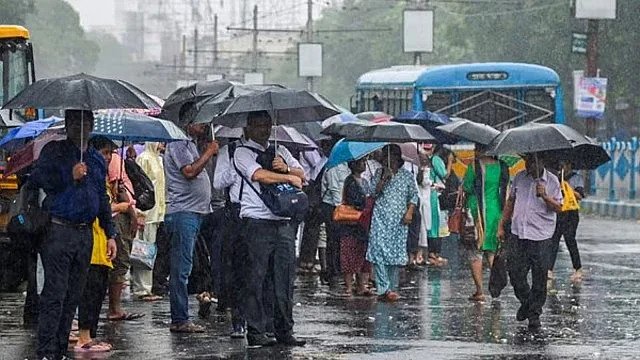

The arrival of the southwest monsoon has brought much-needed relief from Delhi’s scorching summer heat, but it has also introduced a new set of challenges. The India Meteorological Department (IMD) has issued a Yellow Alert for Delhi and the National Capital Region (NCR), warning residents of continued rainfall, thunderstorms, lightning, and gusty winds over the coming days. The advisory comes after heavy showers caused waterlogging, traffic congestion, and disruptions to daily life across several parts of the capital.
While the rain has lowered temperatures and improved air quality, authorities are urging residents to remain cautious as weather conditions remain unpredictable.
What Does a Yellow Alert Mean?
The IMD uses a color-coded warning system to inform the public about weather-related risks.
A Yellow Alert signifies that people should “be aware” of potentially adverse weather conditions. It does not indicate an emergency but serves as an early warning that localized disruptions are possible. Residents are advised to stay informed through official weather updates and take reasonable precautions before traveling or participating in outdoor activities.
Unlike an Orange or Red Alert, a Yellow Alert generally indicates moderate weather conditions that could still affect transportation, power supply, and public safety if ignored.
Why Delhi Is Experiencing Heavy Rainfall
The current spell of rain is linked to an active southwest monsoon system that has strengthened over northern India. Moisture-laden winds from the Arabian Sea and the Bay of Bengal are interacting with local weather systems, resulting in widespread showers and thunderstorms across Delhi-NCR.
According to the IMD, rainfall activity is expected to continue over the next few days, accompanied by occasional thunderstorms and gusty winds. These conditions are likely to keep daytime temperatures lower than usual while maintaining high humidity levels.
Although the cooler weather has been welcomed by many residents, persistent rainfall has also increased the risk of urban flooding and travel disruptions.
Impact on Daily Life
Heavy monsoon showers have already affected normal life in several parts of Delhi.
Waterlogging has been reported on key roads, leading to slow-moving traffic and longer commuting times. Some underpasses and low-lying areas experienced temporary flooding, making it difficult for vehicles and pedestrians to move safely. Flight schedules and public transport services have also experienced delays due to poor visibility and adverse weather conditions.
Schools, offices, and businesses have remained operational, but commuters have been advised to allow extra travel time and monitor weather updates before leaving home.
For delivery services, cab operators, and public transport providers, the ongoing rains have created additional operational challenges.
Positive Effects of the Monsoon
Despite the disruptions, the monsoon has brought several important benefits to the capital.
The rainfall has significantly reduced temperatures, offering relief after weeks of intense heat and humidity. Cleaner air, lower dust levels, and replenished groundwater are among the immediate environmental advantages of sustained rainfall.
The rains also support agriculture in surrounding regions and contribute to improved water availability for reservoirs and rivers, which are essential for long-term water security.
For many residents, the arrival of the monsoon marks a welcome seasonal change that brings greener landscapes and a noticeable improvement in overall weather conditions.
Safety Tips During a Yellow Alert
Although a Yellow Alert is not the highest level of warning, basic precautions can help reduce risks during periods of heavy rain.
- Check the latest IMD forecasts before heading outdoors.
- Avoid driving through waterlogged roads, as hidden potholes or stalled vehicles may pose hazards.
- Stay away from electric poles, exposed wires, and flooded areas during thunderstorms.
- Carry rain gear such as umbrellas or waterproof jackets when commuting.
- Secure loose outdoor items that could be displaced by strong winds.
- Keep mobile phones charged in case of temporary power interruptions.
- Avoid unnecessary travel during periods of intense rainfall whenever possible.
Following these simple steps can help minimize inconvenience and improve personal safety.
Challenges for Urban Infrastructure
The latest spell of rain has once again highlighted the importance of strengthening urban infrastructure.
Rapid urbanization, inadequate drainage systems, and increasing climate variability have made many Indian cities more vulnerable to flooding during the monsoon season.
Experts believe that improving stormwater drainage, maintaining roads, protecting natural water bodies, and adopting climate-resilient urban planning will be essential for reducing future disruptions.
Investments in smart weather forecasting, early warning systems, and emergency response mechanisms can also help cities respond more effectively to extreme weather events.
Looking Ahead
The IMD expects monsoon conditions to remain active over Delhi-NCR in the coming days, with additional spells of rain, thunderstorms, and gusty winds likely. Residents should continue monitoring official weather advisories and plan travel accordingly.
While the rainfall has brought welcome relief from summer heat, it has also demonstrated the importance of preparedness during the monsoon season. A Yellow Alert is a reminder that even moderate weather warnings deserve attention, particularly in densely populated urban areas where heavy rain can quickly disrupt transportation and daily routines.
By staying informed, following safety guidelines, and supporting long-term improvements in urban infrastructure, Delhi can better navigate the challenges of the monsoon while making the most of the benefits it brings. As the rainy season continues, awareness and preparedness will remain the keys to ensuring that residents stay safe while enjoying the welcome change in weather.














Leave a comment