


The platform at New York’s Penn Station hums with anticipation. A father grips his son’s hand, both wrapped in Argentina jerseys, their voices rising above the metallic screech of arriving trains. They’ve flown 8,000 miles for a once-in-a-lifetime moment at the FIFA World Cup 2026 final at MetLife Stadium. Then the number flashes on his phone. $104.
He refreshes the page, thinking it’s a glitch. It isn’t. The 18-mile train ride once a routine commuter hop now costs more than a decent match ticket in previous tournaments. Around him, the excitement thins into murmurs. Some laugh in disbelief. Others quietly calculate what else they’ll have to give up.
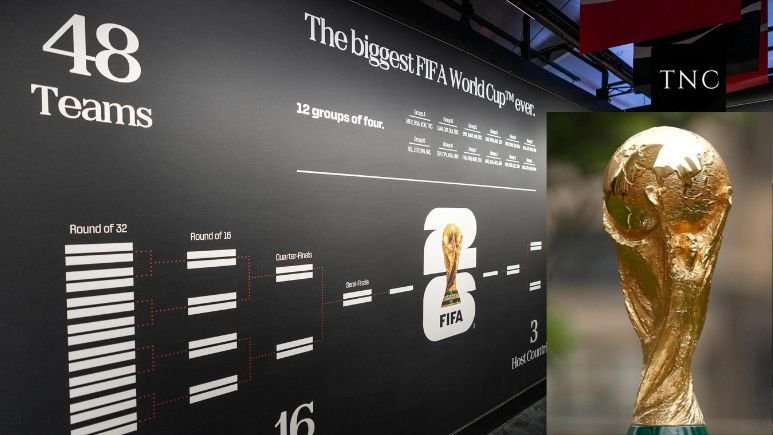
This isn’t just about one train fare. It’s about the growing cost of access to global sporting events and who gets priced out. As cities prepare for the largest World Cup in history, spanning the U.S., Canada, and Mexico, the promise of a “festival of football” is colliding with a harsher reality: the game is becoming a luxury experience.
Reports indicate that match-day rail fares between New York City and MetLife Stadium could exceed $100 up from about $12.90, a jump of nearly 700–775%. That increase reflects a broader trend of soaring costs tied to infrastructure, security, and event logistics costs that are increasingly passed on to fans rather than absorbed by organizers or governments.
Follow the money, and the story sharpens.
Hosting the World Cup isn’t just about stadiums. It’s about moving hundreds of thousands of people safely, quickly, and under intense global scrutiny. In New Jersey alone, officials estimate nearly $48 million in transit-related expenses for the tournament. Someone has to pay and increasingly, that “someone” is the fan.
Transportation agencies argue that special pricing prevents regular commuters and taxpayers from footing the bill. Politically, it’s an easier sell. Economically, it’s a shift in philosophy: mega-events are no longer subsidized public spectacles, they’re user-funded experiences.
But the ripple effects are hard to ignore.
Across host cities, the pattern repeats. In Boston, train fares are expected to quadruple. Parking near venues has surged into triple digits. Even access itself is being restricted; sections of Penn Station may be limited to ticket holders on match days, turning public infrastructure into semi-private corridors.
This isn’t how global football has historically worked. In tournaments like Russia 2018, fans were offered free or heavily subsidized transit, a recognition that accessibility fuels atmosphere. In 2026, accessibility is being replaced by segmentation.
Layer on top of the already controversial ticket pricing some seats reportedly reach thousands of dollars and a pattern emerges. The World Cup is expanding in size, but narrowing in reach.
What’s at stake isn’t just affordability. It’s identity.
Football has always thrived on its universality, the idea that anyone, from anywhere, could be part of it. When getting to the stadium costs more than a week’s wages for many, that idea begins to fracture.The Bottom Line: The 2026 World Cup may be the biggest ever staged but for many fans, it’s also becoming the hardest to reach. Not because of distance, but because of price.













Leave a comment