

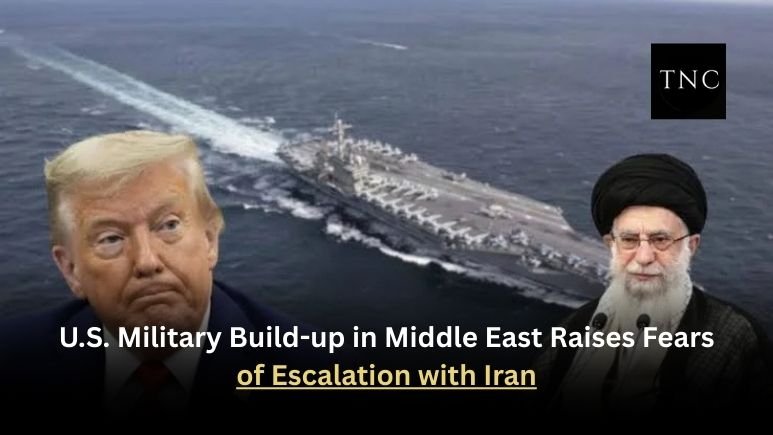

The U.S. military’s rapid buildup in the Middle East has set off alarms among diplomats, analysts, and residents across the region, as tensions with Iran mount and nuclear negotiations remain deadlocked.
Massive Force Concentration
Over the past two weeks, the Pentagon has sharply increased its military presence. The aircraft carrier USS Abraham Lincoln is on station in the Arabian Sea, while the USS Gerald R. Ford transited the Strait of Gibraltar on February 18, according to open-source tracking data from Flightradar24. Meanwhile, squadrons of F-22 fighters and KC-135 aerial tankers have been conducting frequent patrols over the Persian Gulf, corroborated by flight logs and satellite imagery.
Strategic Posture and Regional Anxiety
U.S. officials, speaking to CNN and the Wall Street Journal, describe the deployments as “deterrence” aimed at discouraging any escalation by Iran or its proxies. For many in the region, however, the buildup conjures memories of past crises.
“We’re worried for our families,” said Amal, a teacher in Bahrain, echoing concerns voiced by residents interviewed by local media outlets. Business owners have reported disruptions to daily operations, citing flight cancellations and increased security checks.
Iranian Response and Diplomatic Stalemate
Iranian military officials have publicly denounced the U.S. deployments, vowing to “defend national interests by all necessary means.” On February 15, Iranian state media reported large-scale military exercises near the Strait of Hormuz, a critical chokepoint for global oil shipments.
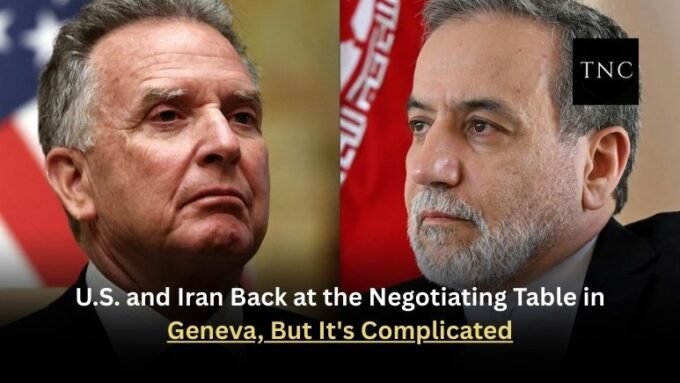
The spike in tensions comes as nuclear talks in Geneva remain stalled, with Western diplomats expressing frustration over a lack of progress. Analysts warn that in such a volatile atmosphere, even a minor incident could spiral out of control.
Economic and Global Implications
The Middle East’s pivotal role in global oil markets has not gone unnoticed. Brent crude prices climbed 4% this week, as investors weighed the risk of conflict disrupting vital shipping lanes. “We’re seeing real-time impacts on supply chains and market confidence,” said an energy analyst with the International Crisis Group.
A Delicate Balance
As both sides weigh their next moves, the region is left in suspense. “Such massing of firepower carries its own momentum,” a policy expert told CBS News. Many in the Middle East are hoping that reason and diplomacy will prevail aware that the human and economic costs of conflict would be immense.
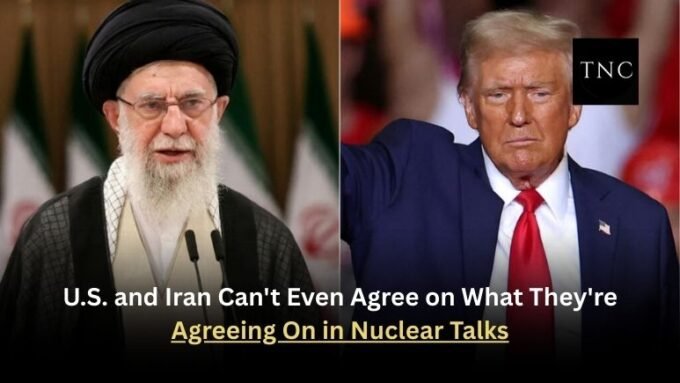
Also Read / U.S. and Iran Can’t Even Agree on What They’re Agreeing On in Nuclear Talks.









Leave a comment