

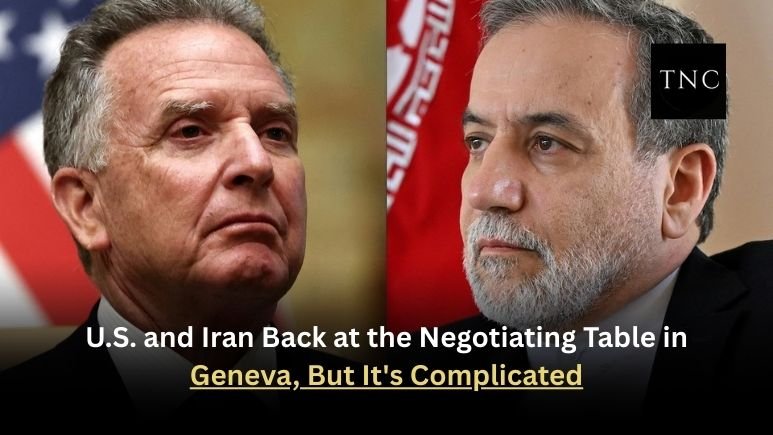

American and Iranian diplomats are back in Switzerland this week, sitting down again to try and make some headway on the nuclear standoff that’s been going on for what feels like forever. The talks resumed in Geneva, but calling the atmosphere optimistic would be a real stretch. Both sides are clearly trying to find a way forward while also dealing with a whole lot of baggage that keeps getting in the way.
The two sides are meeting through intermediaries rather than face to face, exploring whether there’s any deal to be made where Iran limits its nuclear activities in return for some sanctions being lifted. Diplomats involved are describing the conversations as “cautious and exploratory,” which is diplomatic speak for: we’re talking, but we don’t trust each other very much and we’re not sure this is going anywhere.
Trump’s words are making everything harder
The timing of these talks couldn’t be more awkward. Just as diplomats are trying to build enough trust to have a productive conversation, Donald Trump went ahead and said publicly that a “change in power” in Iran would be a good thing. Iranian officials were furious, calling it foreign interference and exactly the kind of talk that makes it harder to negotiate anything. And they’re not entirely wrong: it’s hard to sit across the table from someone and make compromises when their political leaders are publicly rooting for your government to collapse.
Analysts are pointing out that politicians on both sides keep making statements designed to play well at home that completely undermine what the diplomats are trying to do in the room. It’s a classic problem: the people doing the actual negotiating are trying to find middle ground while the politicians back home are demanding they stand firm and give nothing away.
The gap between the two sides is still enormous
When you get down to the actual substance of what each country wants, the differences are pretty stark. The U.S. is pushing for tighter monitoring of Iran’s nuclear program, lower limits on how much uranium they can enrich, and more access for inspectors. Iran’s position is basically: sure, we can talk about concessions, but we need real, guaranteed sanctions relief in return, not vague promises that could evaporate with the next administration.
Those competing demands have killed previous rounds of talks, and right now there’s nothing to suggest either side has moved significantly toward the other. Both countries’ domestic politics make compromise politically risky, which means the negotiators are working with very limited room to manoeuvre.
Everyone else is watching nervously
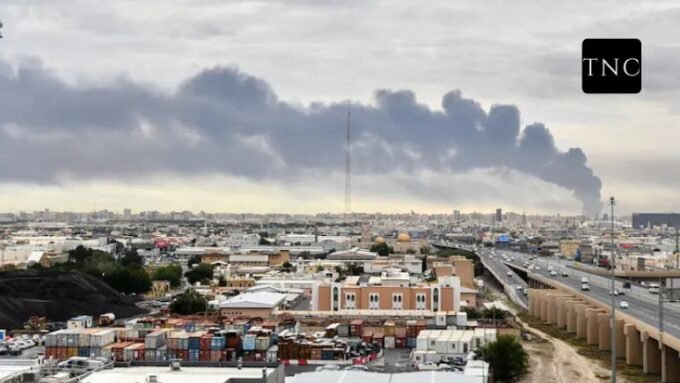
European governments and regional powers are keeping a very close eye on what’s happening in Geneva because they understand the stakes. If these talks fall apart, the alternatives aren’t pretty. More sanctions, rising military tensions, and potential disruptions to oil supplies coming out of the Persian Gulf are all on the table as possible consequences. For countries that depend on Middle East stability and affordable energy, a breakdown in diplomacy is genuinely scary.
Where things stand
Nobody’s announcing any breakthroughs right now. But the fact that both sides showed up and are indicating they’ll keep talking in the coming weeks does mean something. Even if progress is agonizingly slow, the alternative, walking away from the table entirely, is worse for everyone.
There’s a grudging acknowledgment on both sides that diplomacy is the only realistic way out of this mess. Whether that shared recognition is enough to actually produce a deal, given all the political pressure, deep mistrust, and competing demands, is the question that nobody can answer right now. For the moment, the talks are alive, barely, and that might be the best anyone can honestly say.
Also Read / Iran Digs In on Uranium Enrichment Despite Fresh Talks in Oman.








Leave a comment