


On a humid afternoon in suburban Ohio, a small business owner named Carla Ruiz refreshes her shipping dashboard for the third time in an hour. Orders are steady handmade candles bound for customers across the country but the numbers don’t add up anymore. A package that cost her $22 to ship last month is inching closer to $25. She hesitates before clicking “confirm.” Profit margins are thin, and every extra dollar eats into them. “It’s not the wax or the packaging,” she mutters. “It’s the shipping.”
What Carla doesn’t see is the invisible chain stretching far beyond her doorstep across oceans, oil routes, and conflict zones.
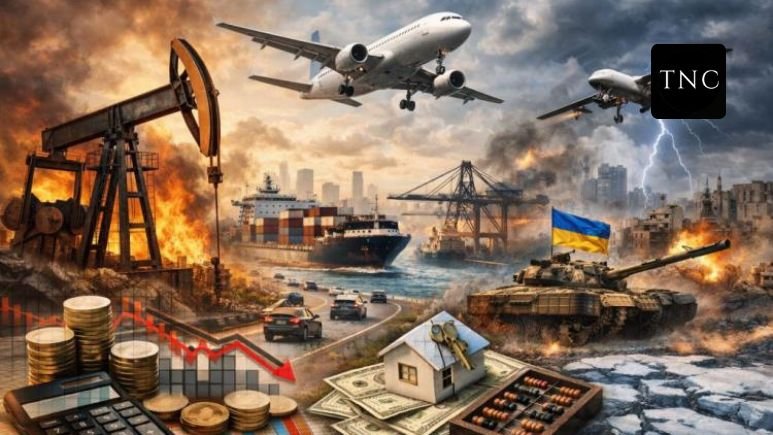
The U.S. The Postal Service’s decision to impose a temporary 8% surcharge on packages is not just a pricing adjustment, it’s a signal. A signal that global instability, particularly the escalating conflict in West Asia, is now directly shaping the cost of everyday commerce. Triggered by surging fuel prices, the move reflects how deeply logistics networks depend on energy markets and how quickly geopolitical tensions can ripple into household budgets and small businesses alike.
The surcharge, expected to begin in late April and last into early 2027, applies to key shipping services like Priority Mail and parcel deliveries, while sparing basic letter mail. That distinction matters. It reveals where the pressure is greatest: transportation.
Fuel is the lifeblood of logistics. Trucks, planes, and sorting facilities all depend on it. And when oil prices spike as they have amid tensions involving Iran and disruptions to critical supply routes delivery costs surge almost immediately.
Private carriers like FedEx and UPS have long passed these costs on to customers through hefty fuel surcharges, some exceeding 25%. The Postal Service, historically resistant to such fees, is now following suit but at a lower rate, signaling both necessity and restraint.
But this is not just about fuel. It’s about a fragile business model under strain. The USPS has reported massive cumulative losses over the past two decades, largely due to declining letter mail volumes the very service that once subsidized its operations. As e-commerce grows, package delivery has become essential, yet more volatile and cost-sensitive.
Layer on top of that a global energy shock, and the system begins to buckle.
The implications extend beyond the United States. When logistics costs rise in one of the world’s largest consumer markets, the effects cascade through global trade. Exporters pay more. Importers adjust prices. Consumers whether in New York or Navi Mumbai eventually feel the difference.
In India, similar dynamics are already unfolding. Fuel price volatility linked to the same geopolitical tensions is pushing up costs of essentials from cooking gas to edible oils tightening household budgets in real time.
Shipping, in this context, becomes more than a service. It becomes a barometer of global stress.
Carla clicks “confirm” anyway. The order goes out. The cost is absorbed for now.
But the lesson is clear: in a connected economy, distance no longer shields anyone. A conflict thousands of kilometers away doesn’t stay on the map. It shows up quietly in fuel bills, delivery charges, and the price of a small box on a doorstep.
Also Read / The Midnight Calls: How Pakistan Stepped Into the Middle East Fire as Everyone Else Stepped Back.













Leave a comment